When it comes to slow-cooked, fall-apart tender braises, the Dutch oven is the undisputed champion of the kitchen. But choosing between a stainless steel Dutch oven and an enameled cast iron Dutch oven can feel like picking a favorite child. Both materials excel at braising, yet they offer distinct advantages that can make or break your cooking experience.
In this guide, we’ll break down the key differences between stainless steel and enameled cast iron Dutch ovens, focusing on heat retention, versatility, maintenance, and flavor development. Whether you’re a seasoned home chef or just starting your braising journey, understanding these differences will help you pick the best Dutch oven for your kitchen.
Heat Retention and Distribution: The Braising Foundation
Enameled cast iron is legendary for its heat retention. Once hot, it stays hot, creating a stable environment that’s perfect for long, slow braises. The heavy walls and lid trap moisture and heat, allowing tough cuts of meat like chuck roast or lamb shanks to break down evenly. This material also excels at maintaining a consistent temperature, which is critical when you’re simmering a stew for hours.
Stainless steel, on the other hand, heats up faster but doesn’t hold heat as well. However, high-quality stainless steel Dutch ovens often feature an aluminum or copper core that improves heat distribution. While they may require more attention to temperature control, they offer greater responsiveness—turn the heat down and the pot cools quickly, giving you more control over delicate sauces or finishing a braise.
- For set-it-and-forget-it braising, enameled cast iron is more forgiving and maintains steady heat.
- Stainless steel is better for recipes that require quick temperature adjustments or searing followed by simmering.
Versatility: From Stovetop to Oven
Both materials are oven-safe to high temperatures, but enameled cast iron is heavier and can be cumbersome to handle, especially when full of food. Stainless steel is lighter and easier to maneuver, making it a better choice for cooks who like to flip, stir, or deglaze frequently. Additionally, stainless steel is non-reactive, meaning you can braise acidic ingredients like tomatoes or wine without worrying about metallic flavors.
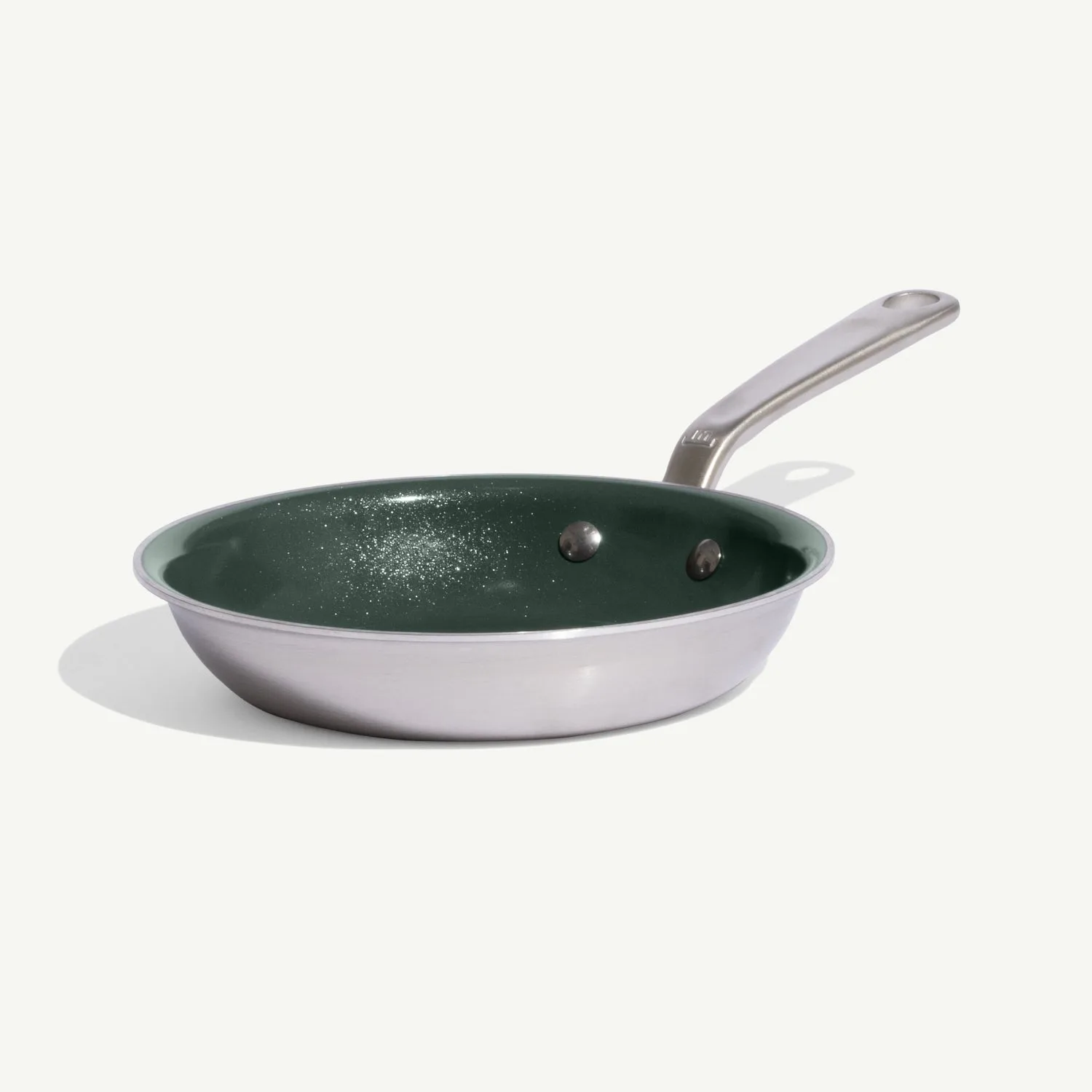
Enameled cast iron is also non-reactive thanks to its glass-like coating, but the enamel can chip if dropped or subjected to thermal shock. For everyday versatility, stainless steel is more durable and easier to clean—many models are dishwasher-safe. If you’re looking for a pan that can double as a skillet for searing, the https://kindaero.store/products/stainless-clad-frying-pan-97145https://kindaero.store/products/stainless-clad-frying-pan-97212https://kindaero.store/products/stainless-clad-frying-pan-97213Stainless Clad Frying Pan offers similar benefits in a smaller form.
- Stainless steel is lighter, non-reactive, and often dishwasher-safe.
- Enameled cast iron is heavier but provides superior heat retention for long braises.
- Acidic braises (tomato-based sauces, wine-braised short ribs) work well in both, but stainless steel is slightly more forgiving.
Flavor Development: Searing and Deglazing
A great braise starts with a deep, caramelized sear on the meat. Both materials can achieve a good sear, but stainless steel has an edge when it comes to fond—the browned bits stuck to the pan. Stainless steel develops fond more readily, and it’s easy to deglaze with wine or broth to create a rich, flavorful base. The heat responsiveness of stainless steel also helps prevent burning during deglazing.
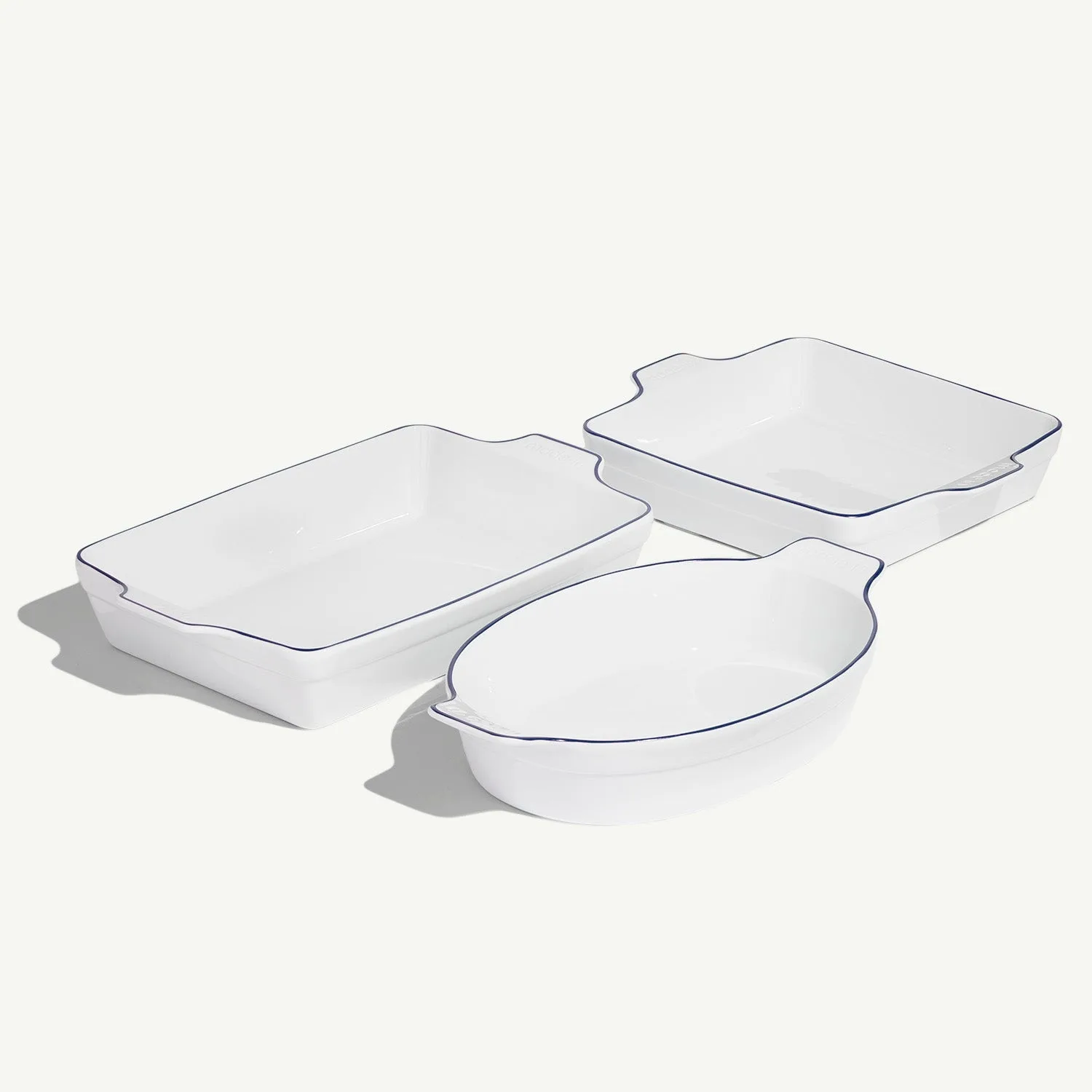
Enameled cast iron can sear well, but the surface is smoother, so fond development is slightly less pronounced. That said, its even heat ensures that the meat browns uniformly without hot spots. For cooks who prioritize deep, complex flavors, the ability to build fond and deglaze efficiently makes stainless steel a strong contender. Pairing it with a quality sheet pan for roasting vegetables on the side can elevate your braising game.
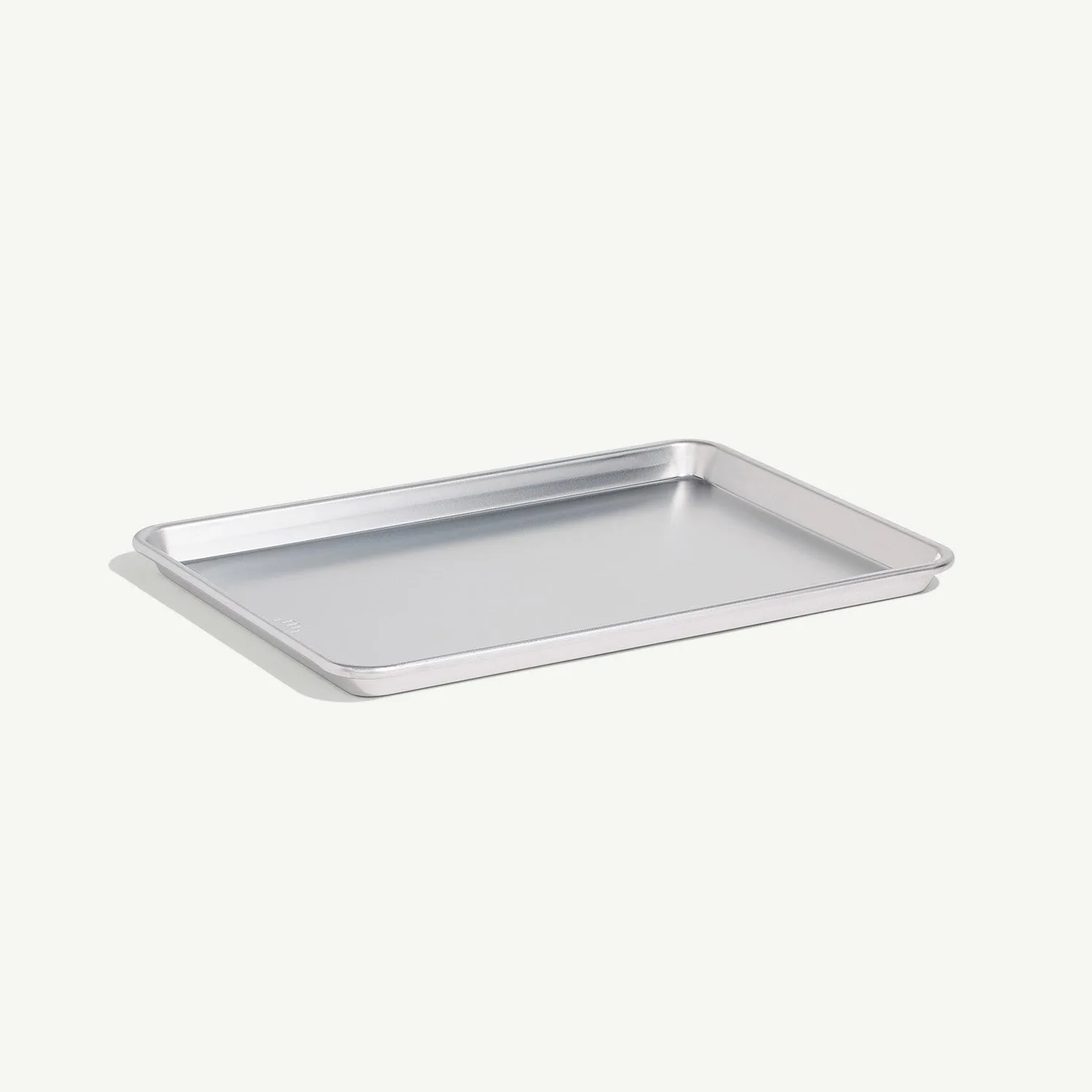
sheet pan
- Stainless steel excels at fond development and deglazing for richer sauces.
- Enameled cast iron provides even browning but may produce less fond.
- Use a wooden or silicone spatula to avoid scratching enameled surfaces.
Maintenance and Longevity
Stainless steel is nearly indestructible. It won’t chip, crack, or rust, and it can handle metal utensils, high heat, and even the occasional drop. Cleaning is straightforward—most stains can be removed with a stainless steel cleaner or a paste of baking soda and water. For everyday use, stainless steel requires less babying.
Enameled cast iron needs more care. The enamel coating can chip if knocked against a hard surface or subjected to rapid temperature changes. You should avoid metal utensils and abrasive cleaners. However, with proper care, an enameled cast iron Dutch oven can last for decades. If you’re looking for a low-maintenance option that still delivers great braising results, stainless steel is the more practical choice.
- Stainless steel is dishwasher-safe, scratch-resistant, and virtually unbreakable.
- Enameled cast iron requires hand washing, gentle utensils, and careful storage to avoid chipping.
- Consider Pan Protectors to keep your cookware stack safe from scratches and dents.
Which Dutch Oven Should You Choose?
If you love traditional, slow-simmered braises and don’t mind the weight, an enameled cast iron Dutch oven is a classic choice that delivers consistent results. It’s ideal for recipes like coq au vin, osso buco, or pot roast where you want to set the heat and forget it.
If you prefer a lighter, more responsive pot that can handle a wider range of cooking techniques—from searing and deglazing to simmering and even deep frying—a stainless steel Dutch oven is the more versatile option. It’s also easier to clean and more durable for everyday use. For those who want the best of both worlds, having one of each in your kitchen is the ultimate setup.
- Choose enameled cast iron for traditional, low-and-slow braising with minimal intervention.
- Choose stainless steel for versatility, quick temperature changes, and easy cleanup.
- Both materials produce exceptional braised dishes—the best Dutch oven is the one that fits your cooking style.
Whichever material you choose, investing in a high-quality Dutch oven will transform your braising game. For a lightweight, durable option that excels at searing and deglazing, explore the Stainless Clad Frying Pan—a versatile piece that pairs perfectly with any Dutch oven in your collection.