Back pain is one of the most common complaints among desk workers, with prolonged sitting often cited as a major contributor. Whether you experience a dull ache in your lower back or sharp discomfort after hours at your desk, the way you work can directly affect your spinal health. Fortunately, switching to a standing desk offers a practical, research-backed solution for back pain relief.
Standing desks allow you to alternate between sitting and standing throughout the day, reducing the static load on your spine and encouraging better posture. In this article, we’ll explore how a standing desk can alleviate back pain, what features to look for, and how to integrate it into your daily routine for maximum benefit.
How Sitting Contributes to Back Pain
Sitting for long periods places excessive pressure on your lumbar discs, tightens hip flexors, and weakens the muscles that support your spine. Over time, this can lead to chronic lower back pain and poor posture. Even if you sit with good intentions, the natural tendency is to slouch forward, rounding the shoulders and straining the neck.
Research shows that sitting increases disc pressure by up to 40% compared to standing. This constant compression can accelerate disc degeneration and cause nerve irritation. By introducing standing intervals, you give your spine a break from this sustained load, allowing muscles to re-engage and blood flow to improve.
- Alternate between sitting and standing every 30 to 60 minutes for best results.
- Use an anti-fatigue mat to reduce pressure on your feet and knees while standing.
Key Benefits of a Standing Desk for Back Pain Relief
Standing desks are not just a trend; they are a tool for active work. When you stand, your core muscles naturally activate to keep you upright, which strengthens the muscles that support your lower back. This can reduce the frequency and intensity of back pain episodes over time.
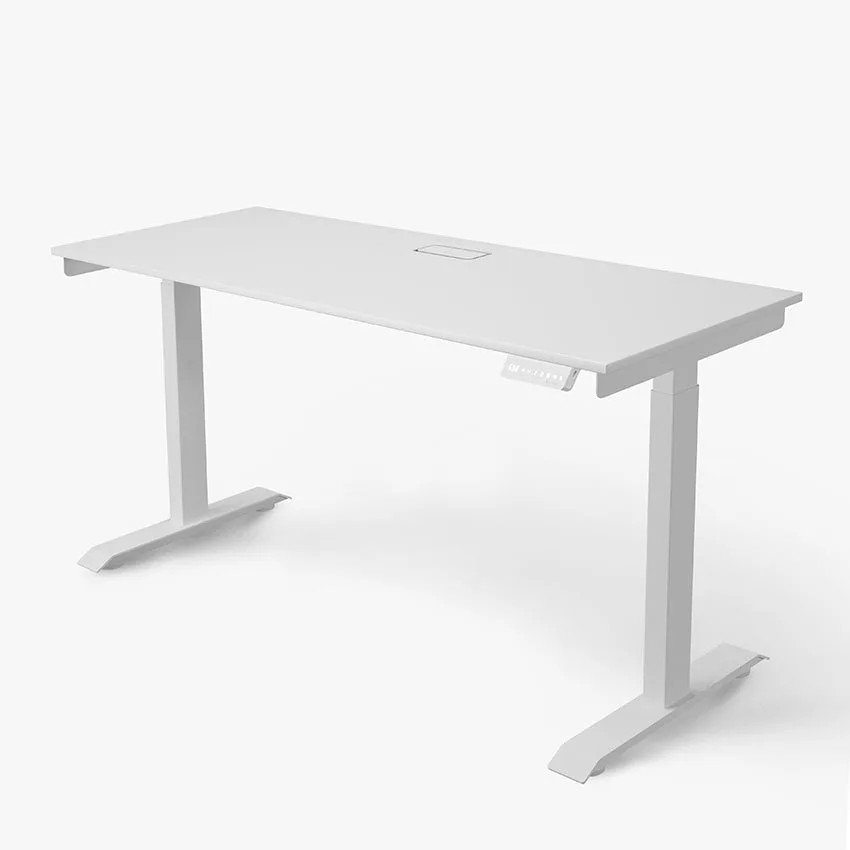
A standing desk also encourages better posture. When your screen is at eye level and your arms are at a 90-degree angle, your spine stays in a neutral position. For those who already suffer from back pain, the ability to adjust the desk height throughout the day is invaluable. Products like the Switch Pro offer smooth electric height adjustment, making transitions effortless and encouraging regular movement.
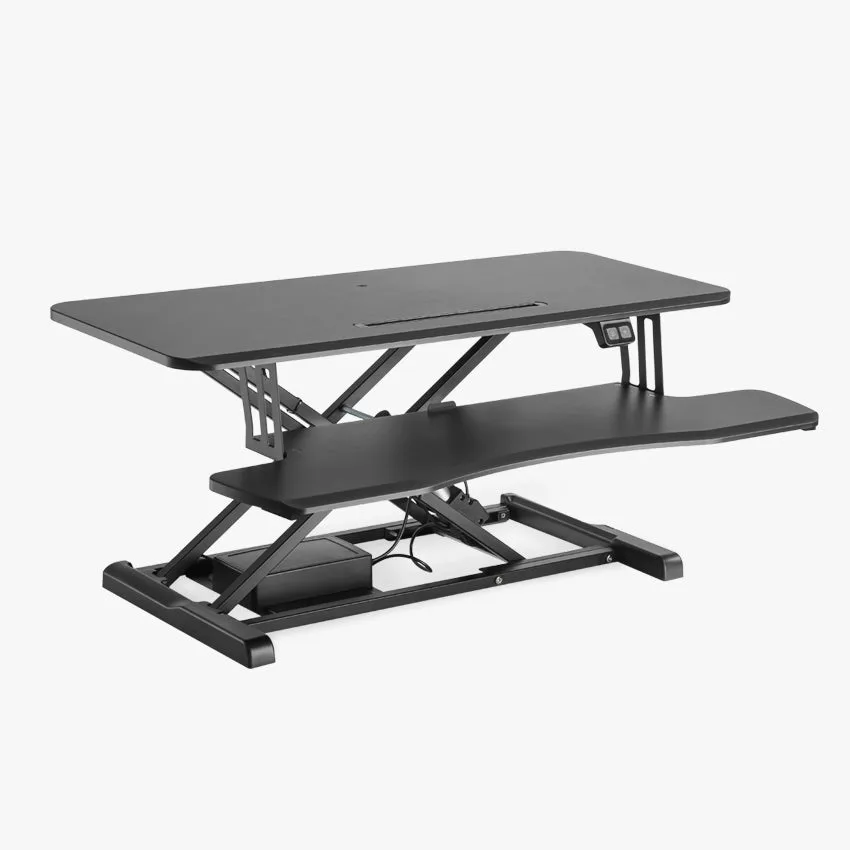
Switch Pro
- Standing desks with memory presets let you save your ideal sitting and standing heights.
- Pair your desk with an ergonomic chair like the HÅG Capisco 8106 - Mosaic to maintain comfort when sitting.
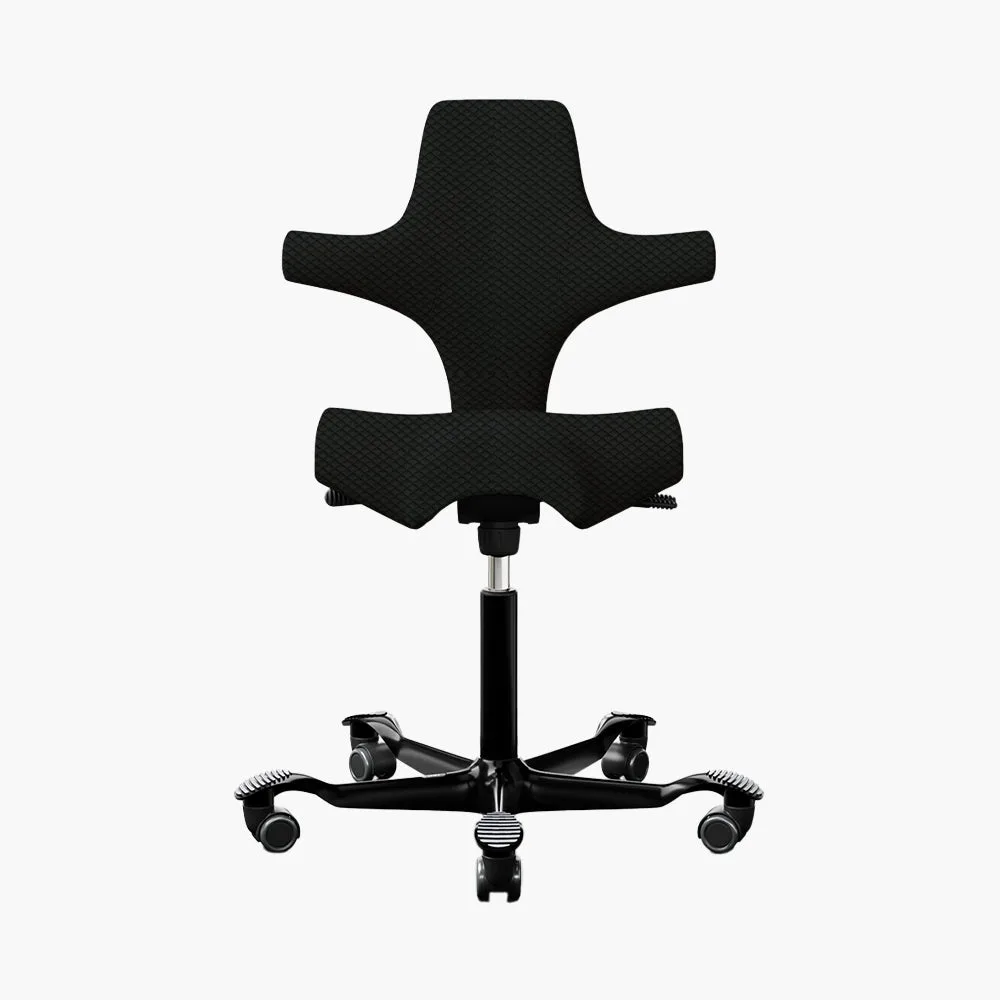
HÅG Capisco 8106 - Mosaic
What to Look for in an Ergonomic Standing Desk
Not all standing desks are created equal. For back pain relief, you need a desk that offers smooth, quiet height adjustment, a stable frame, and enough surface area for your monitor, keyboard, and accessories. A wobbly desk can actually worsen posture as you subconsciously brace yourself against instability.
Look for a desk with a wide height range so it can accommodate both sitting and standing positions for users of different heights. The classic-ergo-curve-157740">Classic Ergo Curve is a popular choice for its sturdy construction and ergonomic curved design that brings your workspace closer to you. Also consider cable management features to keep your setup clean and distraction-free.
- Ensure the desk can lower to at least 28 inches for comfortable sitting.
- Check the weight capacity if you plan to mount monitors or heavy equipment.
Tips for Transitioning to a Standing Desk Without Worsening Back Pain
If you're new to standing while working, start slowly. Begin with 15 to 20 minutes of standing per hour and gradually increase the duration as your body adapts. Listen to your body — if you feel pain, sit down and adjust your posture.
Invest in supportive footwear or an anti-fatigue mat to reduce strain on your legs and lower back. Keep your monitor at eye level and your keyboard at elbow height. A small footrest can also help shift your weight and reduce pressure on your lumbar spine.
- Use a timer or smart reminder app to prompt you to change positions.
- Stretch gently every hour — focus on hip flexors, hamstrings, and lower back.
Switching to a standing desk is one of the most effective changes you can make for your back health. By combining frequent position changes with proper ergonomic setup, you can reduce pain, improve posture, and work more comfortably. Explore the Switch Pro to experience smooth height transitions and start your journey toward a pain-free workday.