Quick answer
To start a tarot practice, get a beginner-friendly tarot card deck, learn the card meanings gradually, and commit to a simple daily draw ritual.
Why a dedicated deck matters for beginners
A dedicated tarot card deck helps you build a personal connection with the cards. When you use the same deck every day, the imagery and symbolism become familiar, making interpretations more intuitive over time.
The Mindful Souls Tarot Deck is designed with beginners in mind. It includes a full 78-card set and a guidebook that explains each card's meaning, so you don't have to memorize everything at once.
Common pitfalls when starting out
Many beginners try to learn all 78 card meanings before doing any readings. This leads to overwhelm and discouragement. Instead, start with just the Major Arcana (22 cards) and add the rest as you gain confidence.
Another mistake is expecting immediate clarity. Tarot is a practice of reflection, not fortune-telling. Give yourself permission to be uncertain and revisit the same card on different days.
How to start your tarot practice in 5 steps
- Step 1: Choose your deck and create a sacred space: Select a tarot card deck that resonates with you. Find a quiet, clutter-free spot where you won't be interrupted. Light a candle or place a crystal nearby if that helps you focus. Your space doesn't need to be elaborate; consistency matters more than aesthetics.
- Step 2: Set your intention before each reading: Hold the deck in your hands, take three deep breaths, and silently or aloud state your intention. For example: 'I am open to receiving guidance about my day ahead.' Avoid asking yes/no questions at first. A clear intention prevents vague readings. If you feel stuck, use a question like 'What do I need to know today?'
- Step 3: Start with a one-card daily draw: Shuffle the deck while focusing on your intention. Draw one card from the top. Look at the image and read its meaning in the guidebook. Write down your first impression, even if it seems unrelated. One card is enough for the first month. Adding more cards too soon can create confusion.
- Step 4: Journal your readings and patterns: After each daily draw, note the card name, date, your initial reaction, and how the card's message showed up during the day. Over time, you'll notice recurring cards and themes. Journaling builds your personal card vocabulary. Skip this step and you'll lose the learning momentum.
- Step 5: Gradually expand to three-card spreads: Once you feel comfortable with daily draws, try a simple past-present-future spread. Place three cards left to right. Interpret each position separately before looking for a story that connects them. If a spread feels confusing, return to one-card draws for a few days. There's no rush to move on.
Product spotlight
-
Tarot Card Deck: The Mindful Souls Tarot Deck features 78 beautifully illustrated cards and an insightful guidebook to help you make tarot reading a truly personal experience. Having both the cards and guidebook in one set removes the need to search for meanings elsewhere, so you can focus on building your daily tarot habit.
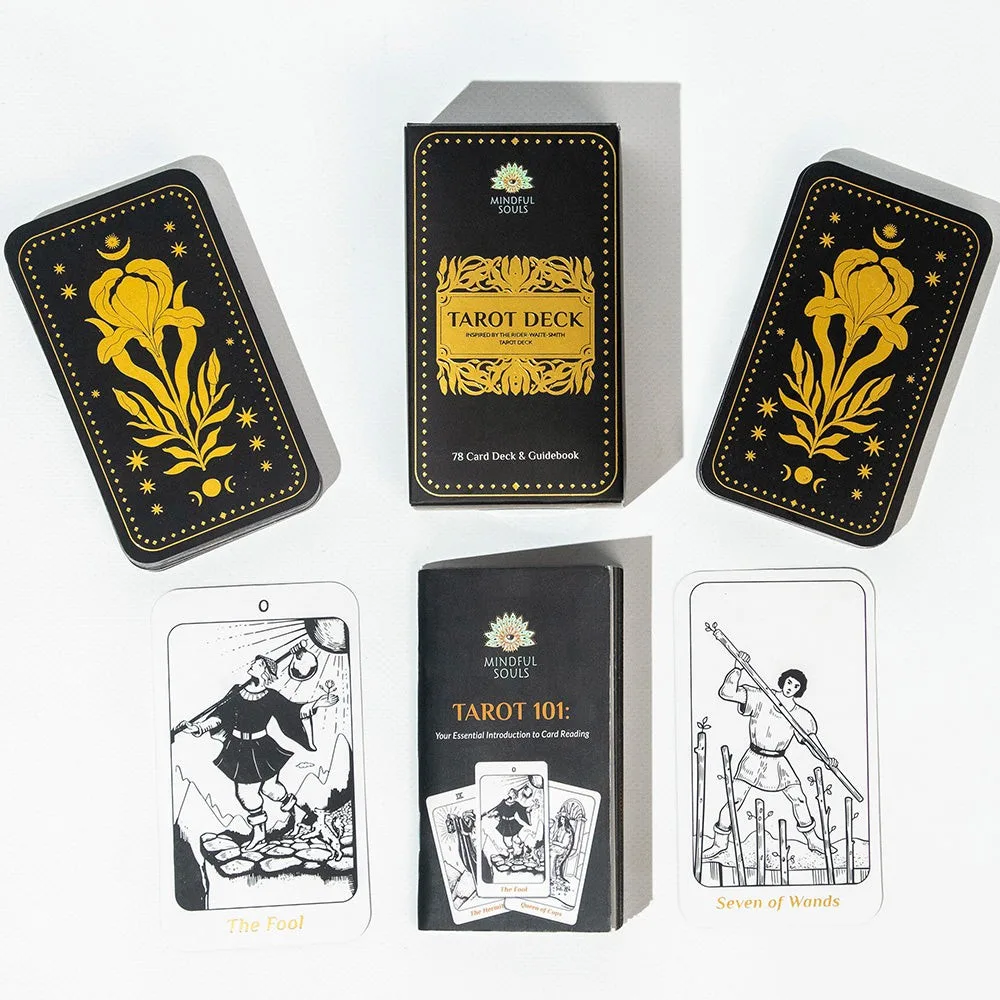
Tarot Card Deck