Quick Answer
Rust on your Staub cocotte is usually caused by moisture exposure or damage to the enamel coating. To fix it, gently scrub the affected area with a mild abrasive and re-season if necessary. For persistent rust or if the enamel is chipped, stop using the pot and consider replacing it.
Seeing rust on your beloved Staub cocotte can be alarming, but it's a common issue with a straightforward solution. Whether you've noticed small orange spots inside your pot or a larger area of corrosion, understanding the cause is the first step to restoring your cookware.
Staub cocottes are made of cast iron with an enamel coating, which is usually very durable. However, if the enamel is damaged or if the pot is not dried properly, rust can develop on exposed cast iron. In this guide, we'll walk you through identifying the type of rust, fixing it safely, and preventing it from coming back.
Identifying the Rust: Surface vs. Deep
Surface rust appears as a light orange dust that wipes away easily. This often happens when the pot is left wet or stored in a damp environment. In most cases, the enamel is intact, and the rust is on the interior cast iron that has lost its seasoning or on the rim where the enamel may be thin.
Deep rust, on the other hand, looks like pitting or flaking and may indicate that the enamel has chipped. This exposes the raw cast iron to moisture, leading to more significant corrosion. If you see dark pits or if the rust recurs after cleaning, you may have a compromised enamel surface.
- Check the rim and interior for tiny chips or cracks.
- If rust appears in the same spot repeatedly, suspect enamel damage.
Step-by-Step Rust Removal
For surface rust, start by washing the pot with warm water and mild dish soap. Dry it thoroughly. Then, make a paste of baking soda and water or use a gentle abrasive like Bar Keepers Friend. Apply the paste with a soft sponge or cloth, scrubbing in circular motions. Rinse and dry completely.
If rust persists, you may need to use a fine steel wool (#0000) or a non-metallic scrub pad. Be cautious not to scratch the enamel. After removing the rust, rinse well and dry. To restore the protective layer, apply a thin coat of cooking oil to the affected area and heat the pot briefly on the stove.
- Always dry your cocotte immediately after washing.
- Avoid using harsh chemicals or metal brushes that can damage the enamel.
When to Stop and Consider Replacement
If you discover that the enamel has chipped or cracked, do not attempt to repair it yourself. Using a pot with damaged enamel can lead to further corrosion and may even release harmful particles into your food. At this point, it's safer to stop using the pot and consider replacing it.
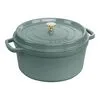
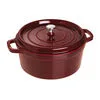
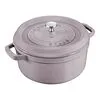
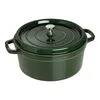
Staub offers a range of cocottes in various sizes and colors, so you can find a replacement that suits your cooking needs. For example, the Staub Cast Iron 5.5 qt Round Dutch Oven is a popular choice for family meals, while the Mini Cocotte is perfect for individual portions or serving sides.
Preventing Future Rust
To keep your Staub cocotte rust-free, always dry it thoroughly after washing. You can place it on a low flame for a minute to evaporate any remaining moisture. Store it in a dry place with the lid slightly ajar to allow air circulation.
Season the interior occasionally by rubbing a thin layer of oil over the surface and heating it until it smokes. This helps maintain the non-stick surface and protects against rust. Also, avoid using metal utensils that can scratch the enamel.
- Use a paper towel to wipe the interior after each wash to ensure no water spots remain.
- If you live in a humid climate, consider storing your cocotte with a silica gel packet inside.
Diagnosis and Action Plan
- Symptom: Orange or brown spots on the interior or rim of your cocotte. Check if the spots wipe off easily with a dry cloth.
- Likely Cause: Moisture left on the surface or a minor scratch in the enamel. If the enamel is intact, you can proceed with cleaning.
- Corrective Action: Clean with a mild abrasive, dry thoroughly, and season with oil. If rust persists after two attempts, stop and inspect for enamel damage.
- Stop or Replace: If you see chips, cracks, or pitting, do not use the pot; replace it. Consider a new Staub cocotte from our selection.
Staub Cocotte Options
- https://glasslockers.com/products/buy-staub-cast-iron-cocotte-336389https://glasslockers.com/products/buy-staub-cast-iron-cocotte-336423https://glasslockers.com/products/buy-staub-cast-iron-cocotte-336424https://glasslockers.com/products/buy-staub-cast-iron-cocotte-336431Buy Staub Cast Iron Cocotte: Staub Cast Iron 5.5 qt, Round, Dutch Oven, Sesame A 5.5 qt cocotte is ideal for large batches and roasts, and its enameled interior resists rust when cared for properly.
- Buy Staub Cast Iron Mini cocotte: Staub Cast Iron 0.25 qt, Mini Round Dutch Oven, Cherry Perfect for individual servings or as a serving piece, the mini cocotte is a great way to test Staub's craftsmanship.
Rust on your Staub cocotte is often a fixable issue if caught early. By following the steps above and maintaining proper drying and seasoning habits, you can enjoy your Dutch oven for years. If the enamel is damaged, don't risk it—invest in a new cocotte and continue creating delicious meals.