Quick answer
A Staub magnetic trivet grips the base of cast iron cookware so the pot stays put while you serve, which makes it the better choice for tables you want to protect from sliding heat. A standard trivet is simpler and cheaper, but it only works if the pot sits squarely on it. If you regularly move hot pans to the table, choose the magnetic option.
How each trivet handles heat and grip
Both trivets create an air gap between hot cookware and your table, so the core job is the same. The difference is what happens when the pot moves. A standard trivet relies on the pot's weight and a flat surface to stay in place; nudge the handle and the pot can shift off the trivet. A magnetic trivet uses magnets to hold the base of the cookware, so the trivet travels with the pot instead of staying behind.
That grip matters most with heavy cast iron, where a small slide can mean a scratched table or a spill. The trade-off is that a magnetic trivet only works with cookware that the magnet can hold, which generally means cast iron. For glass, ceramic or stainless steel, you still need a standard trivet.
Fit and sizing: what to check before you buy
Match the trivet to the base of the cookware you use most, not the rim. A 9-inch round magnetic trivet is sized for common cast iron bases, while a 9.5-inch glass domed lid is a separate accessory for covering cookware, not a trivet. If your pots vary in size, measure the flat base diameter first.
For oval or mini bakers, a round trivet may overhang or leave corners unsupported. In that case a standard trivet with a larger flat surface can be the safer pick, or you can serve directly on a heat-safe board.
When a standard trivet is the smarter pick
If you serve from stainless steel, enameled stoneware or glass, a standard trivet is the practical choice because magnets will not hold those materials. Standard trivets also cost less and pack flat, which helps if you store several. The trade-off is that you must set the pot down carefully every time.
For very large roasting pans that extend past the trivet edge, a standard trivet with a wider footprint gives more stable support than a magnetic disc sized for a smaller base.
Trade-offs at a glance
- Grip and stability: Magnetic trivets hold cast iron bases in place; standard trivets rely on weight and a flat surface. Choose magnetic if you often move hot cast iron to the table.
- Material compatibility: Magnetic trivets need a magnetic base, which generally means cast iron; standard trivets work with any hot vessel. Keep a standard trivet on hand for stainless steel, glass or ceramic.
- Cost and storage: Standard trivets usually cost less and store flat; magnetic trivets cost more and are thicker. If budget or drawer space is tight, a standard trivet is the simpler buy.
Product facts
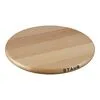
- Buy Staub Cast Iron - Accessories Trivet magnetic: Staub Cast Iron - Accessories 9-inch, Round, Magnetic Wood Trivet, Brown A 9-inch round magnetic wood trivet grips cast iron bases so the pot stays put while serving, which is the main advantage over a standard trivet.
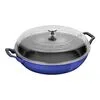
- Buy Staub Cast Iron Saute pan with glass lid: Staub Cast Iron 3.5 qt, Braiser With Glass Lid, Blueberry A 3.5 qt braiser is heavy enough that a magnetic trivet reduces sliding, but check that the base fits the 9-inch trivet before relying on the magnet.
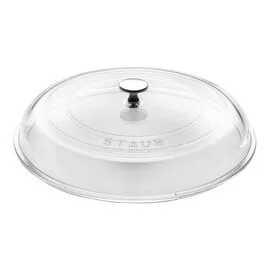
- Buy Staub Cast Iron - Accessories Lid domed: Staub Cast Iron - Accessories 9.5-inch Glass Domed Lid This domed lid is a cover, not a trivet, so it does not replace table protection; pair it with a trivet when you bring the pot to the table.
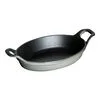
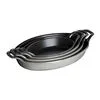
- Buy Staub Cast Iron Oven dish: Staub Cast Iron 6-inch, Oval, Mini Gratin Baking Dish, Graphite Grey A 6-inch oval mini gratin is smaller than a 9-inch round trivet, so a standard trivet or a heat-safe board may give more even support than a magnetic disc.
Which trivet fits your kitchen
Best for
- Home cooks who serve Staub cast iron directly from the stove and want the pot to stay put
- Tables that need protection from heavy, sliding cast iron bases
Not for
- Cookware with non-magnetic bases such as glass, ceramic or stainless steel
- Very large roasting pans that extend beyond a 9-inch round trivet