When it comes to enjoying a perfectly cooked steak, the knife you use matters just as much as the cut of meat. A dull or poorly designed steak knife can turn a tender ribeye into a frustrating, jagged mess. That’s why choosing between straight edge and serrated https://kindaero.store/products/steak-knives-97240https://kindaero.store/products/steak-knives-97296https://kindaero.store/products/steak-knives-97297steak knives is a decision every home cook should make with care.
In this steak knife showdown, we’ll compare straight edge vs. serrated blades across several key factors: cutting performance, sharpness retention, ease of maintenance, and overall dining experience. By the end, you’ll know exactly which style belongs in your knife block.
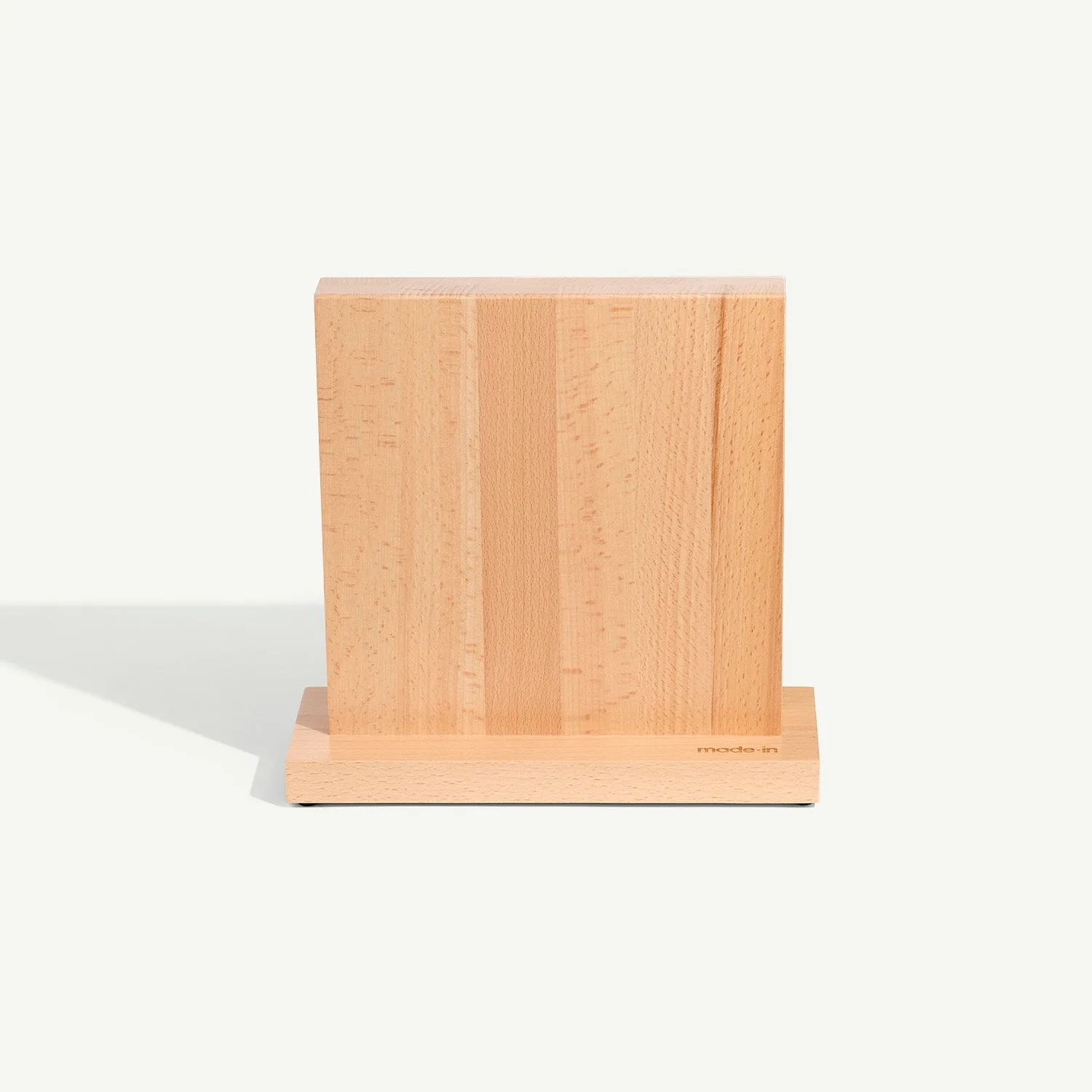
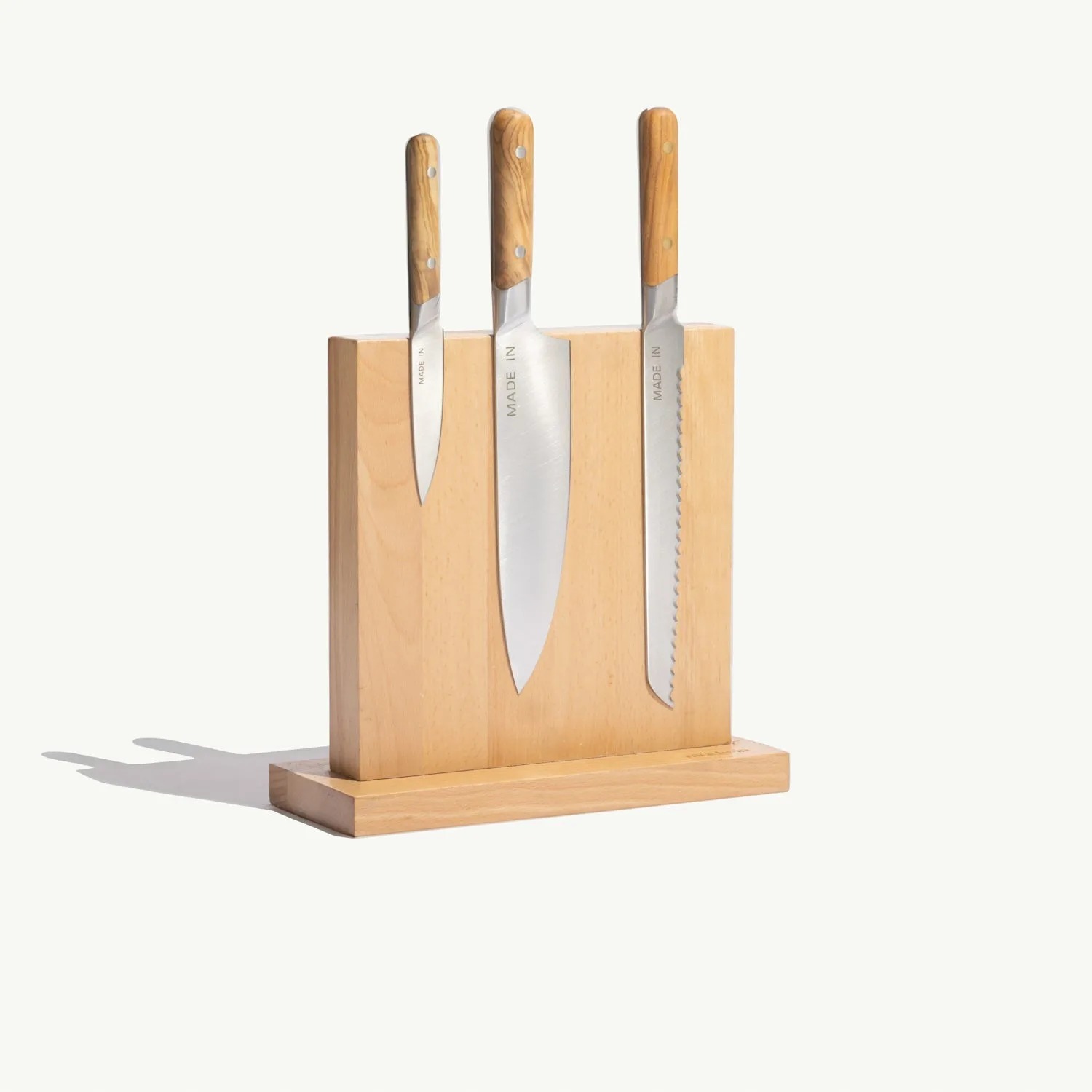
knife block
Straight Edge Steak Knives: Precision and Elegance
Straight edge steak knives feature a smooth, unbroken blade that cuts through meat with a clean, precise slice. These knives are typically made from high-carbon stainless steel and are sharpened to a fine, razor-like edge. The result is a cut that glides through steak fibers without tearing or shredding, preserving the texture and juices of the meat.
One of the standout benefits of a straight edge is its versatility. Beyond steak, these knives excel at slicing roasted chicken, pork loin, or even ripe tomatoes. They also offer a more refined dining experience, as the smooth blade leaves a polished surface on each slice. However, straight edges require regular honing and occasional sharpening to maintain peak performance. If you’re willing to invest a few minutes of maintenance each month, a straight edge steak knife can deliver years of exceptional cuts.
- Produces the cleanest, most precise cuts with minimal tearing
- Versatile for slicing a wide range of proteins and vegetables
- Requires periodic sharpening to maintain its edge
- Offers a more elegant, professional look on the table
Serrated Steak Knives: Tough and Low Maintenance
Serrated steak knives are defined by their scalloped, saw-like edge. This design allows the knife to grip and cut through tough crusts, gristle, and even bone with ease. The serrations work like tiny teeth, grabbing the meat and slicing through without needing a razor-sharp edge. That’s why serrated knives are often the default choice in restaurants and for outdoor grilling.
The biggest advantage of a serrated blade is its low maintenance. Because the cutting action relies on the serrations rather than a fine edge, these knives stay effective for much longer without sharpening. They are also more forgiving on delicate non-stick surfaces and won’t scratch your best dinner plates. On the downside, serrated knives tend to leave a slightly rougher cut surface, which can cause more juice loss. They are also harder to sharpen at home and are best used specifically for steak and bread.
- Excellent for cutting through tough crusts, gristle, and bone
- Requires very little maintenance – stays sharp for months
- Leaves a slightly rougher cut compared to straight edge
- Difficult to sharpen at home; often replaced rather than resharpened
Cutting Performance: Which Blade Gives You the Cleanest Slice?
When it comes to pure cutting performance on a tender steak, the straight edge wins hands down. A well-sharpened straight edge knife will glide through medium-rare filet mignon or New York strip with almost no resistance, leaving a mirror-smooth surface on each slice. This preserves the meat’s natural juices and creates a more satisfying dining experience.
However, serrated knives have their own superpower: they excel on crusty, well-seared steaks or cuts with a lot of connective tissue. If you love a thick, charred ribeye or a flank steak with a peppery crust, a serrated blade will bite into that crust without squishing the meat underneath. For most home cooks, owning at least one high-quality serrated steak knife is a smart backup for those tougher cuts. Ultimately, the best choice depends on your typical steak preparation and personal preference.
- Straight edge: best for tender, lean steaks and clean presentation
- Serrated: best for crusty, well-seared, or tougher cuts of meat
- Both: a versatile set should include at least one of each
Maintenance and Longevity: Straight Edge vs. Serrated
Straight edge steak knives demand a bit more TLC. To keep them performing at their best, you should hone them with a steel before each use and sharpen them with a whetstone or electric sharpener every few months. The payoff is a knife that can last a lifetime if cared for properly. Many premium straight edge knives, like those found in high-end steak knife sets, are made from durable stainless steel that resists corrosion and holds an edge well.
Serrated knives, by contrast, are nearly maintenance-free. You can use them for months or even years without any sharpening. When they do eventually dull, most home cooks simply replace them rather than attempt to sharpen the scalloped edge. This makes serrated knives a more convenient choice for busy households or for those who prefer a low-maintenance kitchen. However, because they are harder to sharpen, their lifespan is often shorter than a well-maintained straight edge.
- Straight edge: requires honing and periodic sharpening but lasts for decades
- Serrated: low maintenance but may need replacement after a few years
- Invest in a quality set to ensure long-term performance
The Perfect Steak Knife Set for Your Home Kitchen
So which should you choose? The answer is: both. A well-rounded steak knife collection gives you the flexibility to match the blade to the meal. For elegant dinner parties where presentation matters, reach for a straight edge. For casual backyard barbecues or when serving a thick, crusty steak, a serrated knife is your best friend.
If you’re building your set from scratch, start with a high-quality straight edge knife for everyday use. Then add a serrated option for those times when you need extra bite. Many home chefs also appreciate a versatile carving knife for larger roasts or holiday meals. And to keep your blades in top shape, consider a pan protector set to store them safely in your drawer.
- Start with a straight edge for everyday steak dinners
- Add a serrated knife for crusty, well-seared cuts
- Store knives properly with a pan protector set to maintain edges
Whether you prefer the precision of a straight edge or the rugged convenience of a serrated blade, the best steak knife is the one that feels right in your hand and matches your cooking style. For a premium straight edge option that combines elegance with enduring sharpness, explore the Carving Set from Made In – it’s built to elevate every meal, from weeknight steaks to holiday roasts.