Tile floors are a popular choice for kitchens, bathrooms, and entryways because of their durability and easy-to-clean surface. But keeping tile floors truly spotless—especially the grout lines—can be a challenge. When it comes to cleaning tile, two popular tools often come up: steam mops and all-in-one multi-surface cleaners. Both promise a deep, chemical-free clean, but they work in very different ways.
In this guide, we’ll compare steam mops and all-in-one cleaners for tile floors, breaking down their strengths, limitations, and best use cases. Whether you’re dealing with sticky kitchen spills, bathroom grime, or pet messes, understanding the differences will help you choose the best cleaner for tile in your home.
How Steam Mops Work on Tile Floors
Steam mops use heated water to produce steam that loosens dirt, grease, and grime from hard surfaces. They typically have a water tank, a heating element, and a microfiber pad that absorbs the loosened dirt. The high temperature of the steam—often above 200°F—can kill bacteria and germs without the need for chemical cleaners, making them a favorite for households seeking a non-toxic cleaning method.
On tile floors, steam mops excel at removing surface-level dirt and sticky residues. The steam helps soften dried-on food or spills, and the microfiber pad traps the debris. However, steam mops are not designed to vacuum or pick up large debris, so you’ll need to sweep or vacuum the floor first. They also can’t handle deep grout cleaning because the steam doesn’t penetrate porous grout lines effectively. For routine maintenance on sealed tile, a steam mop is quick and effective.
- Best for: routine cleaning of sealed tile, removing sticky spills, sanitizing without chemicals
- Limitations: requires pre-sweeping, not effective on unsealed grout, can damage some tile types if used excessively
How All-in-One Multi-Surface Cleaners Work on Tile
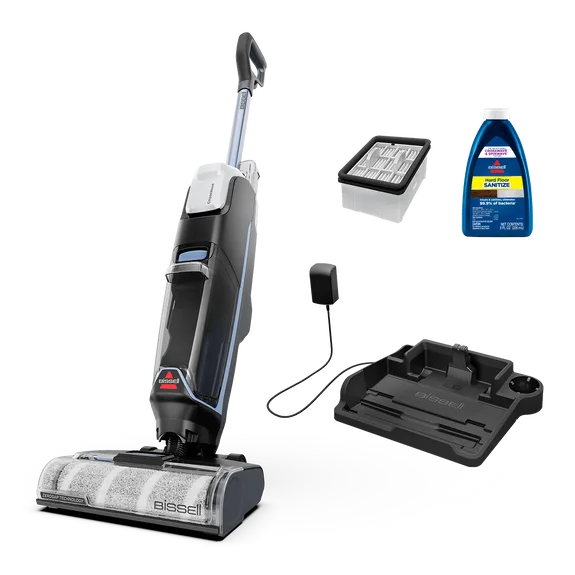
All-in-one multi-surface cleaners, like the CrossWave Edge Cordless All-in-One Multi-Surface Cleaner, combine vacuuming, washing, and drying in a single pass. These machines use a water-and-formula solution to scrub the floor while simultaneously vacuuming up dirty water. The result is a floor that’s both washed and dried quickly, with no need to pre-sweep or rinse.
For tile floors, all-in-one cleaners are particularly effective because they can handle both surface dirt and grout lines. The scrubbing action—often with a brush roll—works dirt out of grout grooves, while the suction removes the dirty solution. Many all-in-one cleaners also offer washable formula tanks and adjustable settings for different floor types. This makes them a versatile choice for homes with a mix of tile, hardwood, and area rugs.
- Best for: deep cleaning tile and grout, homes with multiple floor types, one-step cleaning
- Limitations: requires cleaning solution (formula), heavier than a steam mop, higher upfront cost
Key Differences: Steam Mop vs All-in-One Cleaner for Tile
When choosing between a steam mop and an all-in-one cleaner for tile floors, consider these key factors. First, cleaning method: steam mops rely on heat and moisture, while all-in-one cleaners use a scrubbing brush and suction. Second, preparation time: steam mops require you to sweep or vacuum first, whereas all-in-one cleaners handle debris and liquid in one step. Third, grout cleaning: all-in-one cleaners generally do a better job on grout because of the brush roll action.
Another important difference is floor safety. Steam mops can damage unsealed tile or grout over time because the moisture can seep into cracks. All-in-one cleaners use controlled amounts of water and solution, reducing the risk of water damage. Additionally, all-in-one models like the CrossWave Edge Cordless All-in-One Multi-Surface Cleaner offer cordless convenience and can transition from tile to area rugs without changing attachments, making them more versatile for whole-home cleaning.
- Steam mop: best for quick, chemical-free sanitizing of sealed tile
- All-in-one cleaner: best for deep cleaning, grout, and multi-surface homes
Which Should You Choose for Your Tile Floors?
Your choice ultimately depends on your cleaning needs and home setup. If you have large areas of sealed tile and want a quick, chemical-free sanitizing routine, a steam mop like the PowerFresh Vac & Steam All-in-One Vacuum and Steam Mop can be a great option—it combines vacuuming and steaming in one tool, saving you a step. However, if your tile floors have visible grout lines that collect dirt, or if you have a mix of tile and other flooring types, an all-in-one cleaner is likely the better investment.
For most households, an all-in-one multi-surface cleaner offers the best balance of convenience and cleaning power. It eliminates the need to pre-sweep, tackles grout effectively, and works on multiple surfaces. If you’re a pet owner or have kids, the ability to pick up wet and dry messes in one pass is especially valuable. The CrossWave Edge Cordless All-in-One Multi-Surface Cleaner is a top-rated choice that handles tile, hardwood, and low-pile carpets with ease.
- Choose a steam mop if: your tile is sealed, you want chemical-free cleaning, and you don’t mind pre-sweeping
- Choose an all-in-one cleaner if: you have grout, multiple floor types, or want a one-step deep clean
Whether you opt for a steam mop or an all-in-one cleaner, both tools can help you maintain beautiful tile floors. For a versatile, deep-cleaning solution that handles grout and multiple surfaces, consider the CrossWave Edge Cordless All-in-One Multi-Surface Cleaner. Explore it today to see how it can simplify your floor care routine.