How the Noose Material Affects Restraint
The noose is the part of a grooming restraint that actually contacts the pet. Its material directly influences how the animal feels during the groom and how much control you have. Two common options are steel cable and nylon. Each has distinct trade-offs in flexibility, grip, and comfort.
Steel cable nooses, like the Proguard Pet Flexible Steel Cable Grooming Noose, are built for durability and secure hold. Nylon nooses are softer and more forgiving but may stretch or slip over time. This guide compares them so you can match the noose to your pet's temperament and your grooming setup.
What the Proguard Steel Cable Noose Offers
-
Proguard Pet Flexible Steel Cable Grooming Noose-18".: The Proguard Pet Flexible Steel Cable Grooming Noose is designed with a flexible steel cable that securely fits around your pet, providing them with a comfortable and safe grooming experience. The 18" noose is perfect for all sizes of pets. The flexible steel cable gives a strong, non-stretch hold that keeps the pet in place without constant readjustment. The 18" length suits a wide range of body sizes, making it a versatile choice for a grooming table.
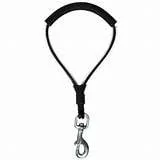
Proguard Pet Flexible Steel Cable Grooming Noose-18".
Steel Cable vs Nylon: Key Differences
- Material strength and stretch: Steel cable does not stretch, so the noose stays tight once set. Nylon can stretch under tension, which may cause the noose to loosen during grooming, requiring frequent retightening.
- Comfort on the pet: Nylon is softer against the coat and skin, which can be more comfortable for sensitive or nervous pets. Steel cable is still flexible but may feel firmer; however, the Proguard steel cable is designed for comfort and safety.
- Grip and control: Steel cable provides a more secure grip that resists slipping, even on short-coated or wet pets. Nylon can be less grippy, especially when wet, which may reduce control.
- Durability and lifespan: Steel cable resists chewing and wear better than nylon. A steel noose can last through many grooms, while nylon may fray or degrade over time, especially with frequent use.
When to Choose Steel Cable
Choose a steel cable noose like the Proguard when you need a consistent, non-stretch hold. It works well for pets that are strong, nervous, or prone to pulling away from the table. The firm grip helps you maintain control without constant adjustment, which is especially useful during baths or drying where the pet may move more.
Steel cable is also a good choice for high-traffic grooming salons where equipment durability matters. One noose can serve many pets of different sizes, reducing the need for multiple noose types.
When to Choose Nylon
Nylon nooses are a better fit for very small or delicate pets, or for pets with thin or sensitive skin where a softer contact is important. They are also quieter and less intimidating for pets that are new to grooming or have had negative experiences with restraint.
If you groom a lot of toy breeds, cats, or pets with very fine coats, a nylon noose may cause less stress. The trade-off is that you may need to check and retighten the noose more often during the groom.
What the Supplied Information Leaves Open
The supplied catalog details confirm the Proguard steel cable noose is flexible, comfortable, and fits all sizes, but they do not specify a maximum weight or neck size. For very large or very small pets, you should test the fit before relying on the noose for full restraint. Similarly, care and cleaning instructions are not provided; follow general guidelines for your grooming equipment to keep the noose in good condition.