Quick answer
Choose the steering wheel first, then match a hub adapter to your car's spline and year, and pick a seat only after measuring both your body and the cabin space you actually have. If the car is a daily driver, keep the factory airbag and three-point belt and treat any bucket seat as a comfort-and-hold upgrade, not a safety upgrade. If it is a dedicated track car, plan the seat, rail, and harness as one system before you spend anything.
Most steering wheel and seat purchases go wrong for the same reason: the buyer picks a part they like, then tries to make the car fit it. Fitment and safety work the other way around. You measure the car, measure yourself, decide how the car is used, and only then choose hardware.
This guide walks through the decisions that actually matter: hub adapter compatibility, seat rail fitment, bucket seat sizing, and the honest trade-offs between a factory interior and a track-focused one. It is written for enthusiasts doing their own research, not for race teams with fabricators on staff.
Start with the steering wheel, not the hub
The wheel sets your reach, grip, and driving position. A smaller diameter quickens steering response and gives taller drivers more knee room, but it also blocks more of the gauge cluster and can make low-speed maneuvering heavier. A flat-bottom wheel helps entry and exit in tight cars. Decide the shape and diameter you want first, because that choice determines which hub adapter and any spacer you need.
Once the wheel is chosen, the hub adapter becomes the compatibility part. It must match your car's steering column spline, the wheel's bolt pattern, and any factory features you want to keep, such as a horn or turn-signal cancel. Year and trim matter here; the same model can change columns across a generation. If a listing does not state the spline and application clearly, treat that as missing information, not as a universal fit.
- Measure your current wheel diameter and note it before shopping.
- Confirm the hub listing names your exact year, model, and trim.
- Decide up front whether you are keeping the horn and airbag.
The airbag question you cannot skip
Many aftermarket wheels delete the driver airbag. That is a real safety trade-off, not a cosmetic one. On a street car, removing a factory airbag can change how you are protected in a frontal impact, and it may affect local inspection or insurance requirements. If you are not prepared to accept that, keep the factory wheel or choose a wheel that retains the airbag.
There is no universal rule that makes an airbag-delete wheel safe for street use. The honest answer is that it shifts risk and depends on your car, your restraint system, and your local rules. If you are unsure, keep the factory airbag and focus on seats and seating position instead, which can improve comfort and control without that specific trade-off.
- Check your local inspection and insurance rules before deleting an airbag.
- If you keep the airbag, verify the wheel and hub support it.
- Never assume a hub adapter preserves airbag function unless it is stated.
Seat rail fitment: the part that decides everything
A seat is only as good as the rail and bracket that hold it. Aftermarket seat fitment starts with the rail: it must bolt to your car's floorpan at the factory points, position the seat at a usable height and angle, and match the seat's mounting width and bolt spacing. Rails are often vehicle-specific, so the same seat can fit one car easily and another only with custom brackets.
Height and tilt matter as much as bolt pattern. A rail that sits too high puts your head near the roof and your legs into the wheel. A rail with no tilt adjustment can leave you reaching. Before buying, confirm the rail lists your chassis and whether it keeps or deletes the factory slider. Sliders add convenience but also add height, which is the first thing to run out in a compact cabin.
- Confirm the rail is listed for your exact chassis, not just the brand.
- Check whether the rail keeps a slider or is fixed-position.
- Sit in the car and estimate headroom before committing.
Bucket seat sizing: measure yourself and the cabin
Bucket seat sizing is about two measurements: your body and your available space. Seat width is usually given at the hip and shoulder; a seat that is too narrow is uncomfortable within minutes, and one that is too wide lets you slide, which defeats the purpose. Measure your hip width across the widest point and compare it to the seat's stated dimensions, not to a size label.
Then check the cabin. Door cards, transmission tunnels, and center consoles limit how wide a seat can be before it rubs. If you plan to keep a three-point belt, the seat's harness slots and bolsters need to work with it. If you plan a harness, that is a system decision covered below. When a listing omits dimensions, ask before buying; guessing is how people end up with seats they cannot use.
- Measure hip and shoulder width and compare to stated seat dimensions.
- Check clearance to the door card, tunnel, and console.
- Confirm the seat works with the belt type you intend to run.
Harnesses, roll bars, and the system rule
A harness is not a standalone upgrade. In a fixed-back bucket seat, a harness holds your torso upright, and without a roll bar or cage, a rollover can trap you in that position. The common guidance is that fixed-back seats and harnesses belong with a roll bar, and that a harness should be mounted at the correct angles rather than to the floor or a random bar.
This is where a street car and a track car diverge. A street car with a reclining sport seat and the factory three-point belt keeps the factory safety logic intact. A track car with a fixed-back seat, harness, and roll bar is a package. Mixing half of one and half of the other is the riskiest configuration, so decide which path you are on before buying any of it.
- Treat fixed-back seat, harness, and roll bar as one decision.
- Do not mount harnesses to the floor or unrated points.
- If you keep the factory belt, keep the factory seat logic.
Budget and install reality
Budget for the parts you can see and the parts you cannot. A wheel needs a hub and sometimes a spacer or quick release. A seat needs a rail, sometimes a slider, and occasionally custom brackets. Labor and alignment time add up, especially if you are paying someone to fit brackets or modify trim. A cheap seat with a bad rail is worse than a good seat with a proper one.
Install difficulty varies. Steering wheel swaps are usually straightforward with the right hub and a torque wrench, but you must handle the airbag system carefully and disconnect the battery per the service procedure. Seat swaps range from four bolts to fabrication. Be honest about which end of that range your car falls into, and leave room in the budget for the parts that make the visible parts work.
- Add hub, spacer, rail, and slider costs before comparing prices.
- Budget for alignment or fabrication if brackets are needed.
- Disconnect the battery and follow the service procedure for airbag work.
Decision rules for steering wheel and seat upgrades
- Street car, factory safety retained: Keep the factory airbag wheel and three-point belts. Choose a reclining sport seat with a vehicle-specific rail that keeps the slider, and verify headroom and door-card clearance before buying. If the seat rubs or sits too high, change the rail, not the seat.
- Street car, aftermarket wheel wanted: Confirm the hub adapter matches your column spline and that you accept the airbag trade-off. Check local inspection and insurance rules first, and keep the horn and turn-signal cancel working if you can. No stated spline and application means no purchase.
- Track car with fixed-back seat: Plan the fixed-back seat, harness, and roll bar as one system. Use a rail rated for the seat and chassis, mount harnesses at the correct angles, and do not mix a harness with a factory seat or a fixed-back seat with only a three-point belt. Half a safety system is the riskiest setup.
- Budget check: Add hub, spacer, rail, slider, and possible fabrication to the visible part price. Compare total installed cost, not sticker price, and leave margin for alignment or trim work. If the total is a surprise, the plan is not finished.
Catalog examples that show how fitment is stated
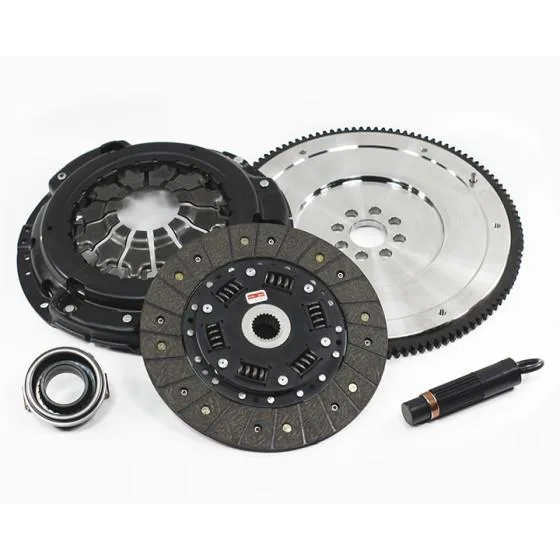
- Competition Clutch 2016-2021 Honda Civic 1.5T Clutch Upgrade Kit: Fits all 2016-2021 Honda Civic 1.5T (Manual Only), 2022+ Honda Civic 1.5T (Manual Only), 2018+ Honda Accord 1.5T (Manual Only), and 2023+ Acura Integra 1.5T (Manual Only), including Si, 6MT, RHD, and international models. It shows how a well-written listing states exact years, models, and drivetrain limits instead of claiming universal fit, which is the same standard you should expect from a hub adapter or seat rail.
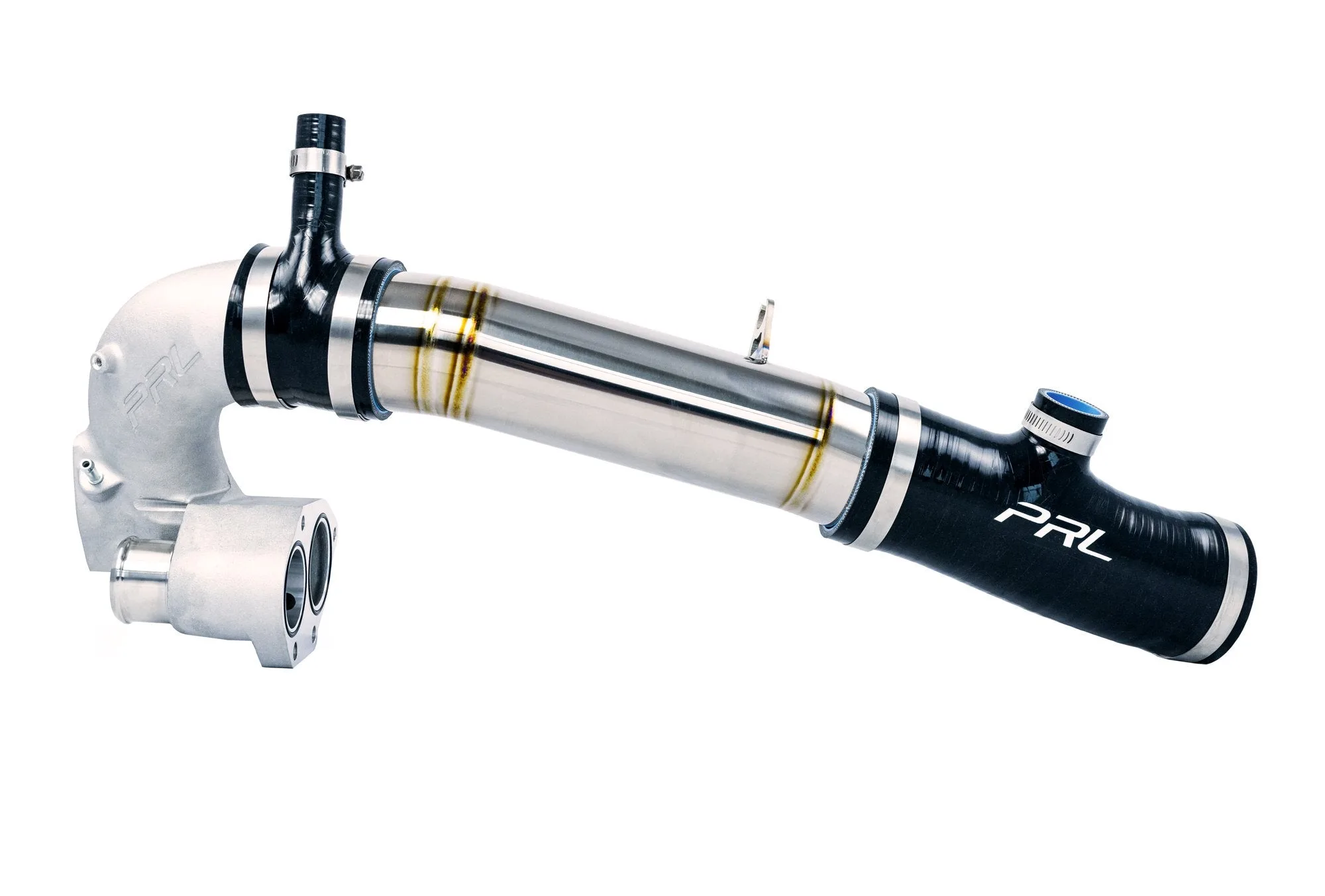
- 2016-2021 Honda Civic 1.5T Titanium Turbocharger Inlet Pipe Upgrade Kit: Fits all 2016-2021 Honda Civic 1.5T and 2017-2022 Honda CR-V 1.5T with OEM Civic inlet bracket PN 17288-5K8-000, and only pairs with the brand's Cobra Cold Air Intake or Short Ram Intake, not the stock airbox. It is a clear example of a part that fits only when the surrounding system matches, the same logic that applies when a seat rail must match a specific seat and chassis.
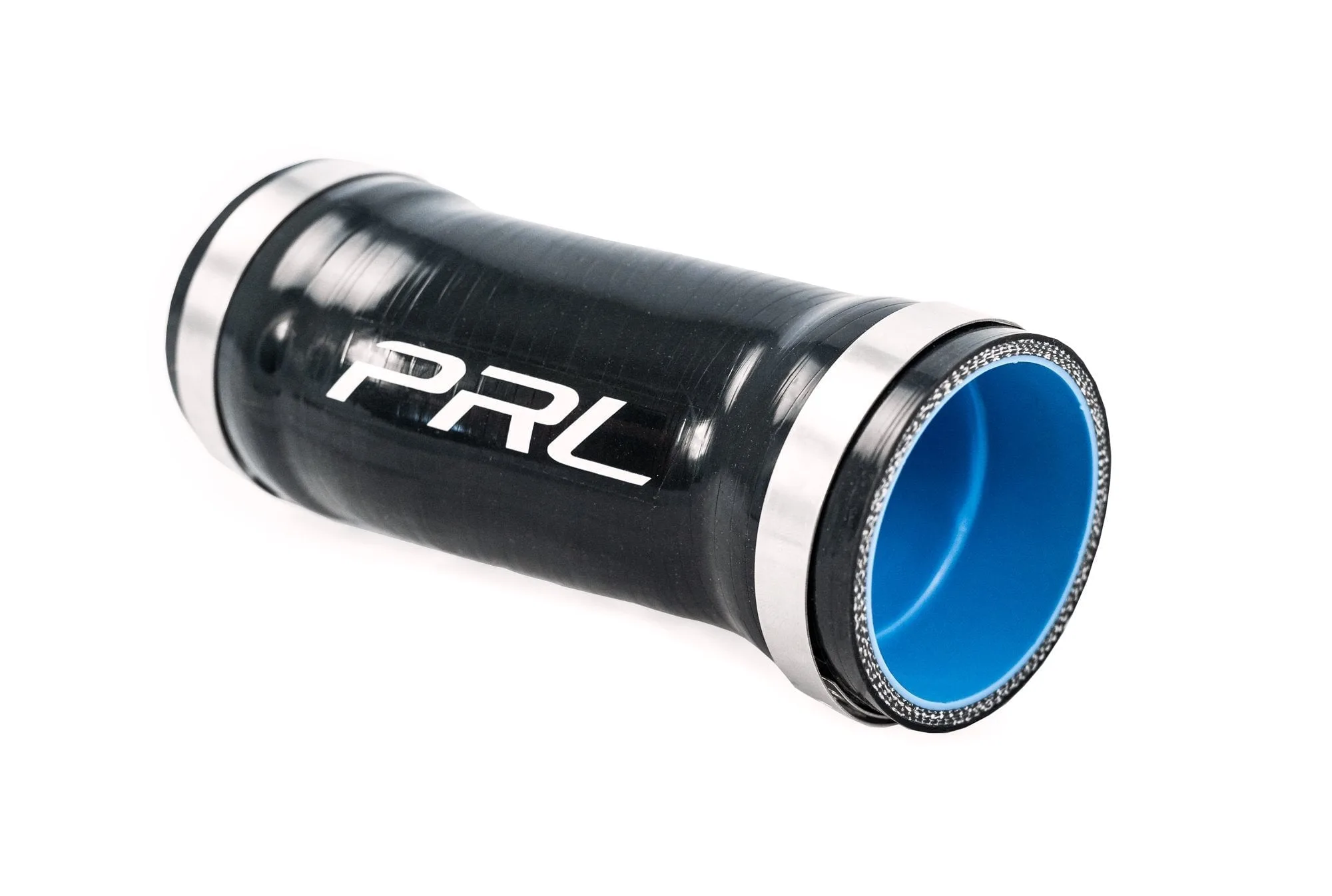
- 2023+ Honda Accord 1.5T Silicone Intake Hose Upgrade Kit: Fits all 2022+ Honda Civic 1.5T, 2023+ Honda Accord, and 2023+ Acura Integra 1.5T, including Si, CVT, 6MT, RHD, and international models, and requires no ECU calibration. It demonstrates a low-cost, no-tuning fitment where the listing tells you exactly what is covered and what is not, which is the kind of clarity you want before buying interior hardware.
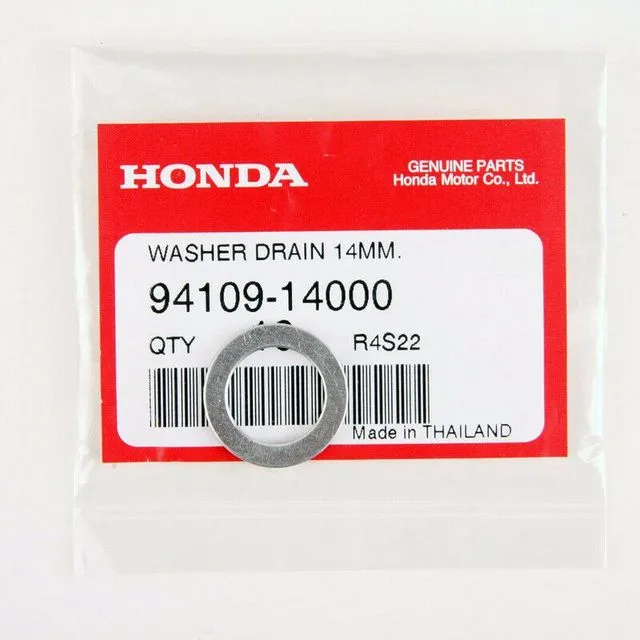
- Genuine Honda Oil Drain 14mm Plug Crush Washer: Genuine Honda part number 94109-14000, a 14mm oil drain plug crush washer listed under Oil & Filters / Oil System. It is a reminder that small, correctly specified parts matter, and that genuine part numbers remove guesswork, just as a stated spline or rail part number does for interior fitment.
Who should buy which setup
Best for
- Daily drivers who want better steering feel and seating comfort while keeping factory airbags and belts
- Enthusiasts who will confirm spline, rail, and chassis fitment before ordering and are willing to measure their own body and cabin
- Track-focused builds that will install a fixed-back seat, harness, and roll bar as a complete system
Not for
- Buyers who want a universal fit without checking year, model, trim, or spline
- Street cars where deleting the airbag is not acceptable and no airbag-compatible wheel is chosen
- Anyone planning a harness without a roll bar or a fixed-back seat with only a three-point belt
Pick the wheel and seat for how the car is actually used, then let fitment decide the hub, rail, and hardware. Measure before you buy, keep the factory safety system intact on a street car, and treat a track setup as one complete package. The parts that make the visible upgrade work are the ones worth getting right first.