The Feldgendarmarie, or German military police, were a distinctive and elite branch of the Wehrmacht during World War II. Known for their imposing presence and strict enforcement of discipline, they were easily identified by their iconic gorget and brassard. For reenactors seeking a unique and historically rich impression, the Feldgendarmarie offers a challenging but rewarding setup that stands out at events.
This step-by-step guide will walk you through the essential components of a WWII German Feldgendarmarie impression, from the uniform and insignia to equipment and accessories. Whether you are a beginner or a seasoned reenactor, you will find practical advice on sourcing authentic reproductions and building a complete, accurate kit that honors the history of these military police.
Understanding the Feldgendarmarie Role and History
The Feldgendarmarie were formed in 1939 as the military police of the German Army. They were responsible for maintaining order, controlling traffic, securing rear areas, and apprehending deserters. Their authority was symbolized by the gorget worn around the neck, which featured a large metal plate with the inscription 'Feldgendarmerie' and a national eagle. This gorget was not just decorative; it served as a badge of office and a tool for identification.
To accurately portray a Feldgendarm, you must understand their place within the German military structure. They were often attached to higher command units and operated in pairs or small squads. Their duties required them to be well-armed and equipped, as they frequently faced partisan threats and had to enforce discipline in combat zones. This historical context will guide your choices in uniform and gear.
- The gorget is the most recognizable piece of Feldgendarmarie equipment. Ensure you source a reproduction that matches the original design, with a silver or aluminum finish and proper engraving.
- Feldgendarmarie were typically issued the standard German Army uniform, but with specific insignia that set them apart.
The Uniform: Tunic and Trousers
The foundation of your impression is the standard German Army field uniform. For a typical late-war impression, the M43 or M44 tunic and trousers are appropriate. These uniforms were made of fieldgray wool and featured a simple, functional design. You can find high-quality reproductions that are accurate in cut and material. For a complete set, consider the German Tunic and Trouser Package, which offers a coordinated look that saves time and ensures consistency.
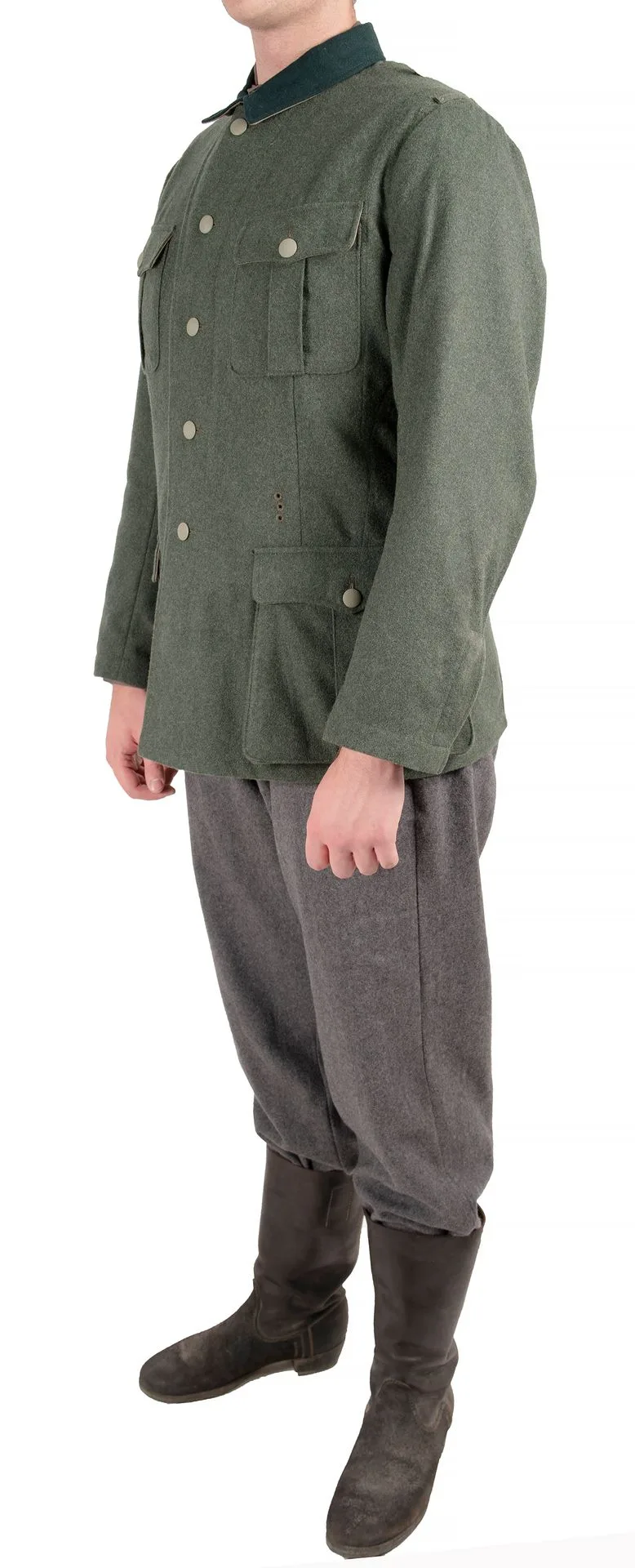
German Tunic and Trouser Package
When selecting your uniform, pay attention to details like collar tabs, shoulder boards, and belt hooks. Feldgendarmarie often wore the standard infantry shoulder boards, but their collar tabs were the standard army style (dark green with silver piping). The trousers should be straight-legged or bloused, depending on the period. Ensure the fit is comfortable for long days at events, as authenticity should not sacrifice practicality.
- Choose a tunic with the correct button placement and pocket flaps. Late-war tunics had simplified pockets.
- Trousers should have a high waist and be worn with suspenders or a belt. The M44 trousers are popular for their integrated belt loops.
The Iconic Gorget and Brassard
No Feldgendarmarie impression is complete without the gorget. This metal plate was worn around the neck on a chain and was a symbol of authority. Reproductions are widely available, but ensure you choose one with the correct 'Feldgendarmerie' inscription and a national eagle. The gorget should be worn over the tunic, just below the collar, and should be polished to a high shine for a striking appearance.
In addition to the gorget, you will need the Feldgendarmarie brassard. This armband was worn on the left upper sleeve and featured the same 'Feldgendarmerie' inscription in Gothic script. The brassard was typically made of black cloth with silver or white lettering. It was an essential identifier, especially when the gorget was not worn. Together, the gorget and brassard immediately mark you as a military police officer.
- The gorget chain should be adjustable and made of metal. Avoid plastic reproductions for authenticity.
- Wear the brassard securely so it does not slip during movement. It should be visible from a distance.
Equipment and Accessories
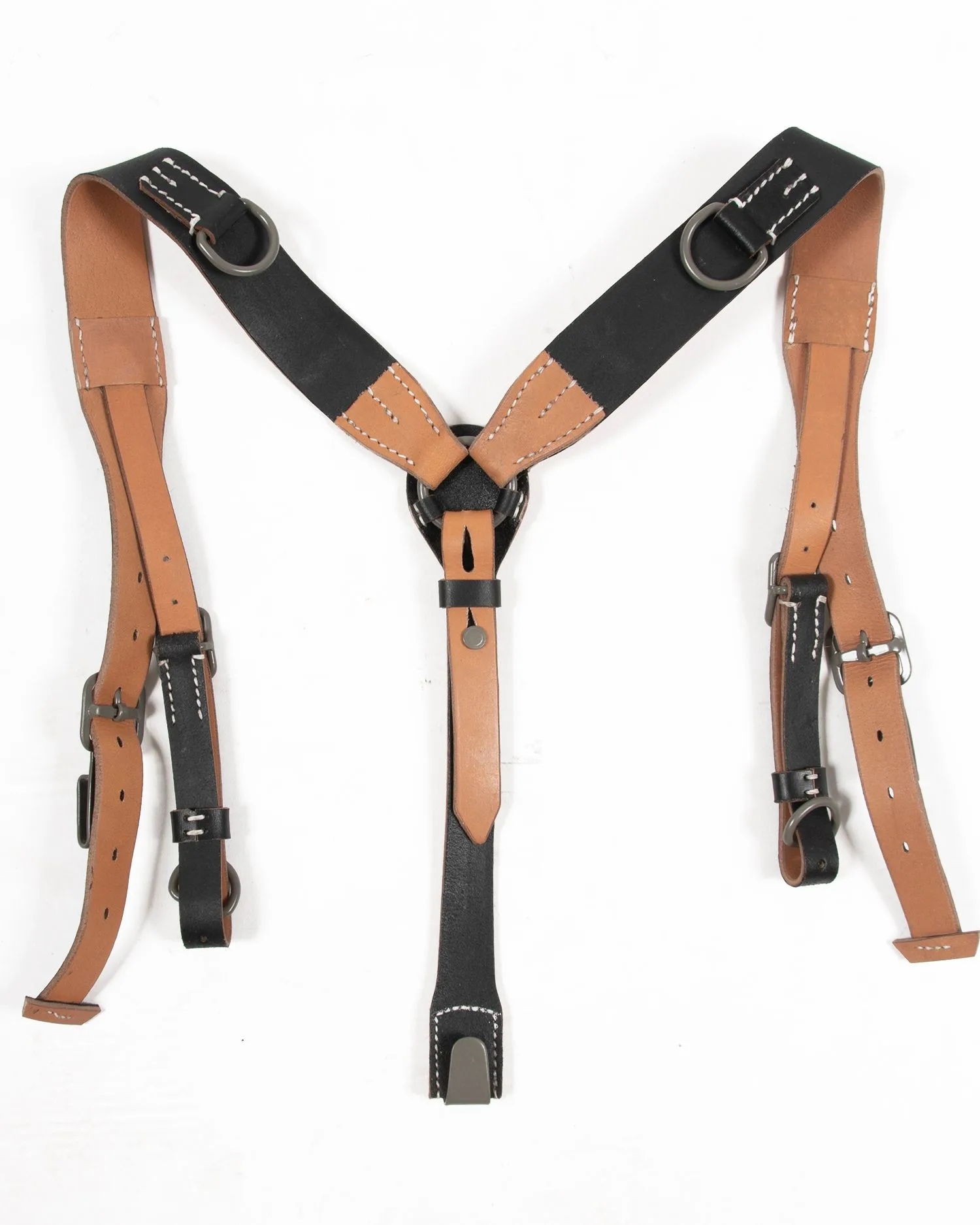
Your equipment should reflect the Feldgendarmarie's role as a frontline soldier. A standard German infantry loadout is appropriate, including a Y-strap system, belt, ammunition pouches, and a gas mask canister. However, Feldgendarmarie were often issued additional gear like a flashlight, a whistle, and a notebook for recording violations. A field cap or steel helmet completes the headgear.
For your belt, you will need a standard German buckle, but some Feldgendarmarie used the police-style buckle with a different design. Research your specific unit or time period to choose correctly. Also, consider adding a map case or dispatch bag for carrying documents. The JQMD Medic Equipment Package might seem unrelated, but its pouches and bags can be repurposed for carrying first aid or administrative supplies, adding realism to your impression.
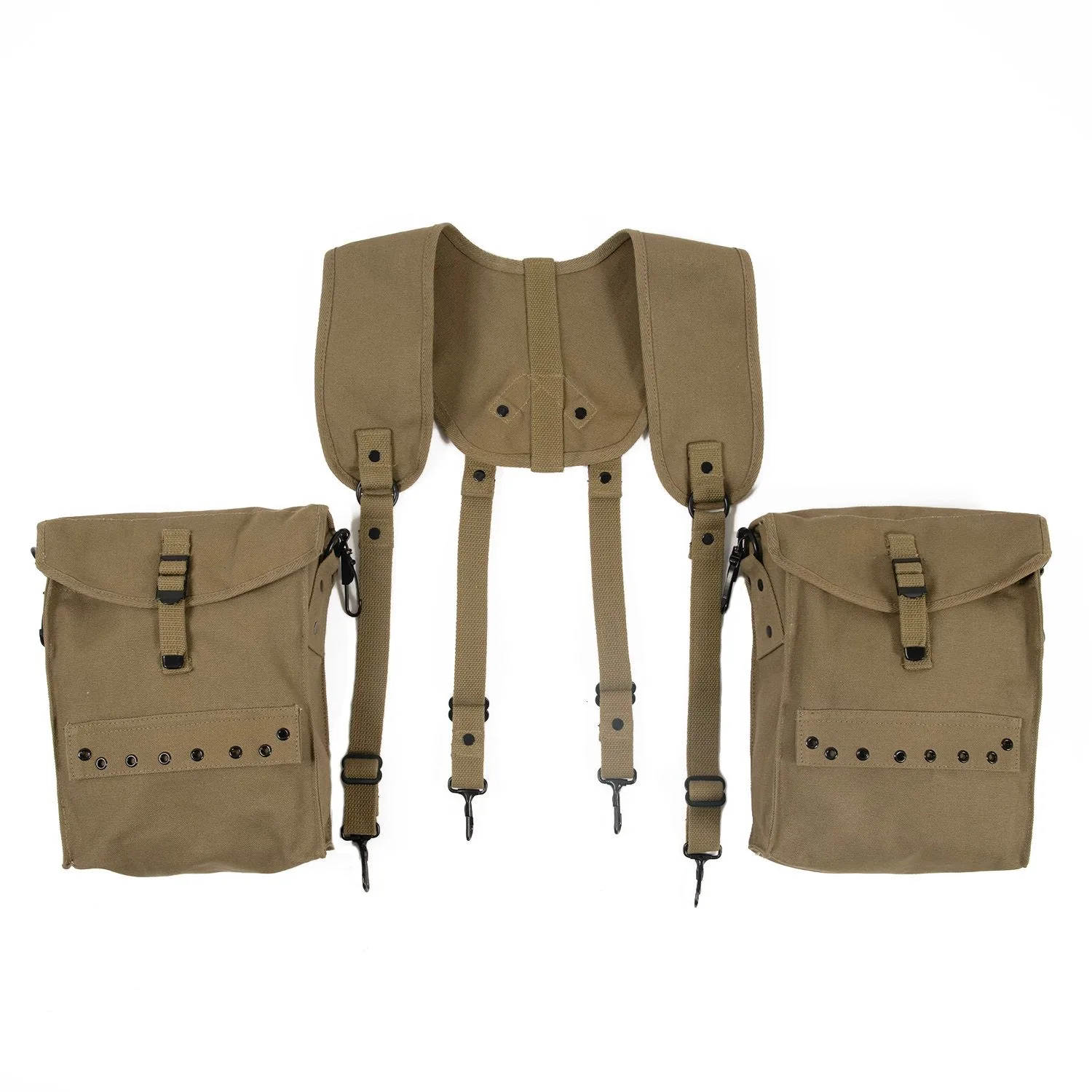
JQMD Medic Equipment Package
- A flashlight with a red lens is a practical addition for night duties. Look for reproductions of the standard German model.
- Carry a whistle to signal troops or alert comrades. This was a common tool for military police.
Insignia and Personal Details
Insignia add authenticity and tell a story about your impression. Feldgendarmarie typically wore the standard army eagle on the left breast, but some units used a special police eagle. Research your specific unit to ensure accuracy. Collar tabs should be the standard dark green with silver piping, and shoulder boards should indicate your rank, usually a senior NCO or officer.
Medals and badges can enhance your impression, but avoid overloading your uniform. A single award, like the Iron Cross 1st Class (EK1) WW2, worn on the left breast pocket, adds a touch of realism without looking cluttered. Similarly, the Combat Infantry Badge, Metal can be worn if your impression represents a veteran of frontline service. Keep it minimal and historically plausible.
- The police eagle was sometimes worn on the left upper sleeve, below the brassard. Check period photos for guidance.
- Rank insignia should match your impression's role. A Feldwebel (sergeant) is a common and realistic choice.
Weapon and Small Arms
Feldgendarmarie were typically armed with the standard infantry weapons of the German Army. The Mauser Kar98k rifle was the most common, but some units were issued submachine guns like the MP40 for close-quarters control. A pistol was also standard, often a Walther P38 or Luger. For reenactors, a deactivated or replica weapon is appropriate, but always check event rules.
If you choose a rifle, ensure you have a proper sling. The M1 Carbine Sling, OD no.3, w/ Oiler is an American item, but its design is similar to German slings, and some reenactors use it as a substitute. However, for authenticity, look for a German-style leather sling. Your weapon should be clean and well-maintained, reflecting the discipline of a military police officer.
- Carry your weapon with the muzzle pointed down or to the side, following safety protocols at all times.
- A holster for your pistol should be worn on the belt, opposite your ammunition pouches.
Building a WWII German Feldgendarmarie impression requires attention to detail and a commitment to historical accuracy. From the iconic gorget to the correct uniform and equipment, every piece contributes to a convincing portrayal. Start with the essentials and gradually refine your kit. For a solid foundation, explore the German Tunic and Trouser Package, which provides a coordinated uniform set that will serve as the backbone of your impression. With careful research and quality reproductions, you can honor the legacy of these military police and stand out at any reenactment event.