If you're new to using a step-in dog harness, you might feel a bit overwhelmed by the straps and buckles. But don't worry—this guide is here to help. Step-in harnesses are one of the easiest types to put on, and once you get the hang of it, you'll wonder why you ever struggled. In this article, we'll walk you through the entire process, from positioning the harness to adjusting it for a perfect fit.
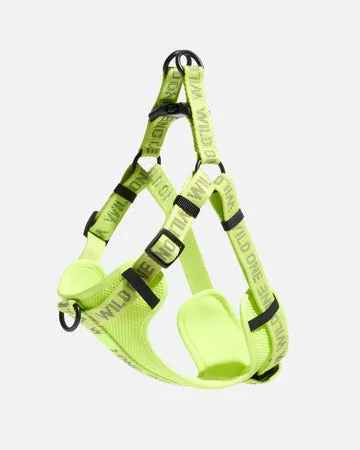
step-in dog harness
Whether you have a wiggly puppy or a senior dog who needs a little extra support, a step-in harness can make walks more comfortable and controlled. We'll also share some common mistakes to avoid and tips for making the experience stress-free for both you and your furry friend.
Why Choose a Step-In Dog Harness?
Step-in harnesses are popular among dog owners for good reason. Unlike over-the-head harnesses, which can be intimidating for dogs, step-in harnesses require your dog to simply step into two loops. This design is especially great for dogs that are nervous about having things put over their heads. It also reduces the risk of neck strain, making it a safer option for dogs that pull.
Another advantage is that step-in harnesses are often easier to adjust. Most models have multiple points of adjustment, allowing you to get a snug but comfortable fit. Plus, they're less likely to twist or shift during walks, which means fewer interruptions and more enjoyment for both of you.
- Reduces pressure on the neck, ideal for dogs that pull
- Easy to put on, even for wiggly or anxious dogs
- Adjustable for a secure, comfortable fit
Step-by-Step: How to Put On a Step-In Dog Harness
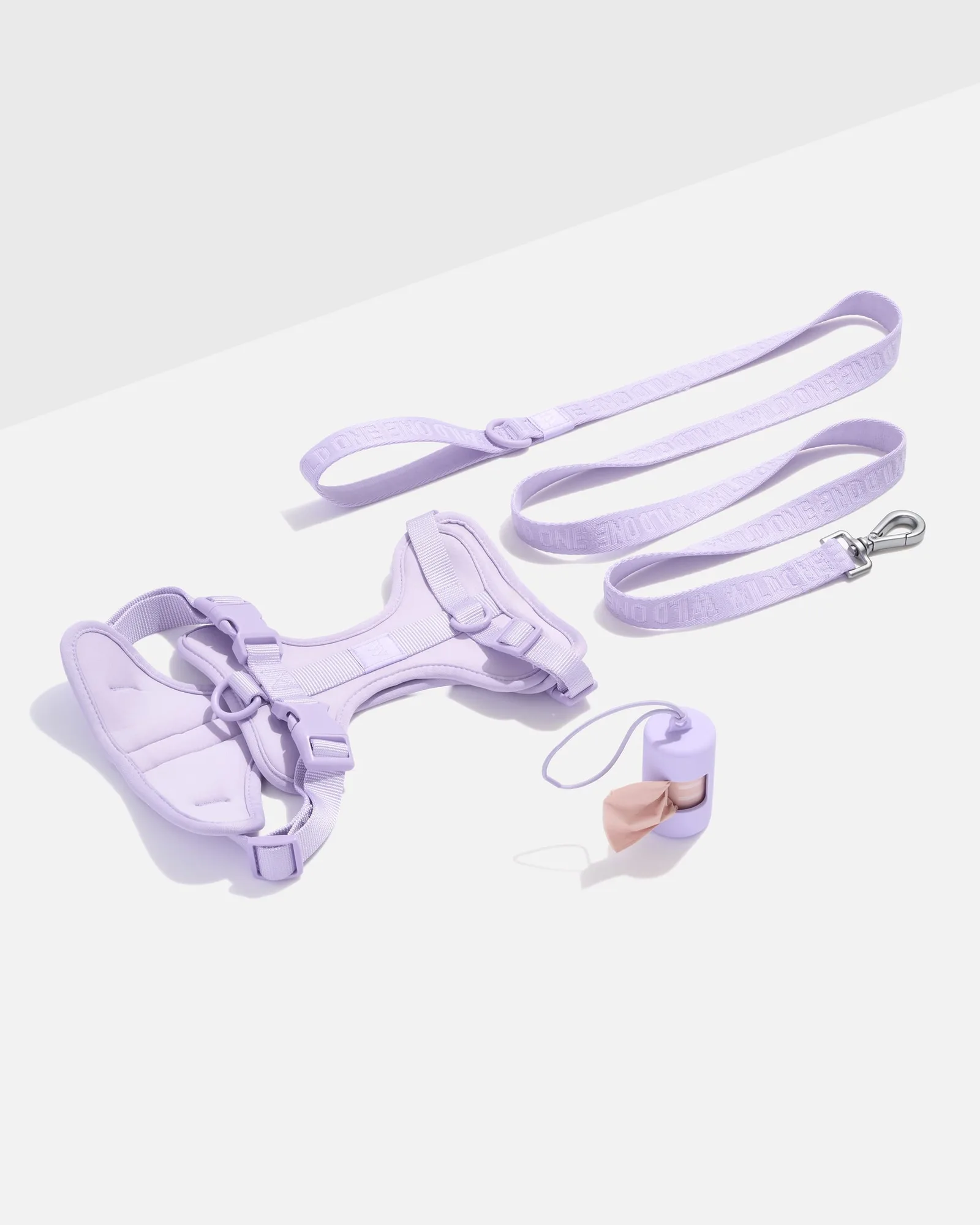
Before you begin, make sure you have the harness unbuckled and laid flat on the floor. The two leg holes should be visible, and the chest piece should be facing up. If your harness has a belly strap, ensure it's loosened enough to allow easy stepping.
Now, encourage your dog to stand beside the harness. Gently guide one front paw into the first leg hole, then the other paw into the second. Once both paws are through, pull the harness up along your dog's legs until the chest piece rests comfortably on the sternum. Bring the two sides together and fasten the buckle on the back or side, depending on the design.
After buckling, adjust the straps so the harness fits snugly but not too tight. You should be able to fit two fingers between the harness and your dog's body. Check that the harness doesn't chafe under the armpits or restrict movement. Once adjusted, attach your leash to the D-ring and you're ready to go!
- Lay the harness flat with the chest piece facing up
- Guide each front paw into the leg holes one at a time
- Fasten the buckle and adjust for a two-finger fit
Adjusting the Harness for the Perfect Fit
A well-fitted harness is crucial for your dog's comfort and safety. Start by checking the neck and chest straps. The neck strap should sit high on the neck, just behind the ears, and the chest strap should be about a finger's width behind the front legs. If the harness is too loose, your dog might slip out; if it's too tight, it can cause chafing or breathing difficulties.
Most step-in harnesses have adjustable straps on both the neck and chest. Make small adjustments and test the fit by gently pulling on the harness. Your dog should be able to move freely without any pinching. Remember to re-check the fit periodically, especially if your dog is still growing or has gained/lost weight.
- Check that the chest strap is not too close to the armpits
- Adjust straps gradually and test the fit
- Re-check the fit every few weeks
Common Mistakes to Avoid
One common mistake is putting the harness on upside down. Always ensure the chest piece is facing up and the D-ring is on the back. Another mistake is not loosening the straps enough before stepping in, which can make the process difficult and uncomfortable for your dog.
Also, avoid leaving the harness on for extended periods, especially during hot weather, as it can cause irritation. Finally, don't forget to check for wear and tear regularly. A damaged harness can break unexpectedly, putting your dog at risk.
- Double-check the orientation of the harness before putting it on
- Loosen straps before stepping in
- Inspect the harness regularly for signs of wear
Training Tips for First-Time Users
If your dog is not used to wearing a harness, take it slow. Let them sniff and investigate the harness before attempting to put it on. Reward them with treats and praise throughout the process to create a positive association. You can also practice a few steps indoors before heading outside.
Once the harness is on, let your dog wear it for short periods while giving them treats. Gradually increase the time as they become more comfortable. This method works well for both puppies and adult dogs, and it helps build a positive routine for walks.
- Use high-value treats to reward calm behavior
- Start with short indoor sessions
- Gradually increase wear time
Pairing Your Harness with the Right Leash
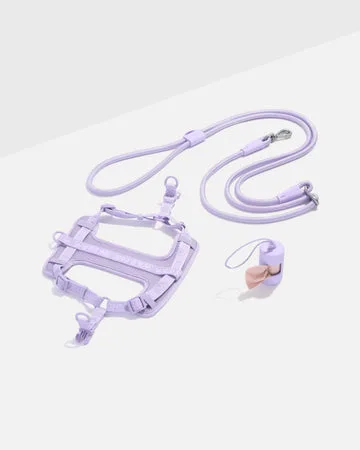
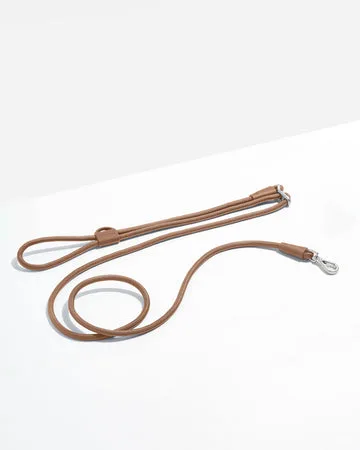
A good harness works best when paired with a quality leash. For everyday walks, a lightweight, comfortable leash is ideal. The Lightweight Dog Leash is a great option—it's durable yet easy to hold, and it won't weigh your dog down. If you prefer a hands-free option, consider the Quick-Release Collar + Lightweight Leash Walk Kit, which includes a comfortable collar and a leash that clips around your waist for added convenience.
Remember to attach the leash to the D-ring on the back of the harness. Avoid attaching it to the collar, as this can cause neck strain. With the right combination, you'll have better control and a more enjoyable walking experience.
- Use a lightweight leash for everyday comfort
- Attach the leash to the harness D-ring, not the collar
- Consider a hands-free leash for active walks
Using a step-in dog harness is a simple and effective way to keep your dog safe and comfortable on walks. With the right technique and a little patience, you'll both be enjoying stress-free outings in no time. If you're looking for a high-quality harness, check out the Cushioned Dog Harness for extra comfort and support. Happy walking!