Choosing the right necklace chain can feel overwhelming, especially when you're deciding between classic styles like the sterling silver wheat chain and the cable chain. Both are beloved for their timeless appeal, but they serve different purposes and cater to different tastes. In this comparison, we'll break down the key differences—from appearance and durability to comfort and styling—so you can make an informed choice for your next jewelry purchase.
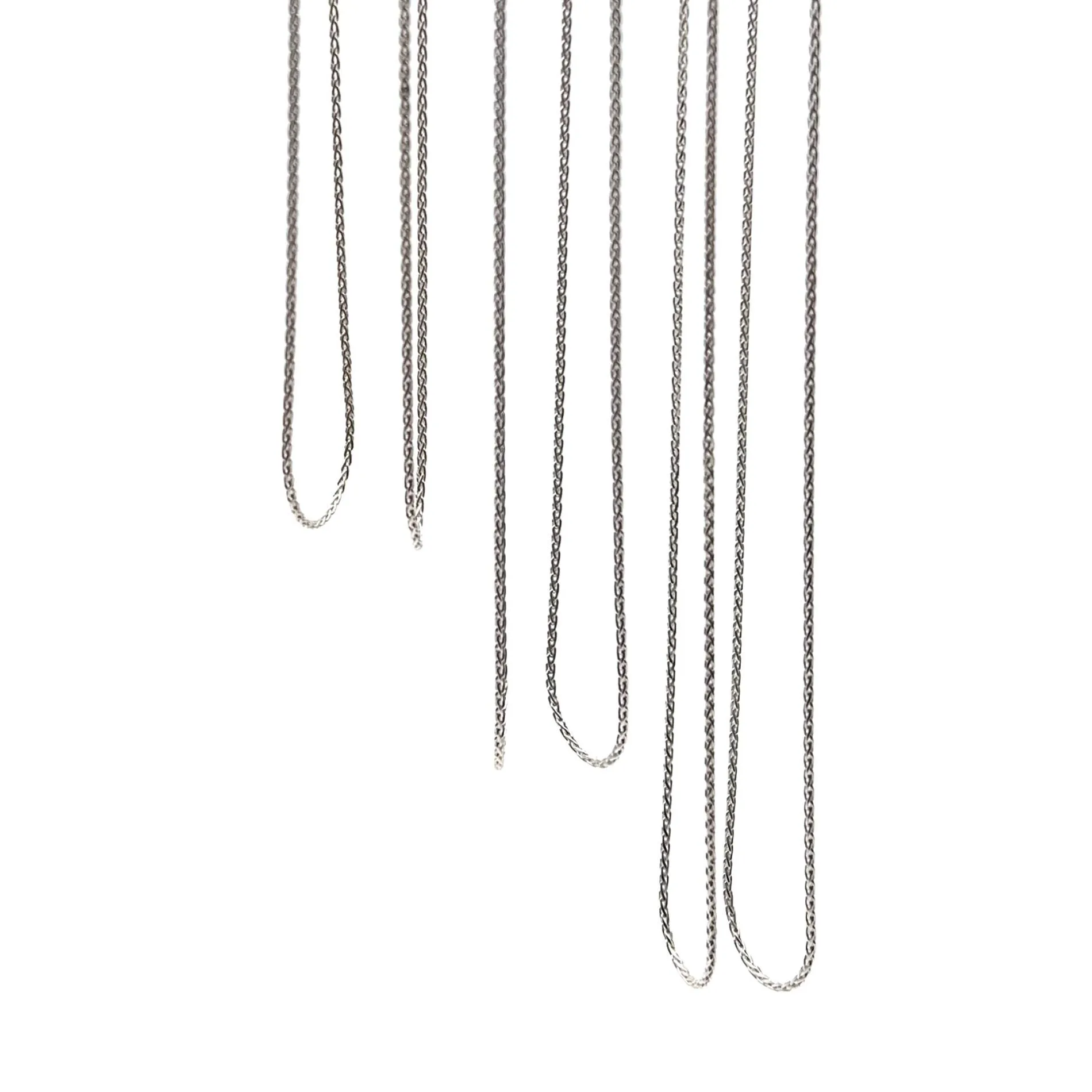
sterling silver wheat chain
Whether you're buying a chain to showcase a special pendant or you're looking for an everyday piece that can withstand daily wear, understanding the construction and behavior of each chain type is essential. Let's dive into the world of sterling silver chains and explore which one might be the better fit for you.
Understanding the Wheat Chain
The wheat chain, also known as the rope chain or spiga chain, is crafted by interlocking oval links in a pattern that resembles braided wheat stalks. This design creates a sturdy, textured surface that reflects light beautifully, giving the chain a rich, luxurious appearance. Wheat chains are often considered more durable than many other chain types because the links are tightly woven, reducing the risk of kinking or breaking.
When it comes to styling, wheat chains have a distinct look that adds visual interest to any outfit. They are versatile enough to be worn alone or with a pendant, but their texture can sometimes overpower delicate pendants. If you're looking for a chain that makes a statement on its own, a wheat chain is an excellent choice. For example, the Aquamarine - Chip Necklace features a delicate chip design that pairs well with a finer chain, but a wheat chain could also complement it if you prefer a bolder look.
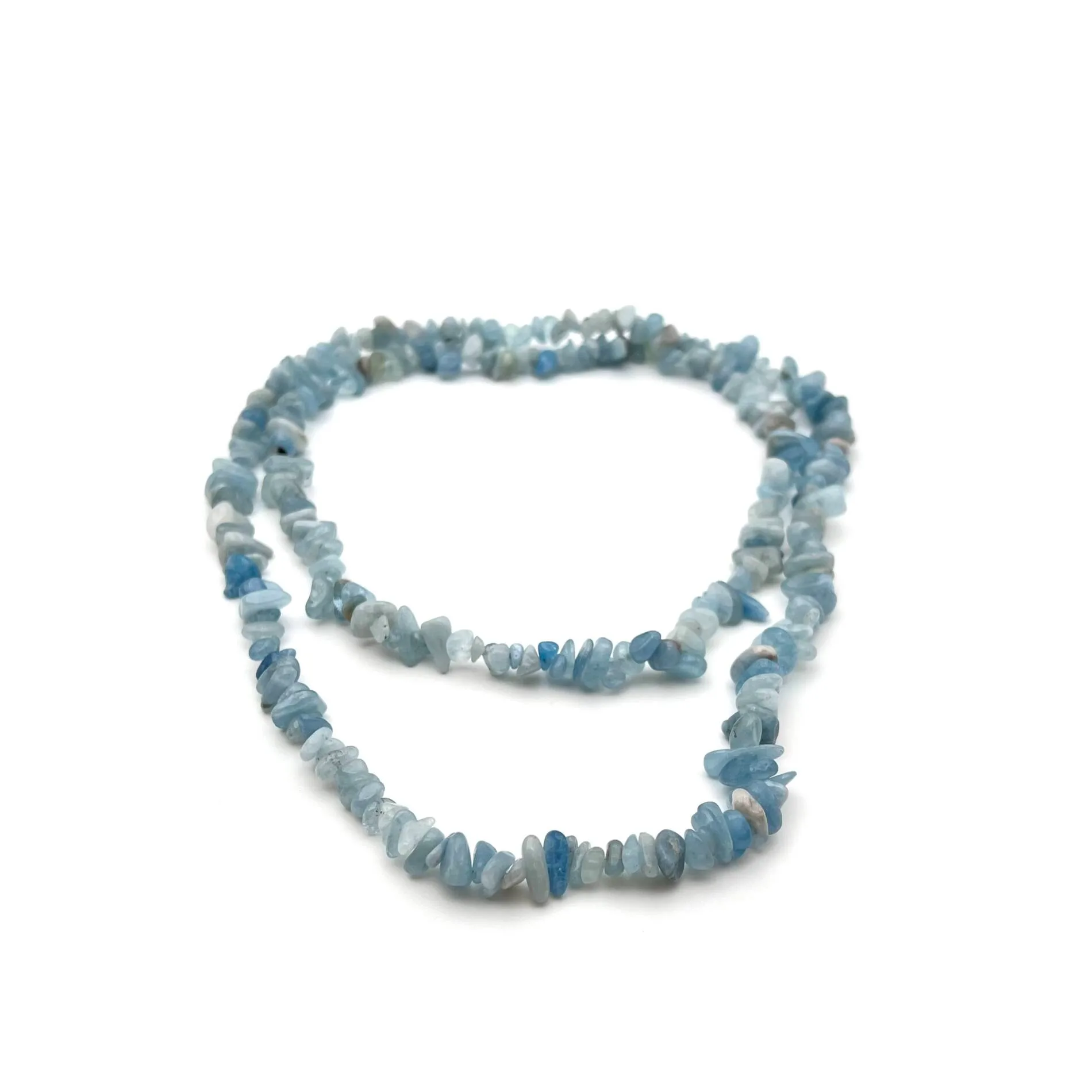
Aquamarine - Chip Necklace
- Highly durable and resistant to kinking
- Textured, braided appearance that catches the light
- Ideal for pendants that need a sturdy base
Understanding the Cable Chain
The cable chain is perhaps the most classic and recognizable chain style. It consists of uniformly sized round or oval links that are connected in a simple pattern, creating a smooth, sleek surface. Cable chains are lightweight, comfortable to wear, and offer a clean, understated look that pairs well with almost any pendant. They are also available in various thicknesses, from delicate to chunky, making them versatile for different styles.
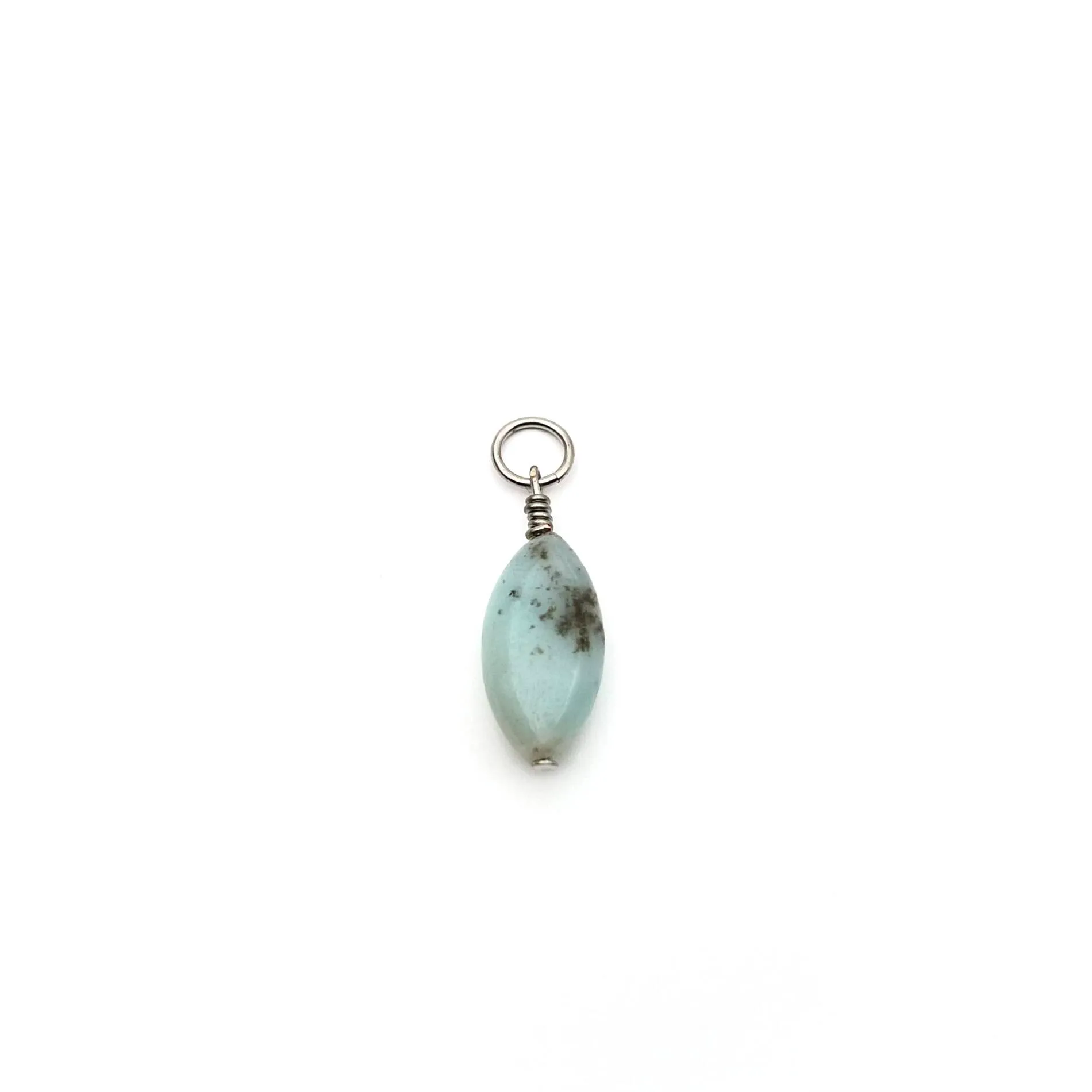
While cable chains are generally sturdy, they can be more prone to kinking or twisting if the links are very fine. However, for everyday wear and for pendants that are not overly heavy, a cable chain is a reliable and stylish option. For instance, the Amazonite Pendant | Oval features a beautiful oval stone that would hang elegantly from a cable chain, allowing the pendant to take center stage without competing with the chain's texture.
- Smooth, classic design that complements any pendant
- Lightweight and comfortable for all-day wear
- Available in a range of thicknesses to suit different styles
Durability and Strength Comparison
When it comes to durability, wheat chains generally have the upper hand. The tightly woven links distribute stress more evenly, making them less likely to break or stretch over time. This makes wheat chains an excellent choice for heavy pendants or for those who wear their jewelry during physical activities. On the other hand, cable chains, especially thinner ones, can be more susceptible to damage if pulled or snagged.
However, the durability of a chain also depends on the quality of the sterling silver and the craftsmanship. A well-made cable chain with sturdy links can be just as reliable as a wheat chain for everyday use. If you plan to wear your chain daily and prefer a worry-free experience, a wheat chain might be the safer bet. But if you're looking for a delicate, elegant chain for occasional wear, a cable chain could be perfectly adequate.
- Wheat chains are more resistant to kinking and breaking
- Cable chains may require more careful handling if they are thin
- Consider the weight of your pendant when choosing chain strength
Style and Aesthetic Differences
Aesthetically, wheat and cable chains offer distinct vibes. Wheat chains have a textured, braided look that adds depth and dimension to your jewelry. They catch the light in a unique way, making them stand out even when worn alone. This makes them a popular choice for those who want their necklace to be a focal point. Cable chains, by contrast, are minimal and sleek. They provide a subtle backdrop that lets your pendant shine, making them ideal for showcasing a beautiful gemstone or a meaningful charm.
When choosing between the two, consider the type of pendant you'll be wearing. A delicate pendant like the Chakra Pendant | Sacral | Classic 1 1/4" might get lost on a thick wheat chain, but it would look lovely on a fine cable chain. Conversely, a bold pendant could be beautifully complemented by the substantial look of a wheat chain. Ultimately, your personal style and the statement you want to make will guide your decision.
- Wheat chains are statement pieces that add texture
- Cable chains are understated and let pendants shine
- Match the chain style to the pendant's design and weight
Comfort and Wearability
Comfort is a crucial factor when choosing a necklace chain, especially if you plan to wear it for extended periods. Cable chains are generally lighter and smoother, making them comfortable for all-day wear. They lie flat against the skin and don't catch on clothing as easily. Wheat chains, while not heavy, have a textured surface that can feel different against the skin. Some people find the texture comforting, while others may prefer the smoothness of a cable chain.
If you have sensitive skin, both types are made from sterling silver, which is hypoallergenic for most people. However, the way the chain moves and interacts with your skin can affect comfort. For those who are active or wear their necklace while sleeping, a cable chain might be less obtrusive. On the other hand, if you appreciate the tactile sensation of a textured chain, a wheat chain could be your go-to.
- Cable chains are lighter and smoother for everyday wear
- Wheat chains offer a textured feel that some may find comforting
- Both are hypoallergenic when made of genuine sterling silver
Price and Value Considerations
Price is often a deciding factor when comparing chains. Wheat chains typically require more silver and more labor to craft due to their intricate weaving, so they tend to be more expensive than cable chains of similar length and thickness. Cable chains are simpler to produce, making them more budget-friendly. However, the higher upfront cost of a wheat chain can be justified by its enhanced durability and longevity, which may save you money in the long run if you don't need to replace it as often.
When considering value, think about how often you'll wear the chain and what you'll be pairing it with. If you're investing in a high-quality pendant, a sturdy wheat chain might be worth the extra expense to ensure your pendant is secure. If you prefer to change your necklaces frequently or are looking for a versatile everyday piece, a cable chain offers excellent value at a lower price point.
- Wheat chains are generally more expensive due to intricate craftsmanship
- Cable chains offer a budget-friendly option without sacrificing style
- Consider long-term durability when evaluating price
How to Choose the Right Chain for Your Pendant
Choosing the right chain for your pendant depends on the pendant's weight, size, and style. For heavy or large pendants, a wheat chain is recommended because of its superior strength and durability. The tightly woven links can support more weight without stretching or breaking. For lighter, smaller pendants, a cable chain is often sufficient and provides a delicate, elegant look that doesn't overpower the pendant.
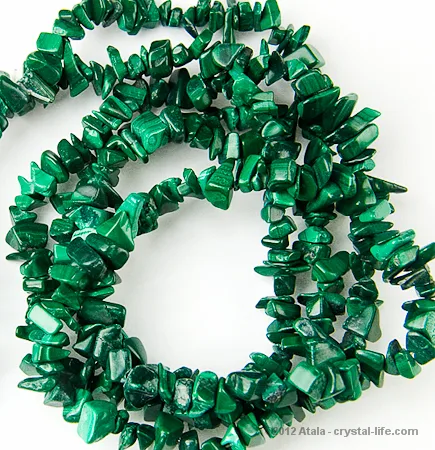
Consider the design of your pendant. If your pendant has a simple bail or loop, both chain types will work. However, if your pendant is ornate or has a unique shape, you may want to choose a chain that complements it without competing for attention. For example, the Malachite - Chip Necklace features multiple chips that add texture; pairing it with a smooth cable chain can create a balanced contrast, while a wheat chain might create too much visual busyness.
- Match chain strength to pendant weight
- Consider the visual balance between chain and pendant
- Think about the occasion and how often you'll wear the piece
Caring for Your Sterling Silver Chain
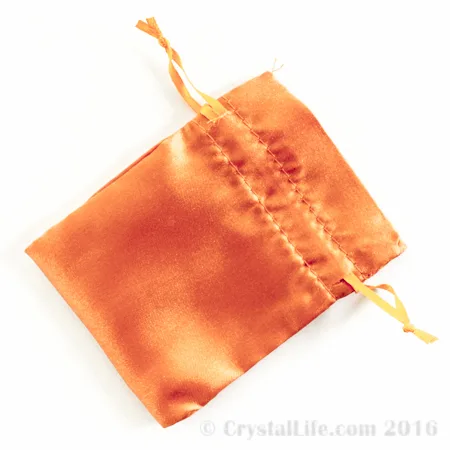
Regardless of which chain type you choose, proper care is essential to maintain its beauty and longevity. Sterling silver can tarnish over time, especially when exposed to air, moisture, and chemicals. To keep your chain looking its best, store it in a tarnish-resistant pouch or a separate compartment in your jewelry box. The Satin Bag - Pumpkin 3x4 is a charming and practical option for storing your chains, protecting them from scratches and tarnishing.
Clean your sterling silver chain regularly using a soft cloth or a gentle silver cleaner. Avoid exposing it to harsh chemicals, perfumes, or lotions, which can accelerate tarnishing. When not in use, keep your chain dry and away from direct sunlight. With proper care, your sterling silver chain—whether wheat or cable—will remain a cherished piece in your collection for years to come.
- Store chains in a soft pouch or jewelry box to prevent tarnishing
- Clean gently with a silver polishing cloth
- Avoid contact with chemicals and moisture
In the battle of sterling silver wheat vs cable chain, there's no definitive winner—it all comes down to your personal style, needs, and the pendant you plan to wear. Wheat chains offer superior durability and a bold, textured look, while cable chains provide a sleek, classic elegance that's perfect for everyday wear. Consider the weight of your pendant, your aesthetic preferences, and your budget to make the best choice. Whichever you select, investing in a high-quality sterling silver chain will ensure you have a versatile piece that enhances your jewelry collection for years to come.