Quick Take
Sticker production contributes to plastic waste and chemical emissions. Opt for stickers made from recyclable or biodegradable materials, and choose durable designs that last longer. Supporting brands that publish sustainability data helps drive industry change.
The sticker market has exploded, but behind the cute designs lies a manufacturing process that often relies on petroleum‑based vinyl, inks, and laminates. These ingredients can generate greenhouse gases, hazardous waste, and micro‑plastic pollution.
Fortunately, the industry is beginning to explore greener pathways. From recycled paper bases to water‑based inks and longer‑lasting UV‑laminated vinyl, there are options that let creators and collectors reduce their environmental footprint without sacrificing creativity.
Sticker Production Environmental Impact
Traditional stickers are typically cut from PVC or vinyl sheets that require energy‑intensive polymer production. The solvents used in printing and the adhesive chemicals can release volatile organic compounds (VOCs) into the air, contributing to smog and health concerns. After use, many stickers are discarded on surfaces where they are difficult to recycle, ending up in landfills or breaking down into micro‑plastics that enter waterways.
In addition, the packaging for sticker rolls and sheets often involves single‑use plastics or non‑recyclable glossy paper. This adds to the overall waste stream, especially when hobbyists buy multiple small packs. Understanding these impacts helps consumers prioritize products that minimize resource use and toxic by‑products.
- Look for stickers labeled PVC‑free or made from recycled paper.
Sustainable Sticker Materials
Eco‑friendly alternatives include stickers printed on recycled matte paper, which can be composted or recycled with regular office waste. Water‑based inks replace solvent‑based inks, lowering VOC emissions during printing. Some manufacturers are experimenting with biodegradable bioplastic films that break down under industrial composting conditions.
Another promising route is the use of UV‑laminated vinyl that extends sticker life. While still a plastic, the durability means fewer replacements, reducing overall material consumption. When combined with recyclable backing paper, the end‑of‑life impact can be mitigated.
- Prioritize water‑based inks and recycled paper bases for lower carbon footprints.
Choosing Eco Friendly Stickers
To make greener choices, start by checking product descriptions for material claims such as "recycled paper," "PVC‑free," or "biodegradable." Brands that provide transparency about their supply chain and offer bulk packaging options also help cut down on plastic waste.
Consider the sticker's intended use: a durable, water‑proof vinyl sticker that lasts years on a laptop may be more sustainable than a cheap paper sticker that needs frequent replacement. Pairing durability with recyclable backing creates a balanced approach.
- Buy in bulk or choose roll formats to reduce packaging waste.
Key Takeaways
Durability reduces waste
Choose stickers with UV laminate or high‑quality paper that last longer, so you buy fewer replacements. Long‑lasting stickers = lower overall material consumption.
Prefer recyclable or biodegradable bases
Look for recycled matte paper, PVC‑free, or certified biodegradable bioplastic stickers. Recyclable bases keep the product out of landfills.
Support transparent brands
Buy from sellers who disclose material sourcing, manufacturing processes, and offer bulk or minimal packaging. Transparency drives industry‑wide sustainability improvements.
Eco-friendly Sticker Options
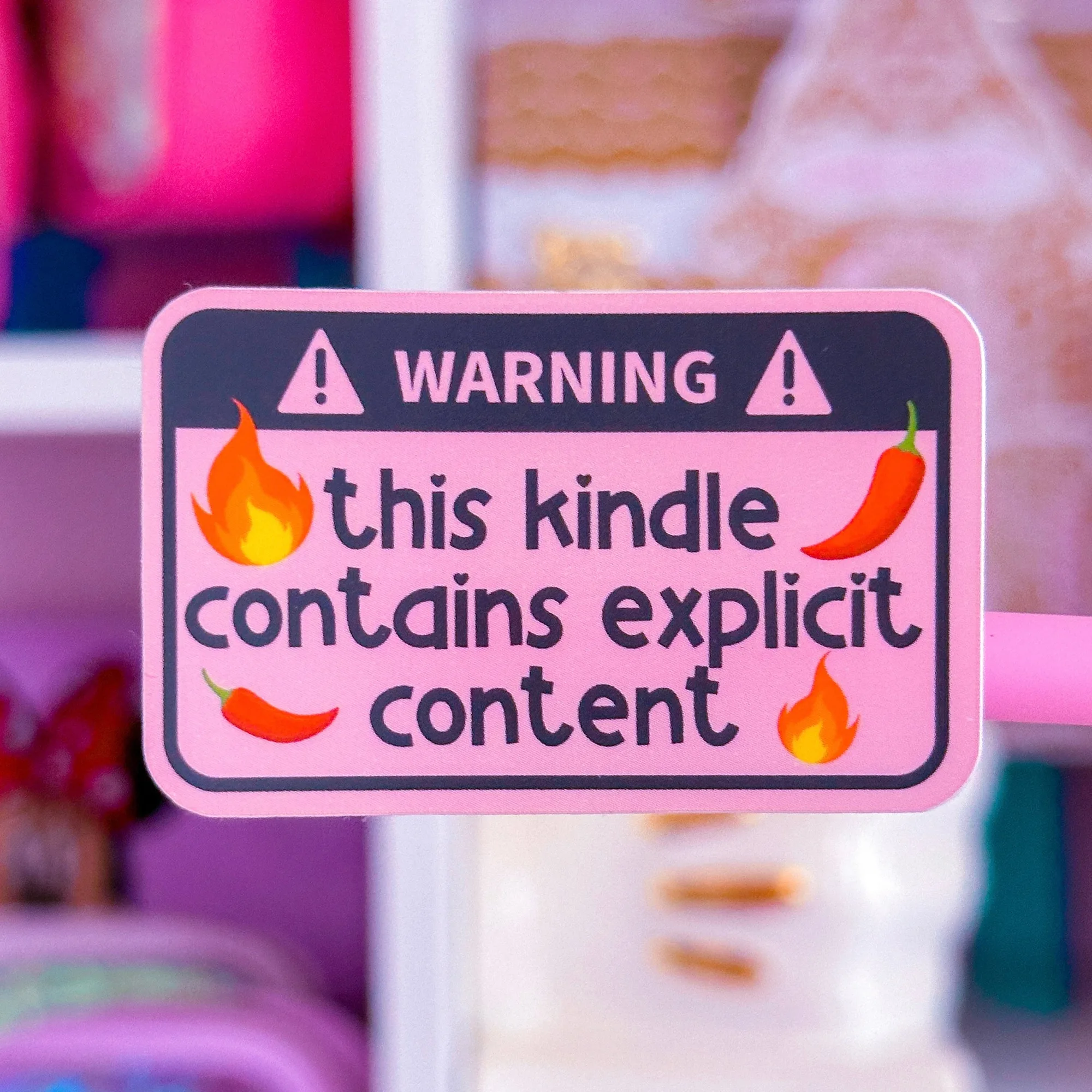
- Waterproof Sticker - BOOKISH Explicit Material Kindle Warning: This listing is for 1 durable, waterproof, vinyl sticker! Size is approx. 2.3" x 1.5" Sticker is protected with UV laminate - durable against rain or shine! The sticker is heavy duty, but still flexible and easy to use on water bottles, planner covers, laptops, planner carts, etc.! The UV laminate and heavy‑duty vinyl extend the sticker's life, meaning fewer replacements and less overall waste.
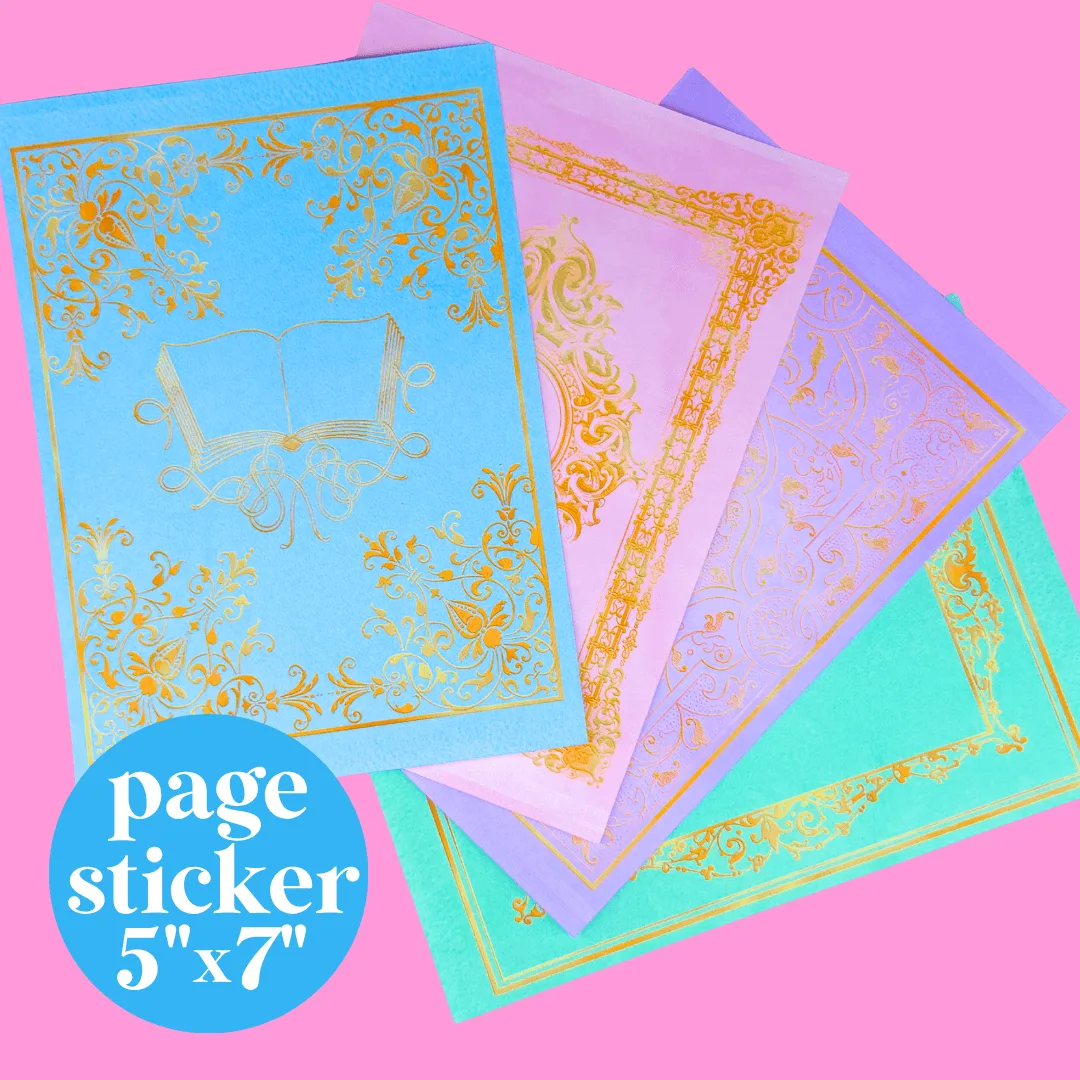
- Journaling Paper Sticker - 5x7 Full Page Background Stickers (Pastel Book Covers): Stickers are printed on STANDARD MATTE, Sticker Paper. Full Page Stickers are the perfect option as a fun background to fill your journal/page! You can layer more stickers or photos on top. Just peel and stick in your book. Standard matte paper is more recyclable than vinyl, allowing the sticker to enter regular paper recycling streams after use.
By understanding the environmental costs of sticker production and selecting items made from sustainable materials, you can enjoy creative expression while protecting the planet.