Understanding Why Dogs Bark
Barking is a natural form of canine communication, but when it becomes excessive, it can disrupt your household and strain your relationship with your dog. The first step to solving the problem is understanding what your dog is trying to say. Common triggers include territorial warnings, excitement, boredom, fear, or separation anxiety. Identifying the specific cause in your dog is essential before choosing a training approach.
A Practical Resource for Barking Solutions
For owners who want a clear, step-by-step guide, The Dog Behavior Answer Book by Arden Moore offers straightforward explanations and actionable strategies. Written in an accessible style, it helps you decode your dog's signals and apply positive training techniques to modify unwanted barking. The book focuses specifically on understanding and addressing barking behavior, making it a targeted resource rather than a general training manual.
What the Book Offers
-
The Dog Behavior Answer Book: The Dog Behavior Answer Book offers clear, practical guidance for owners seeking to understand and address barking in their dogs. It provides a structured approach to diagnosing barking triggers and applying effective training techniques.
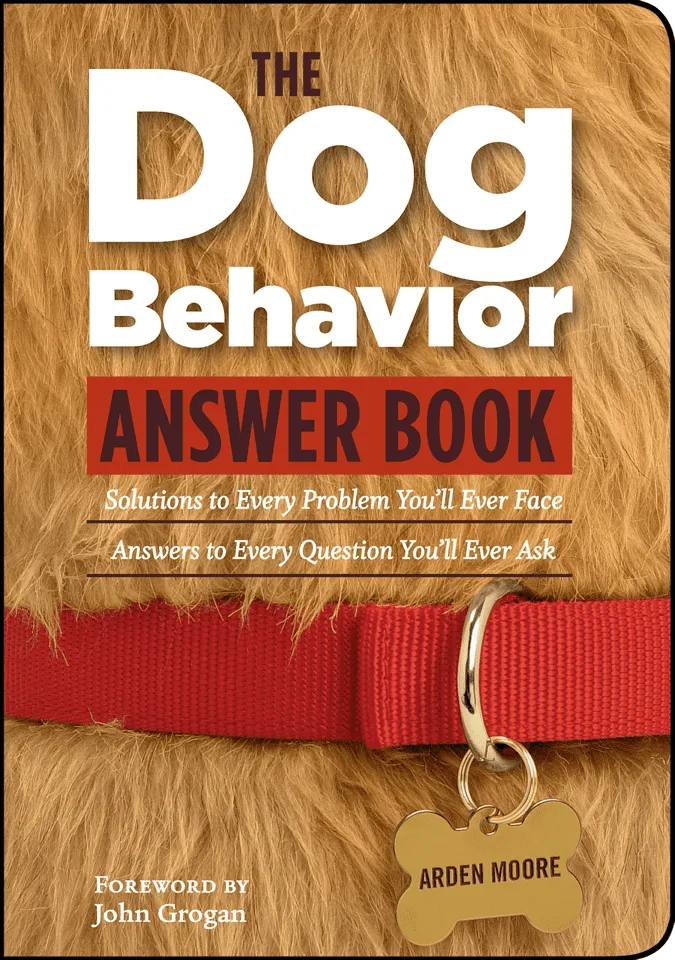
The Dog Behavior Answer Book
-
The Dog Behavior Answer Book: Focuses specifically on barking behavior and its causes Instead of covering all dog behaviors, this book dedicates its advice to the issue you're trying to solve, saving you time.
-
The Dog Behavior Answer Book: Provides step-by-step strategies you can use at home You don't need professional equipment or classes; the methods are designed for everyday implementation.
-
The Dog Behavior Answer Book: Explains how to read canine signals and respond appropriately Understanding your dog's body language helps you intervene before the barking escalates.
-
The Dog Behavior Answer Book: Designed for both new and experienced dog owners Whether you're a first-time owner or have lived with dogs for years, the advice is clear enough to follow and deep enough to be effective.
Putting Training into Practice
Once you have a resource like The Dog Behavior Answer Book, the real work begins. Consistency is key: every family member should use the same cues and rewards. Start by managing the environment to reduce triggers—close curtains if your dog barks at passersby, or provide a quiet space during doorbell rings. Then, use positive reinforcement to reward quiet behavior, gradually increasing the duration of calmness before giving a treat. Avoid punishment, which can increase anxiety and worsen barking.
When to Seek Additional Help
If your dog's barking persists despite consistent training, or if it's accompanied by destructive behavior or signs of distress, consult a certified professional dog trainer or a veterinary behaviorist. A book like The Dog Behavior Answer Book is a powerful starting point, but some cases require individualized assessment and in-person guidance.