Quick Answer
Most Civic and Integra shift knob rattle comes from three things: a knob that is not fully seated on the M10x1.5 thread, a missing or loose shift boot collar, or a lightweight knob that transmits engine vibration instead of damping it. Tighten the knob until it bottoms out, confirm the boot collar is seated, and if the noise continues, switch to a heavier knob such as the ESCO-T6 or a low-profile POCO that sits closer to the lever.
Separate the Symptom Before You Touch Anything
Rattle, buzz, and wobble are not the same fault, and they do not share one fix. A rattle is usually a loose joint or collar tapping against the boot or lever. A buzz that follows engine RPM is vibration transfer through a hard, lightweight knob. A wobble you can feel by hand means the knob is not gripping the thread properly.
Before buying parts, reproduce the noise with the car stationary. Idle in neutral and listen. Then hold the knob firmly while a helper revs the engine slightly. If the noise stops when you grip it, the problem is in the knob-to-lever interface, not the transmission. If it continues, look at the boot and surrounding trim.
Check the Thread Engagement First
Honda and Acura shift levers in most Civic and Integra applications use an M10x1.5 thread, and a knob that only catches a few threads will rock under load. Spin the knob down by hand until it stops, then confirm it is not bottoming on the boot collar or the lever shoulder before the thread is fully engaged.
If the knob spins freely past the point where it should tighten, the internal thread or the lever thread is worn. A thread insert or a replacement lever is the correct repair at that stage, not a different knob.
When the Boot Collar Is the Real Culprit
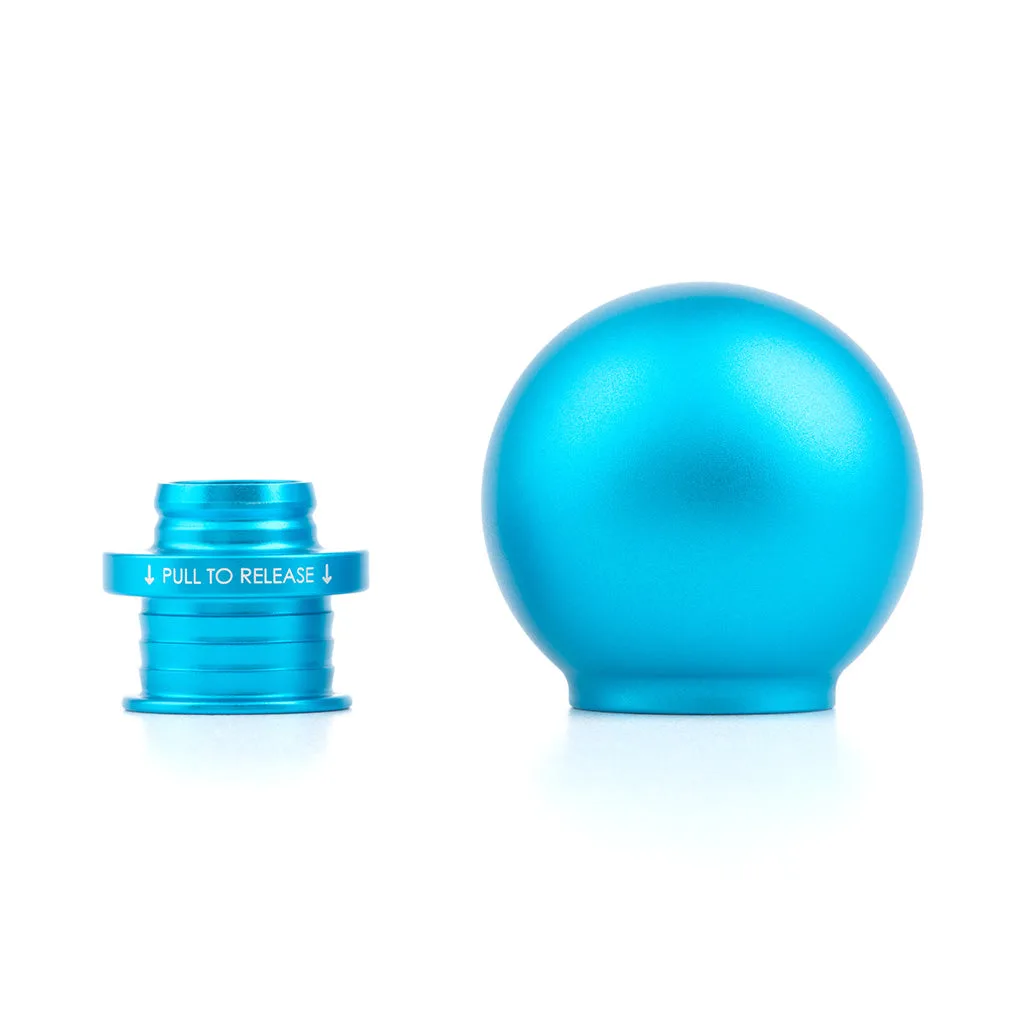
A surprising share of integra shift knob noise comes from the boot, not the knob. If the shift boot collar is missing, cracked, or sitting loose, the boot fabric and the knob base can contact each other and buzz at certain RPM. Knobs with a built-in or detachable collar, such as the POCO Low-Profile, address this directly by connecting the boot to the knob and holding it in place.
If you already run a knob without a collar, check whether the boot is sagging onto the lever. A small zip tie or a replacement collar can silence the noise without changing the knob.
Weight and Height Change How Much You Feel
A very light knob has less mass to absorb vibration, so more of it reaches your hand. Heavier knobs damp that energy. The ESCO-T6 weighs approximately 185 grams, and the POCO Low-Profile also comes in at 185 grams, which is enough mass to calm most idle buzz without making the shifter feel sluggish.
Height matters too. A low-profile knob sits only 3-4mm above the top of the threaded lever, which shortens the lever above the pivot and typically reduces shift throw by 5%-10% compared to a stock knob. Less exposed lever above the pivot also means less length to resonate.
Temperature and Material Affect Perceived Noise
Metal knobs transmit more vibration and feel hot or cold depending on the season. If your complaint is a constant tingle rather than a distinct rattle, an insulated knob with an Acetal outer shell over a stainless steel core, like the POCO Insulated Low-Profile in Red, reduces both vibration transfer and temperature extremes. That is a comfort fix, not a mechanical repair, so treat it as the last step after thread and collar checks.
Rattle Diagnosis by Symptom
- Buzz that tracks engine RPM: Vibration is transferring through a light or hard knob. Confirm the knob is fully seated on the M10x1.5 thread, then consider a heavier knob around 185 grams or an insulated design. If gripping the knob stops the buzz, the fix is in the knob, not the gearbox.
- Rattle over bumps or at idle only: Check the shift boot collar and surrounding trim. A missing or loose collar lets the boot and knob base contact each other. Replace or reseat the collar before spending money on a new knob.
- Wobble you can feel by hand: The knob is not gripping the thread. Spin it down by hand and check for cross-threading, a bottomed-out collar, or worn lever threads. If the thread is worn, repair the lever or use a thread insert. A new knob will not fix stripped threads.
- Noise continues after tightening and collar checks: The source is likely internal to the shifter mechanism or the transmission, not the knob. Stop here and have the linkage inspected. Do not keep buying knobs to chase a noise that is not in the knob.
Knobs That Address Rattle and Vibration
- ESCO-T6 Shift Knob in Satin Purple Finish (M10X1.5): Classic ESCO shape in 6061-T6 aluminum, approximately 185 grams, 70mm tall, 40mm wide, with a satin purple anodized finish and laser-etched 6-speed Honda/Acura gear pattern. The 185-gram mass helps damp idle buzz, and the laser-etched Honda/Acura pattern suits Civic and Integra 6-speed applications.
- POCO Low-Profile Shift Knob in Satin Teal Finish (M10X1.5): Sits only 3-4mm above the top of the threaded shift lever, typically reduces shift throw by 5%-10% versus a stock knob, and includes a built-in shift boot collar. 6061-T6 outer shell with stainless steel core, 185 grams. The built-in collar secures the boot and removes a common source of rattle, while the low height shortens the lever above the pivot.
- POCO Insulated Low-Profile Shift Knob in Red (M10X1.5): Acetal outer shell over a stainless steel core, low-profile mounting that typically reduces shift throw by 5%-10%, and a detachable aluminum shift boot collar. The Acetal shell limits how hot or cold the knob feels and reduces vibration transfer, while the detachable collar keeps the boot attached and adjustable.