Quick answer
Vibration loosening on a bench mill usually starts at a missing or undersized handwheel bolt, a flattened spring, or a crank wheel that no longer fits its shaft. Replace the fastener and spring first, check that the handwheel or crank wheel seats fully, and only then look at balance or power-feed alignment. If the bolt is already stretched or the bore is worn, stop tightening and replace the part.
Symptom: the handwheel or crank wheel wobbles and the bolt backs out
A handwheel that rocks under load and sheds its mounting bolt is the classic vibration-loosening complaint on bench mills and lathes. The bolt is not failing because it is weak; it is failing because the joint is moving. Every time the handwheel shifts, the bolt loses preload and the threads walk. Check for a missing slot-drive bolt, a bolt that has been reused after stretching, or a shaft that no longer lets the wheel sit flat.
Likely cause: wrong or worn fastener, not enough preload
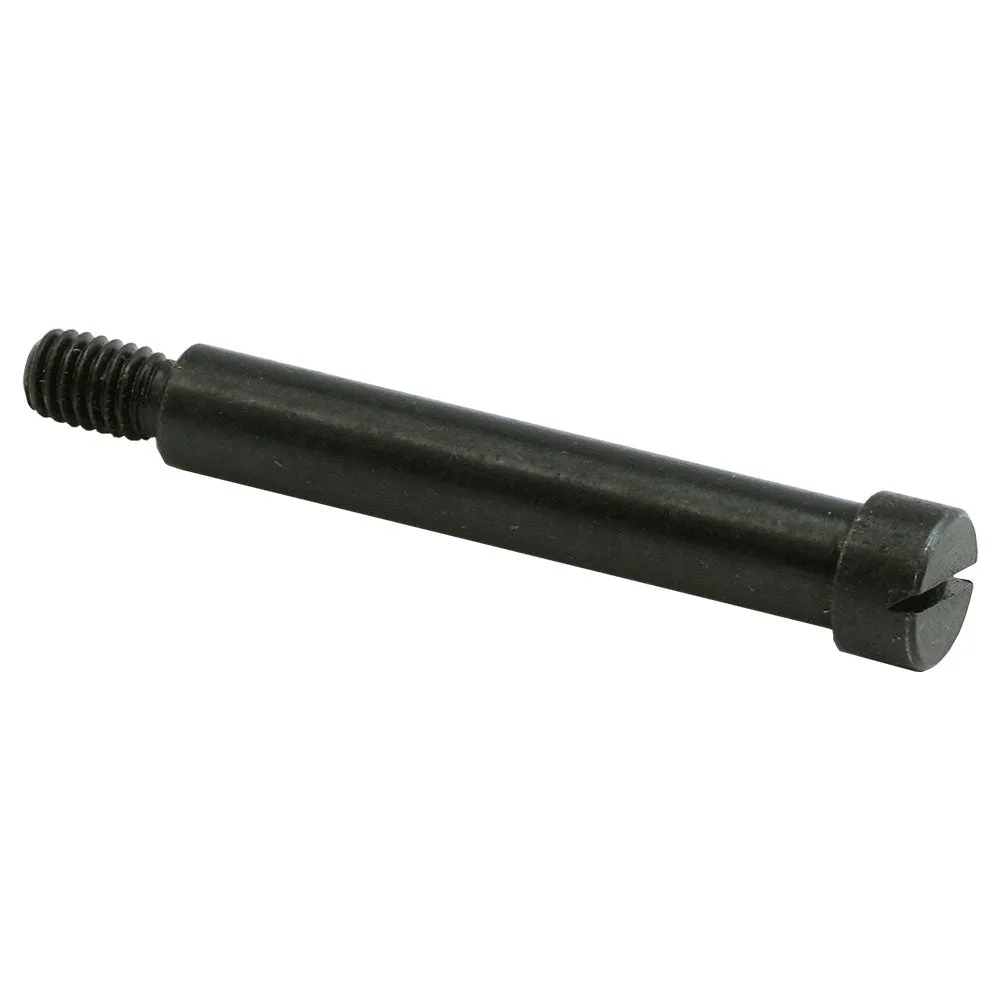
The mounting bolt has to match the shaft and the wheel counterbore. A bolt with the wrong shaft length or thread will bottom out or sit proud, so the wheel never clamps. On many lathe and micro mill handwheels, including the tailstock hand wheel of the SC4 bench lathe and HiTorque bench lathe, the correct fastener is a slot-drive bolt with M6 threading, a 7.75 mm shaft, and 55 mm overall length. If the bolt you have does not match those dimensions, it cannot hold preload and will keep loosening.
Corrective action: replace the bolt and re-seat the wheel
Remove the handwheel, clean the shaft and bore, and fit a fresh bolt that matches the original dimensions. Seat the wheel fully before tightening, then snug the bolt and re-check after the first few minutes of running. Do not chase the problem with threadlocker until the mechanical fit is correct; threadlocker on a loose joint just hides the movement.
Symptom: springs go flat and the lever or detent loses tension
When a mill or lathe spring flattens, the symptom is not a loose bolt but a lever, detent, or return mechanism that no longer holds position. The machine then vibrates more because the mechanism is free to rattle. Spring replacement is a wear item, not a tuning adjustment. Measure the old spring, match the wire diameter and free length, and replace it rather than stretching it back.
Corrective action: check crank wheel clearance before adding power feed

crank wheel clearance
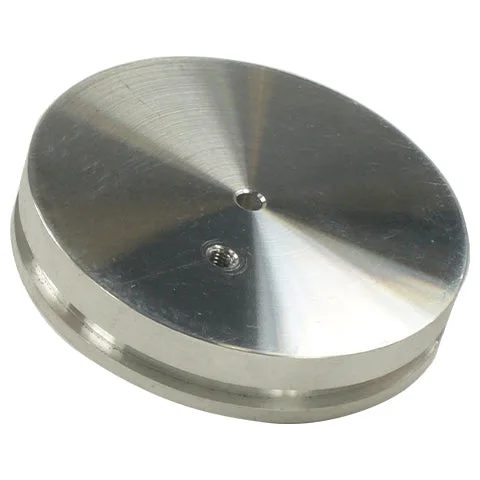
On model engines and small accessories, a crank wheel that rubs or fits loosely will transmit vibration into the fastener. A 50 mm diameter by 10 mm wide aluminum crank wheel designed for the HAE02 horizontal Stirling engine is a clearance item, so confirm diameter, width, and shaft fit before ordering. If the wheel is not the source of the looseness, do not replace it just to chase vibration.
When to stop and choose another option
Stop and reassess if the bolt hole is stripped, the shaft is worn undersize, or the handwheel bore is oval. Those are not fastener problems, and a new bolt or spring will not fix them. If you have already replaced the bolt and spring and the joint still moves, the next step is to inspect the shaft and bore, not to add more torque. Over-tightening a small bolt into a worn bore damages the thread and makes the next repair harder.
Diagnosis: match the symptom to the fix
- Handwheel bolt keeps backing out: Check that the bolt matches M6 threading, 7.75 mm shaft, and 55 mm overall length, and that the wheel seats flat before tightening. Replace the bolt if dimensions are wrong or the bolt has been reused after stretching.
- Lever or detent loses tension and rattles: A flattened spring is a wear item; measure free length and wire diameter and replace rather than stretch. If tension returns but vibration remains, look at the wheel and shaft fit next.
- Crank wheel or accessory wobbles: Confirm diameter, width, and shaft fit; a 50 mm by 10 mm aluminum wheel must seat fully on its shaft. If the bore or shaft is worn, stop and replace the worn part instead of tightening the fastener.
- Vibration appeared after a power-feed change: Check the Z-axis power lift motor mounting and drive alignment on HiTorque deluxe large bench mills and SIEG SX3.5 mills. If alignment is correct and the joint still moves, the bolt or spring is the next suspect.
Parts that solve the common vibration-loosening points
- Bolt, Handwheel 6 mm: Bolt, Handwheel 6 mm: M6 threading with a 7.75 mm shaft, 55 mm overall length, slot drive, used on numerous lathe and micro mill handwheels and the tailstock hand wheel of the SC4 bench lathe including the HiTorque bench lathe. Matching these dimensions restores clamping preload so the handwheel stops walking and backing out the bolt.
- Crank Wheel CLEARANCE: Crank Wheel CLEARANCE: 50 mm diameter by 10 mm wide aluminum crank wheel designed for the HAE02 horizontal Stirling engine, offered while supplies last. A correctly sized and seated crank wheel removes the play that feeds vibration into the mounting fastener; check fit before assuming the bolt is at fault.
- Motor, Z-Axis Power Lift, HiTorque Bench Mill Deluxe: Motor, Z-Axis Power Lift, HiTorque Bench Mill Deluxe: Z-axis power lift motor for the HiTorque deluxe large bench mill and SIEG SX3.5 large bench mills with a power lift on the Z-axis drive. If vibration loosening appears after adding or servicing a power lift, verify the motor and drive are aligned and mounted correctly rather than tightening the handwheel bolt further.