A good knife set is the backbone of any kitchen, but even the finest blades lose their edge if stored or cared for improperly. Whether you own a single chef’s knife or a full set, following best knife care practices will keep your tools sharp, safe, and ready to use. This guide covers everything from daily cleaning to long-term storage, so you can protect your investment and enjoy effortless prep for years.
Many home cooks focus on sharpening but overlook the basics: how you store and handle your knives matters just as much. With a few simple habits, you can avoid nicks, rust, and dullness—and make your time in the kitchen more enjoyable.
Why Proper Knife Storage Matters
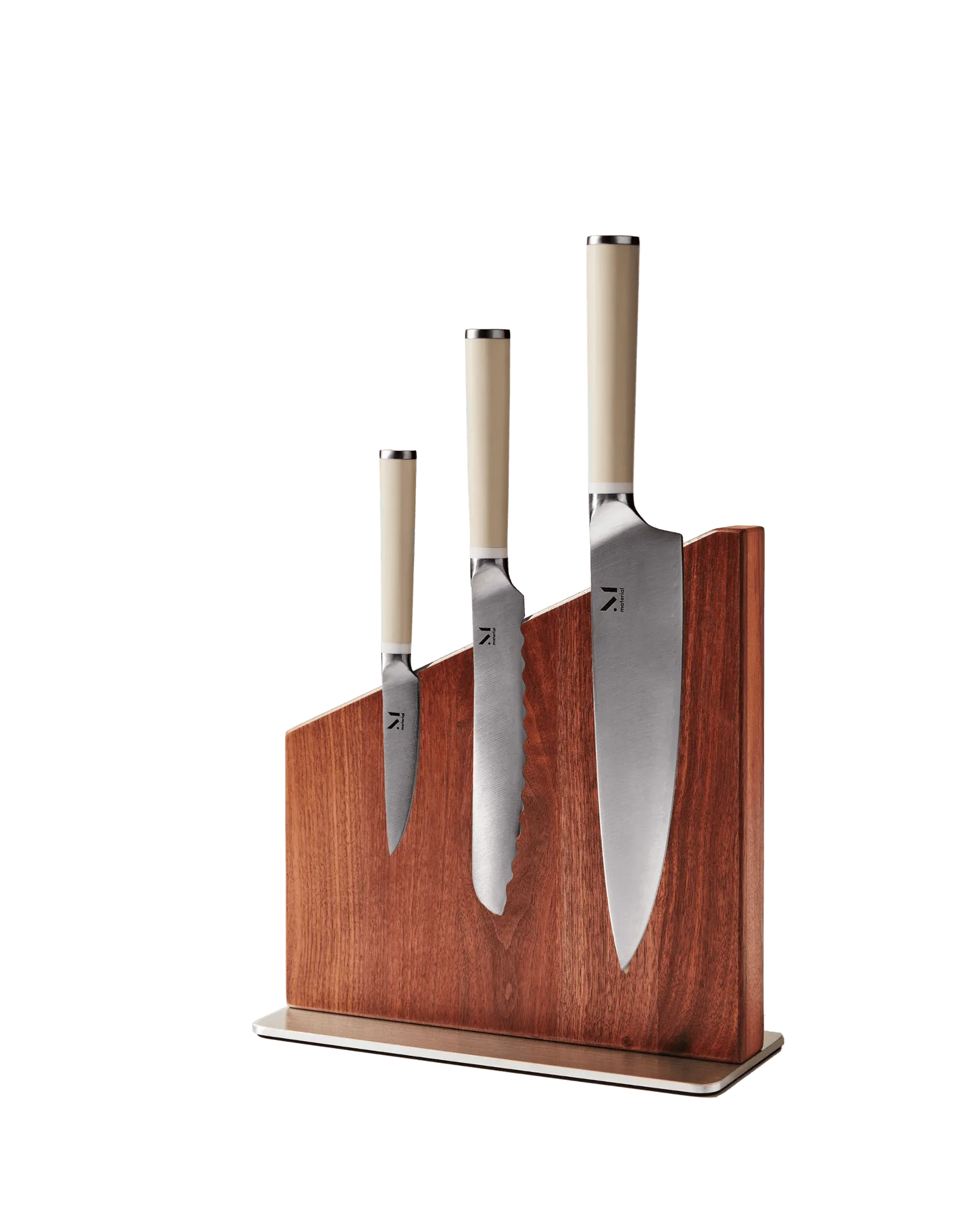
Storing knives loosely in a drawer is a common mistake that leads to dull edges and accidental cuts. When blades knock against other utensils, they develop micro-chips and lose their factory sharpness. Good knife set storage protects both the blade and you. Options like magnetic strips, knife blocks, or edge guards keep each knife separated and secure.
For those who prefer a minimalist look, a magnetic strip mounted on the wall saves counter space and keeps knives visible. If you have a dedicated prep area, a knife block with individual slots works well. The key is to avoid any storage method that lets blades touch each other or hard surfaces.
- Always store knives with the blade edge facing up on a magnetic strip to prevent dulling from contact with the strip surface.
Daily Cleaning: The Foundation of Knife Maintenance
Hand washing is non-negotiable for quality knives. Dishwashers expose blades to high heat, harsh detergents, and jostling that can warp handles and corrode steel. Instead, wash each knife by hand with mild soap and warm water, then dry immediately with a soft cloth. Never let knives soak, as moisture can seep into the handle and cause swelling or rust.
For stubborn food residue, use a non-abrasive sponge and avoid scrubbing the edge directly. A quick rinse and dry after each use takes less than a minute and prevents acidic foods like tomatoes or citrus from dulling the blade over time. This simple habit is one of the best knife care practices you can adopt.
- Dry knives immediately after washing to prevent water spots and potential rust on high-carbon steel blades.
Knife Maintenance Tips: Honing vs. Sharpening
Many people confuse honing with sharpening, but they serve different purposes. Honing realigns the blade’s edge without removing metal, keeping it straight and effective between sharpenings. Use a honing steel every few uses, especially if you prep frequently. Sharpening, on the other hand, grinds away metal to create a new edge and should be done only when the blade feels dull—typically every few months.
For home cooks, a simple pull-through sharpener or a whetstone with a medium grit is sufficient. If you own a high-end blade like The Almost 4 Knife, consider professional sharpening to preserve its geometry. Regular honing and occasional sharpening will extend the life of your knife set significantly.
- Hone your knife before each heavy prep session, but sharpen only when you notice resistance while slicing through a tomato or onion.
Prepware Storage: Integrating Knives with Your Workflow
Your knives are only part of your prepware ecosystem. Storing them near your cutting boards, mixing bowls, and other tools creates an efficient workflow. Consider a drawer organizer with dedicated slots for knives and smaller prepware like peelers or kitchen shears. This keeps everything in one place and reduces clutter on your countertops.
If you use a magnetic strip, position it above your main prep area so you can grab a knife without crossing the kitchen. For those who rotate between multiple knives, a knife roll or padded case offers portable storage and protection, especially if you cook in different locations or have limited counter space.
- Store knives away from heat sources and direct sunlight, as prolonged heat can weaken handle adhesives and warp wooden handles.
Handling and Usage Habits That Protect Your Blades
How you use a knife affects its longevity. Always cut on a soft surface like wood or plastic—never on glass, stone, or metal. Hard surfaces dull blades instantly. Also, avoid using your knife as a can opener or pry tool; that’s what dedicated tools are for. The edge is designed for slicing, not twisting or prying.
When passing a knife to someone, offer the handle first and keep the blade pointed away from both of you. This simple safety habit also prevents accidental drops that can chip the tip. By treating each knife with respect during use, you reduce the need for frequent sharpening and prolong its life.
- Use a separate knife for cutting bones or frozen foods to avoid chipping the edge of your primary chef’s knife.
Long-Term Care for Knife Handles and Blades
Wooden handles require occasional conditioning with mineral oil or beeswax to prevent drying and cracking. Apply a thin coat every few months, especially if you live in a dry climate. For synthetic handles, occasional wiping with a damp cloth is usually enough. Stainless steel blades are low-maintenance, but carbon steel knives need immediate drying and a light oil coating to prevent rust.
Inspect your knives regularly for loose rivets or cracks in the handle. Tighten any loose screws on folding knives and check that the blade sits firmly in the handle. If you notice significant damage, consult a professional before using the knife again. Consistent care keeps your knife set safe and functional for decades.
- For wooden-handled knives like those in the French Country Cutlery set, apply mineral oil every three months to maintain the wood’s luster and prevent moisture damage.
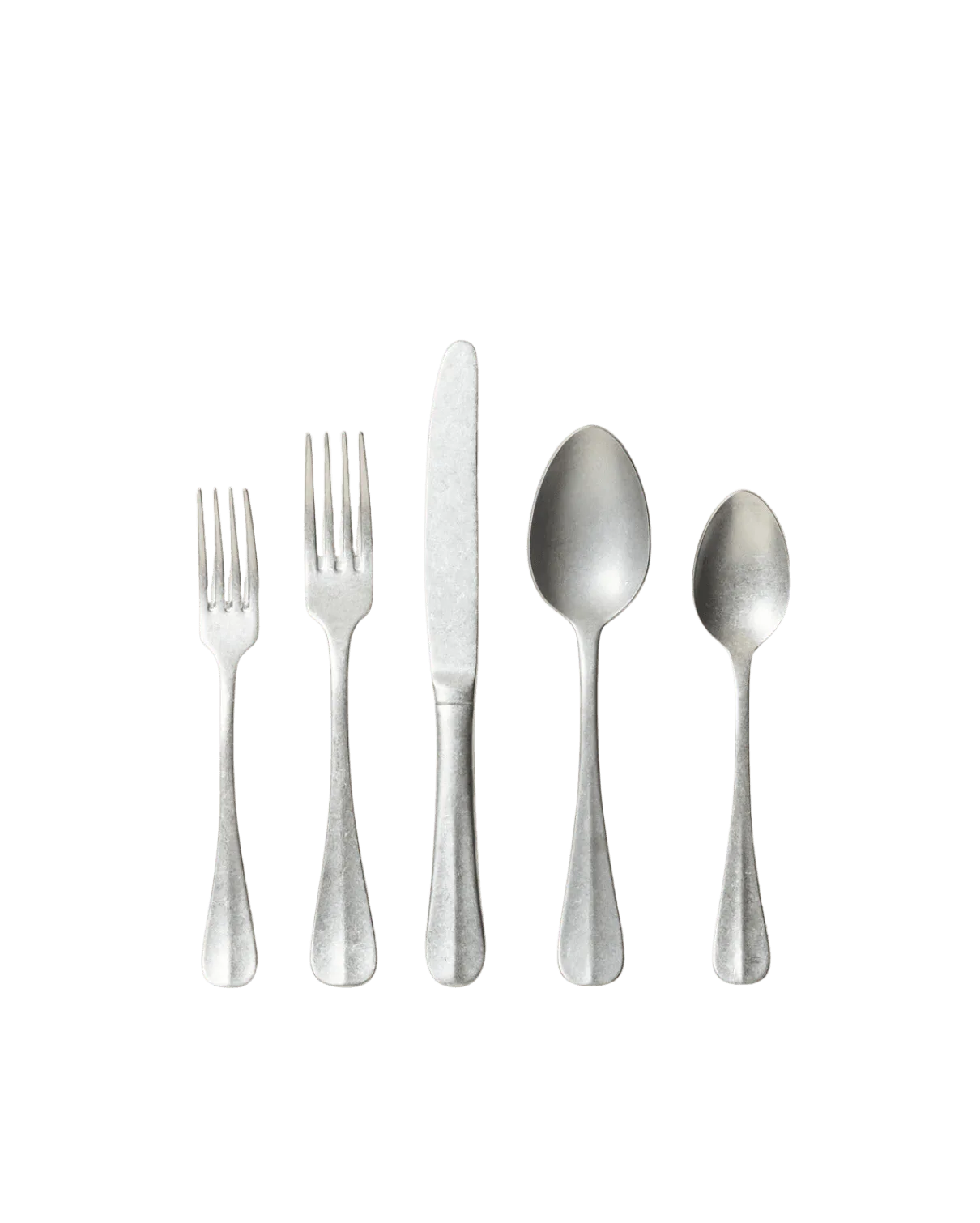
French Country Cutlery
By adopting these storage and care habits, you’ll keep your knife set in top condition and make every prep session safer and more enjoyable. A few minutes of daily attention—proper storage, gentle cleaning, and occasional honing—will reward you with sharp, reliable blades that last a lifetime.