Ceramic dinnerware brings warmth and durability to everyday meals, but even the best-made plates and bowls need a little attention to stay beautiful. Whether you’ve just invested in a new set or are looking to protect a beloved collection, a few simple storage and care habits can make all the difference. Chips, cracks, and faded glazes are often the result of how we stack, wash, and store our pieces — not how often we use them.
In this guide, you’ll find practical advice for ceramic dinnerware storage, care for ceramic plates, and chip prevention. No complicated rules, just straightforward tips that work with your daily routine. From stacking techniques to washing methods, these ideas will help your Dinner Plate Set of 4 and other pieces stay in great shape for years.
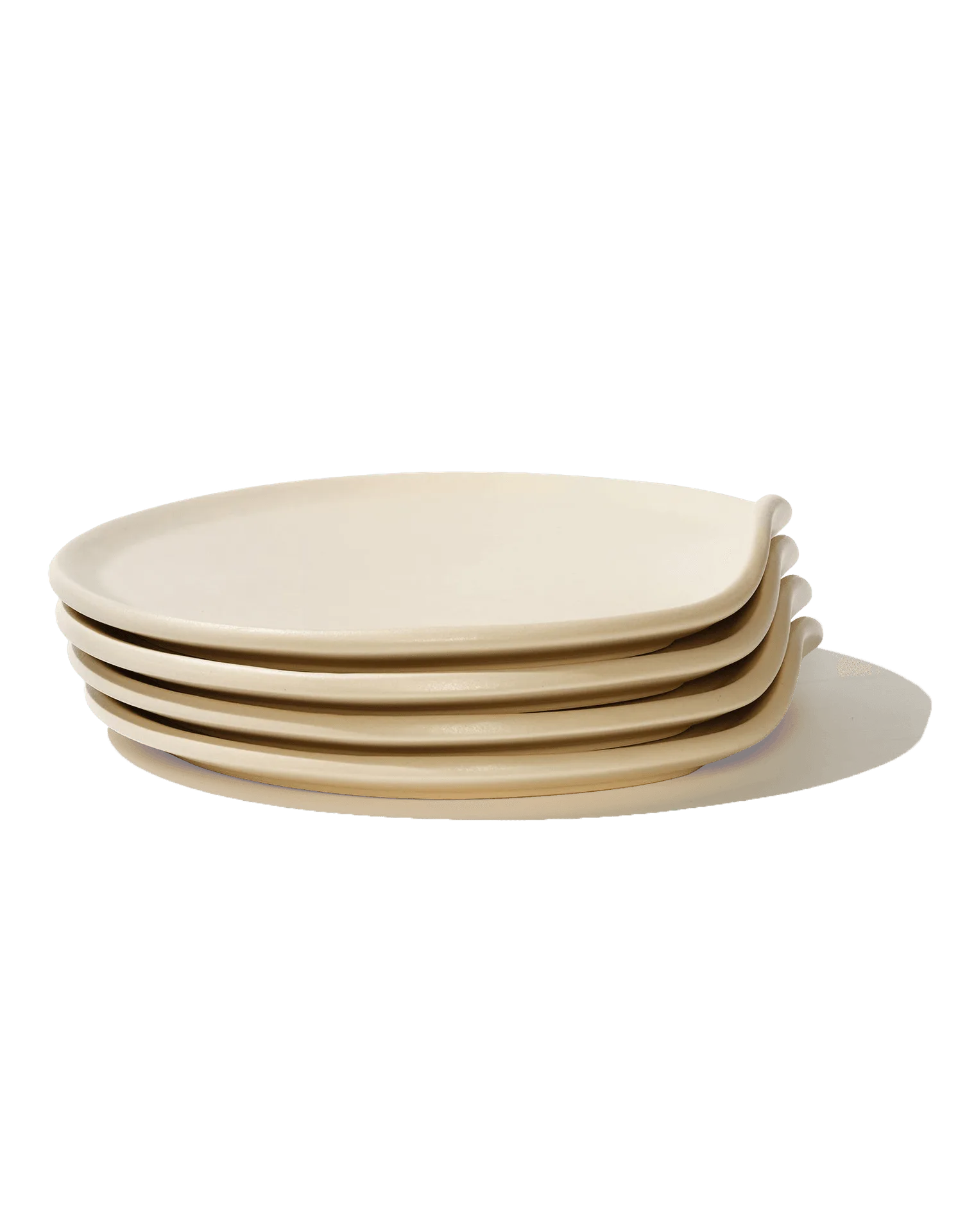
Dinner Plate Set of 4
Stacking Without the Stress: Preventing Chips and Scratches
One of the most common causes of chipped ceramic dinnerware is careless stacking. When plates are piled directly on top of each other, the rims and glaze can rub together, creating tiny scratches that weaken the surface over time. To avoid this, place a soft barrier between each plate. Felt pads, paper plates, or even a clean kitchen towel work well. This simple step is one of the most effective chip prevention techniques you can adopt.
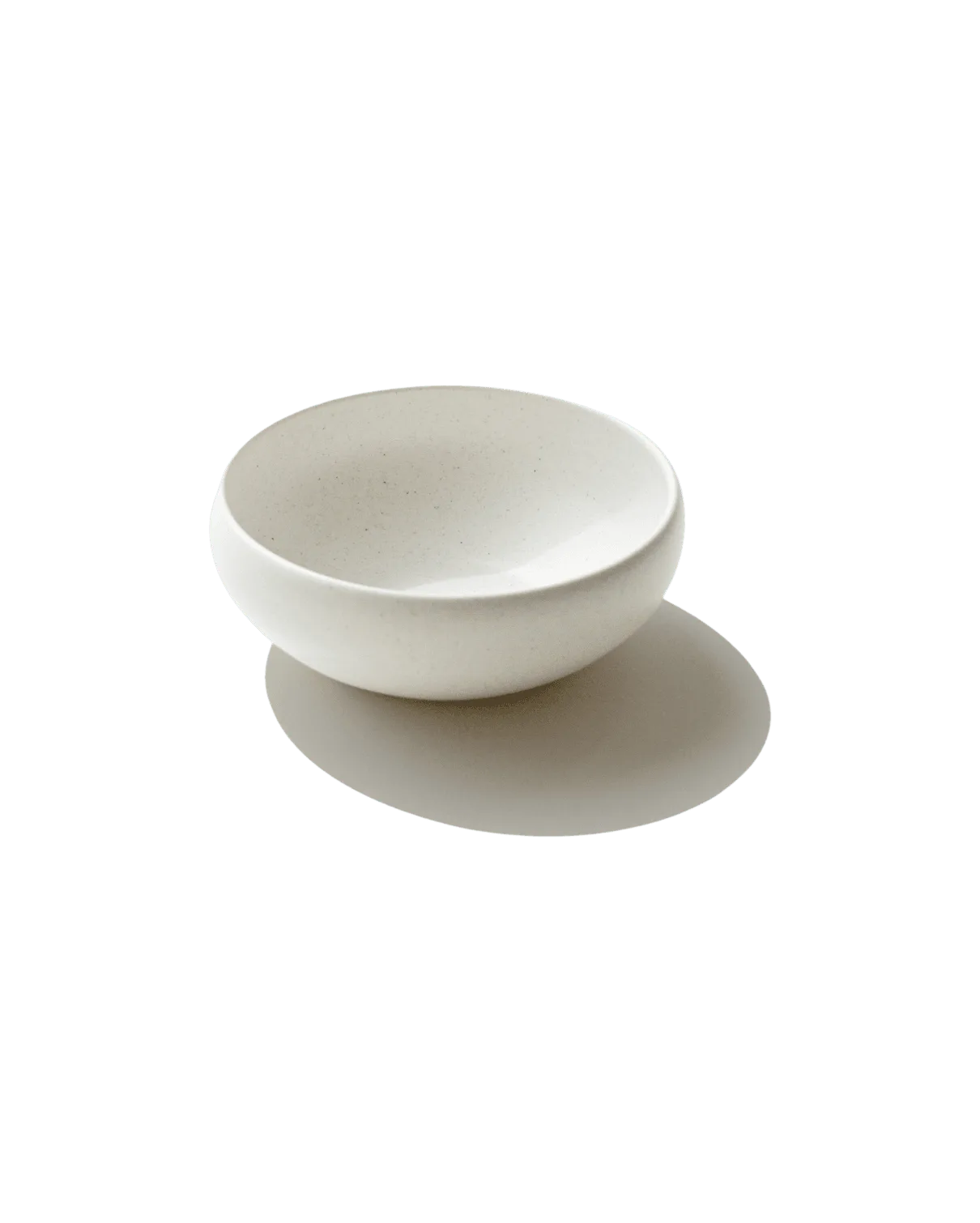
For bowls and deeper pieces, avoid nesting them too tightly. The curved edges are especially vulnerable to pressure points. If you must stack bowls, place a cloth or a piece of felt between each one. And remember: never stack more than six to eight dinner plates in a single pile. The weight of a tall stack can stress the bottom pieces, leading to hairline cracks that are hard to spot until they grow.
- Use felt pads or paper plates between each ceramic plate when stacking.
- Limit stacks to six to eight plates to reduce weight pressure.
- Store bowls with a soft barrier between them to prevent rim damage.
Washing by Hand vs. Dishwasher: What Works Best
While many ceramic dinnerware pieces are labeled dishwasher-safe, hand washing is gentler on the glaze and edges. The high heat and strong detergents in dishwashers can gradually dull the finish, especially on hand-painted or matte glazes. For care for ceramic plates that you want to keep looking like new, a quick hand wash with mild soap and a soft sponge is your best bet. Avoid abrasive scrubbers — they can leave micro-scratches that collect stains.
If you do use the dishwasher, take a few precautions. Place plates vertically in the rack so they don’t knock against each other, and use a gentle cycle with a low-heat drying option. Let pieces cool completely before removing them — thermal shock from sudden temperature changes is a common cause of cracks. The same rule applies to hand washing: never transfer a hot plate directly into cold water.
- Hand wash with mild soap and a soft sponge to preserve the glaze.
- If using a dishwasher, place plates vertically and choose a gentle cycle.
- Let dinnerware cool before washing to avoid thermal shock.
Organizing Your Cabinet for Long-Term Storage
How you arrange your cabinet directly affects the lifespan of your ceramic dinnerware. Heavy dinner plates should go on the bottom of a stack, with lighter salad plates and bowls on top. If you have open shelving, consider using plate stands or vertical dividers to keep pieces separated. This not only prevents chips but also makes it easier to grab what you need without disturbing the entire stack.
For special pieces like the Serve Platter or The Goun Noodle Bowl, store them separately rather than stacking them under other items. Platters are especially prone to edge chips because of their wide, flat shape. A simple felt-lined drawer or a dedicated shelf can keep them safe. And if you’re storing dinnerware for a long period — say, seasonal pieces — wrap each item in acid-free tissue paper and place them in a sturdy box with padding.
- Store heavier plates at the bottom of stacks, lighter ones on top.
- Use plate stands or dividers on open shelving to prevent contact.
- Wrap seasonal or infrequently used pieces in acid-free tissue paper.
Daily Habits That Extend the Life of Your Dinnerware
Small daily choices add up when it comes to ceramic dinnerware storage and care. For example, avoid sliding plates across the counter or table — always lift them. Sliding creates micro-abrasions that dull the glaze over time. Also, be mindful of metal utensils. While ceramic is hard, repeated scraping with a fork or knife can leave fine marks. Using wooden or silicone utensils is a gentler option, especially on glazed surfaces.
Another easy habit is to let your dinnerware air dry after washing. Stacking plates while they’re still damp can trap moisture between them, which may lead to mold growth on the glaze or, in rare cases, cause the glaze to weaken. A simple drying rack with enough space between pieces is all you need. And if you notice any chips or cracks, retire that piece from regular use — a damaged plate is more likely to break completely and can even scratch other pieces in the stack.
- Always lift plates instead of sliding them across surfaces.
- Let dinnerware air dry completely before stacking.
- Retire chipped or cracked pieces to prevent further damage.
Caring for ceramic dinnerware doesn’t require special products or hours of maintenance. A few thoughtful habits — like using soft barriers between stacks, hand washing with care, and organizing your cabinet wisely — will keep your collection looking beautiful for years. Whether you’re storing a single set or a mix of pieces like the Dinner Plate Set of 4 and The Goun Noodle Bowl, these tips help you enjoy every meal with plates that feel as good as they look.