Why a six-pack needs a plan, not just a drawer
A six-pack solves the problem of having a unit where you need one, but it creates a smaller problem: keeping track of six units that all look alike. The POM Snap Black 6-Pack puts six identical black units in one box, so without a simple storage and rotation habit, it is easy to lose one in a bag, forget which unit you checked last, or leave a spare sitting somewhere it will never be reached.
The routine below uses only what the supplied product record confirms: six compact POM Snap units, a snap design for one-handed operation, and suitability for personal safety and everyday carry. It does not assume a shelf life, a test interval, or storage conditions the record does not state. Treat it as an organizational framework you can adapt to your own carry habits.
What the 6-Pack actually gives you
-
POM Snap Black 6-Pack: Includes six POM Snap pepper spray units in a sleek black finish. Six units is enough to assign one to each regular carry context, which is the foundation of a rotation plan.
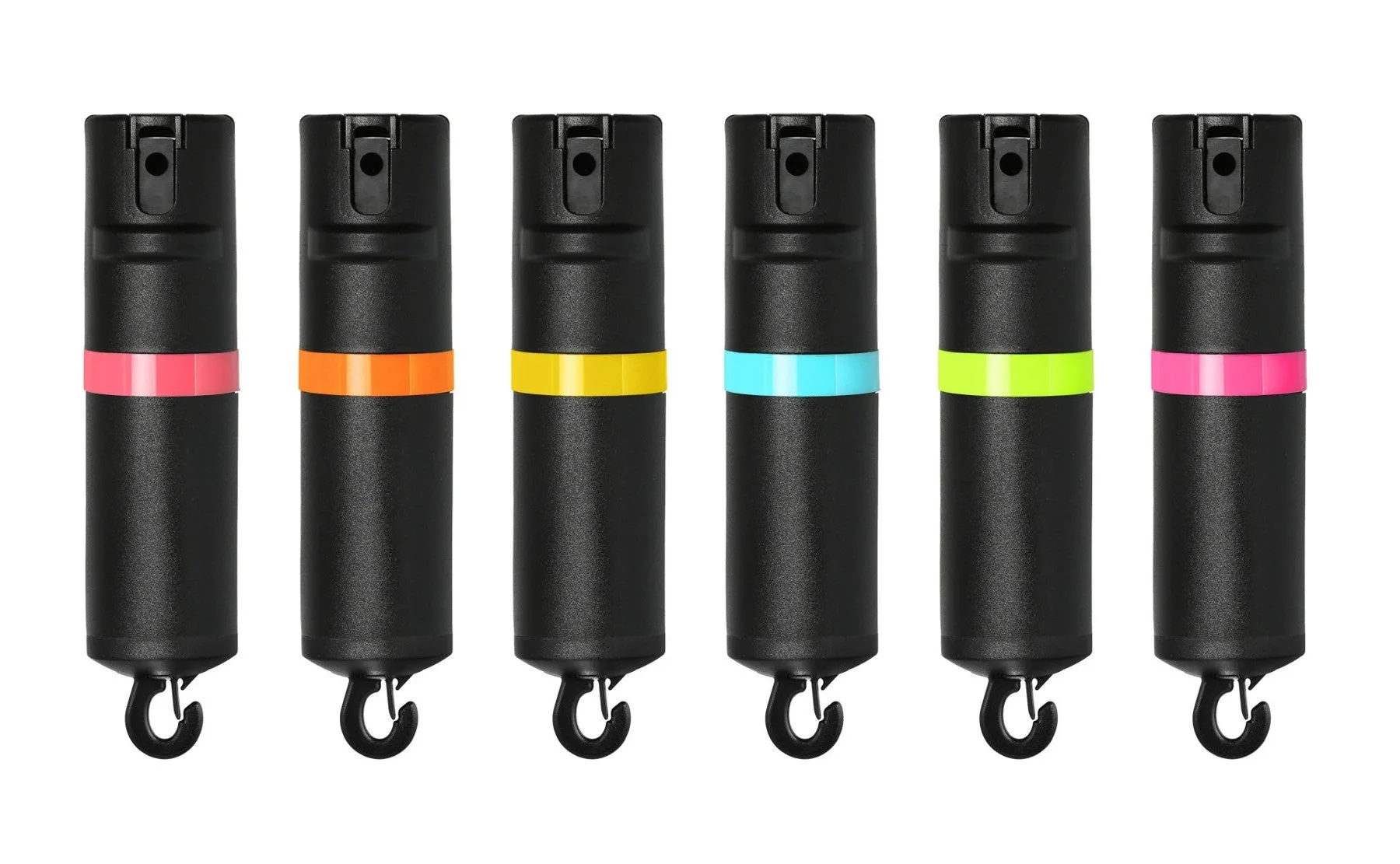
POM Snap Black 6-Pack
-
POM Snap Black 6-Pack: Compact snap design for simple, one-handed operation. The compact shape makes the units easy to tuck into a dedicated spot, but it also means they are easy to misplace without a fixed home.
-
POM Snap Black 6-Pack: Suitable for personal safety and everyday carry. This confirms the intended use is everyday carry, so storage should keep units accessible rather than sealed away indefinitely.
Set up your storage in four steps
Do this once, when the six-pack first arrives, so every unit has a known location from day one.
- 1. Unbox and count all six units: Confirm you have six POM Snap units before you put any into service. Counting at the start gives you a baseline for every later rotation check.
- 2. Assign each unit a role: Decide which units will be carried and which will stay as spares. A simple split is one for your primary bag, one for a secondary bag, one for a vehicle-adjacent kit if you use one, and the rest stored as replacements. The supplied record does not specify vehicle compatibility, so treat any vehicle spot as a personal choice rather than a manufacturer recommendation.
- 3. Give spares one fixed home: Keep unassigned units together in a single container or drawer that is dry and out of reach of children. Because the record does not supply storage temperature limits, avoid extreme heat or direct sun as a general precaution rather than a quoted specification.
- 4. Label the container, not the units: Mark the storage container with the date you put the six-pack into service. Labels on individual black units can rub off and make the set look mismatched; a single container label is easier to maintain.
Where to keep spare POM Snap units
The best spare location is one you will actually check. Use these as starting points and adjust to your routine.
- A dedicated drawer or hard box at home: Keeps all unassigned units together and makes the count easy. Choose a spot away from heat sources and household traffic.
- A pouch in your primary bag: Good for the unit you carry most. Keep it in the same pocket every day so you notice immediately if it is missing.
- A secondary bag or locker: Useful if you switch bags regularly. A unit that lives permanently in the second bag means you are never without one after a swap.
- Not loose in a pocket or purse: A loose unit is the one most likely to be lost or forgotten. The compact snap design is easy to carry, but it is also easy to overlook without a fixed pocket.
A simple rotation routine you can keep
Rotation does not require a complicated schedule. The goal is to make sure no unit sits unchecked for so long that you forget it exists. Pick a recurring moment you already have, such as the first of each month or the start of a new season, and run the same short check.
Start by gathering all six units in one place. Count them. Note which ones are in carry roles and which are spares. Then swap at least one carried unit with a spare so the roles change over time. This keeps wear spread across the set and forces you to handle every unit at least once per cycle. The supplied information does not include a recommended replacement interval, so base any replacement decision on your own inspection rather than a fixed date.
If a unit is missing during the count, treat that as the main finding of the check. Retrace your carry spots before assuming it is gone. A six-pack is only useful if the units stay accounted for.
What to look at during each rotation check
The supplied record does not list inspection criteria, so these are general handling checks, not manufacturer instructions.
- Count and identity: Confirm all six units are present. Because every unit is black, use position or container assignment to tell them apart rather than appearance.
- Snap action: The record describes a snap design for one-handed operation. Handle each unit and confirm the snap still moves as expected. If it does not, set that unit aside rather than forcing it.
- Carry spot condition: Check the pocket or pouch where each carried unit lives. Look for debris, moisture, or anything that could interfere with quick access.
- Storage area condition: Confirm the spare container is dry and has not been moved near a heat source. The record does not specify a storage temperature range, so use general household judgment.
What the supplied information does not settle
The product record confirms the count, finish, snap design, and everyday-carry suitability, but it does not include a shelf life, an expiration date, a storage temperature range, or a recommended rotation frequency. It also does not confirm vehicle compatibility or provide care instructions. Any schedule or location advice in this guide is organizational, not a manufacturer specification.
That matters for one practical reason: you should not treat a rotation calendar as a substitute for inspecting the units themselves. Use the routine to make sure every unit gets handled, and let what you see during handling drive any decision to retire a unit. If you need definitive care or replacement guidance, check the manufacturer's current documentation rather than relying on a general article.