Quick answer
Store almond meal in an airtight container away from heat and light, and refrigerate it for regular use within two to three months. For longer storage, freeze it in a sealed bag or jar and scoop out what you need without thawing the whole batch. If it smells like crayons, paint, or old oil, discard it — no amount of sifting or baking will fix rancid nut flour.
Why almond meal turns faster than wheat flour
Almond meal and other nut flours contain natural oils, while wheat flour is mostly starch with very little fat. Those oils react with oxygen and heat, which is why nut flours go stale and rancid far sooner than a bag of all-purpose flour. Blanched almond flour, made from almonds with the skins removed, has a slightly longer window than unblanched meal because the skins are not present to add extra bitterness as they age. The tradeoff is that blanched flour also has less fiber and a milder flavor, so it works best in delicate cakes and macarons rather than rustic bakes.
The container and location that actually work
Oxygen, light, heat, and moisture are the four things that shorten almond flour shelf life. A clear jar on an open shelf next to the stove hits all four. Instead, transfer the flour to a glass jar with a rubber gasket or a thick zip-top bag with the air pressed out, then choose a spot based on how fast you bake. The pantry works only if it stays cool and dark and you will finish the bag within about a month. The refrigerator is the better default for most home bakers. The freezer is best for bulk bags or seasonal baking.
- Label the container with the date you opened the original bag, not the date you bought it.
- Keep a small jar in the fridge for daily use and store the rest in the freezer to limit temperature swings.
- Never store nut flour in the door of the fridge or freezer, where temperatures fluctuate most.
- Let frozen almond meal come to room temperature in the sealed container before baking so condensation forms on the outside, not in the flour.
Symptom check: is it stale or actually rancid?
Stale almond meal smells flat and faintly cardboard-like, and baked goods made with it taste dull. Rancid almond meal smells sharp and unpleasant — often described as crayon, paint, or old frying oil — and the odor gets stronger when you rub a pinch between your fingers to warm it. Rancidity is a chemical change, not a texture problem, so you cannot sift it out, toast it away, or mask it with cinnamon and vanilla. A faint cardboard note is a sign to use the flour soon in a strongly flavored recipe; a sharp or sour smell means the batch is done.
How long each storage method really lasts
These windows assume an unopened or well-sealed package and a consistently cool storage spot. If your kitchen runs hot in summer, subtract a few weeks from each range. If you buy almond meal from a bulk bin, treat the clock as already started, because you do not know how long it sat exposed before you scooped it.
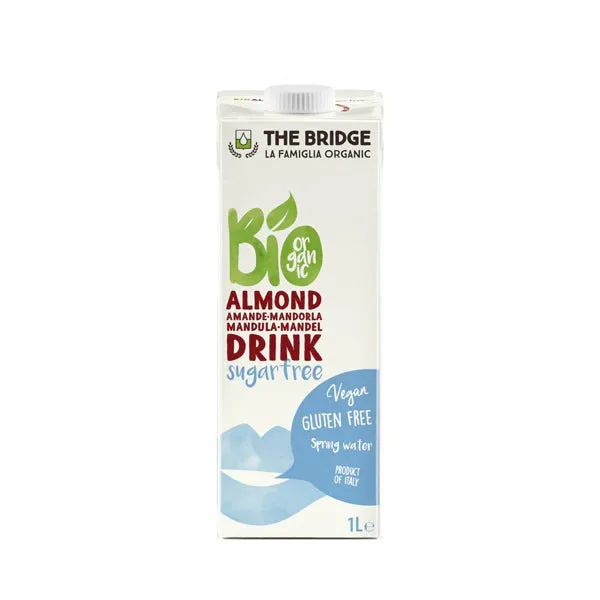
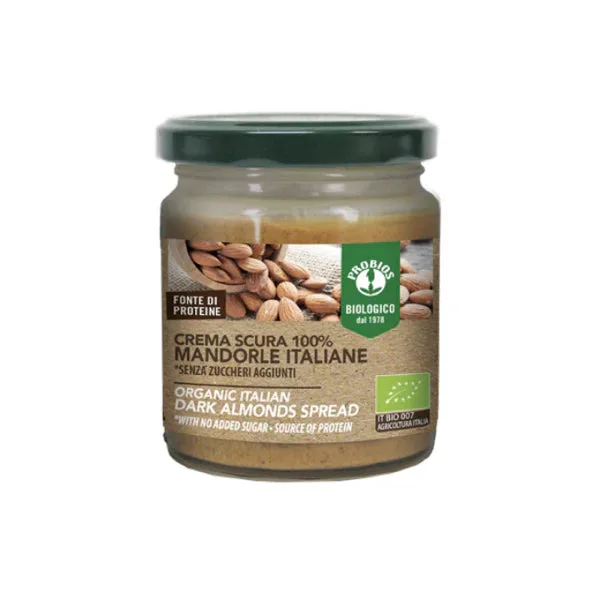
For the almond spread and almond drink in the same category, the rules differ. A jar of dark almond spread is more stable than loose flour because it is sealed and dense, but it still benefits from the fridge after opening to protect its roasted flavor. Almond drink is a perishable liquid once opened and belongs in the refrigerator, used within a few days of opening according to the package directions.
- Pantry, airtight and dark: about 1 to 2 months.
- Refrigerator, airtight: about 3 to 6 months.
- Freezer, airtight: about 6 to 12 months for best flavor.
- Bulk-bin almond meal: use within a few weeks regardless of method.
When to stop troubleshooting and replace the bag
Stop trying to rescue almond meal when it smells sharp, when it has clumped and stays clumped at room temperature, or when it has been open in a warm pantry for more than two months. Clumping alone can simply mean moisture, but clumping plus an off smell is a clear discard signal. If you bake with questionable flour and the result tastes bitter or soapy, do not blame your recipe or your oven — replace the flour and try again. Buying a smaller package more often is a legitimate strategy if you bake with nut flour only occasionally.
Almond meal storage diagnosis
- Smells like crayons, paint, or old oil: The oils have oxidized and the flour is rancid. This is a chemical change that heat, sifting, or strong spices cannot reverse. Discard the batch and replace it. Do not bake with it.
- Smells flat or faintly cardboard-like: The flour is stale but not yet rancid. Flavor in baked goods will be muted, especially in delicate recipes like macarons or sponge cakes. Use it soon in a recipe with cocoa, spice, or citrus that carries flavor. Do not save it for a showcase bake.
- Clumped and damp at room temperature: Moisture has entered the container, usually from a loose lid or from thawing frozen flour outside its packaging. If it also smells off, discard it. If it smells fine, sift it and use it promptly in a recipe where slight clumping is fine, such as pancakes.
- Fine smell and texture, but stored in a warm pantry for over two months: Rancidity may not be detectable yet, but the clock is running fast in warm conditions. Move the flour to the freezer now and plan to use it within the next month.
Product facts that affect storage
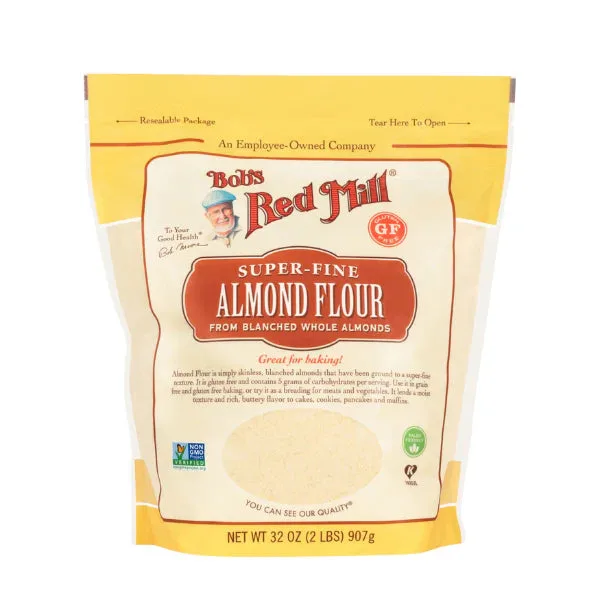
- Super Fine Blanched Almond Meal Flour (907g): Super Fine Blanched Almond Meal Flour is made from blanched California-grown almonds ground to a fine meal, and is labeled gluten free, dairy free, and egg free. Because the skins are removed, this flour has a milder flavor and no skin-derived bitterness, so off smells from rancidity are easier to detect. The 907g bag is large enough that freezer storage is worth setting up unless you bake weekly.
- Organic Gluten Free Dark Almonds Spread (200g): Organic Gluten Free Dark Almonds Spread is made by grinding roasted almonds with strict temperature control and no emulsifying agents, and is labeled gluten free, sugar free, and organic. No emulsifiers means the natural oils can separate, so stir before use and refrigerate after opening to slow flavor loss. It is a spread, not a flour, so do not substitute it for almond meal in baking.
- Organic Gluten Free Sugar Free Almond Drink (1L): Organic Gluten Free Sugar Free Almond Drink contains natural spring water, organic Italian almond paste at 3%, and organic locust bean gum, and is labeled gluten free, dairy free, sugar free, and organic. This is a perishable liquid, not a pantry-stable flour. Once opened, refrigerate it and follow the package use-by guidance rather than applying flour storage rules.