You've invested in quality cast iron—perhaps a smooth, lightweight skillet from Field Company. But how you store it between uses matters just as much as how you cook with it. Improper storage is the fastest route to rust, flaking seasoning, and dings that shorten your cookware's life.
Whether you're a seasoned cast iron enthusiast or new to caring for your first pan, adopting a few smart storage habits will save you from re-seasoning headaches. Let's walk through the practical steps to keep your cast iron in peak condition, ready for your next meal.
Clean and Dry Completely Before Storing
Moisture is public enemy number one for cast iron. Even a few drops left in a crevice can start rust overnight. After washing with hot water and a stiff brush or a Chain Mail Scrubber, dry the pan immediately with a lint-free towel. Then place it on a low burner for two to three minutes to evaporate any remaining moisture that towel can't reach.
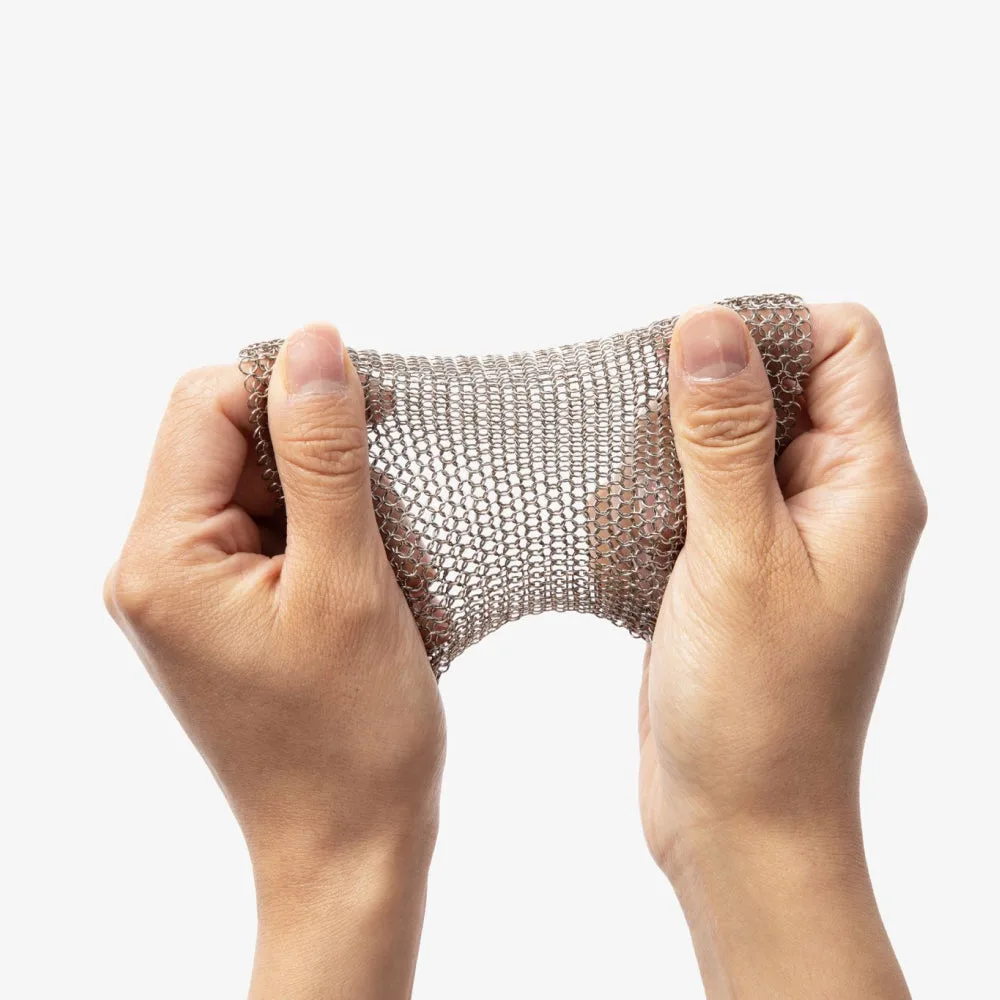
Chain Mail Scrubber
Never store a wet pan or put it away while still warm. Let it cool to room temperature before moving to the storage spot. If you've cooked something acidic, like tomatoes, re-season the surface with a light oil wipe-down before storing—this reinforces the seasoning layer.
- Always hand-dry thoroughly, then heat-dry on the stove for complete moisture removal.
Apply a Thin Layer of Oil for Protection
A light coating of oil acts as a moisture barrier and keeps the seasoning from drying out. Use a high-smoke-point oil with no additives—Field Company's Cast Iron Seasoning Oil is perfect because it's pure and polymerizes well. Apply a dime-sized drop to the interior and rub it over the entire cooking surface and the outer walls with a paper towel.
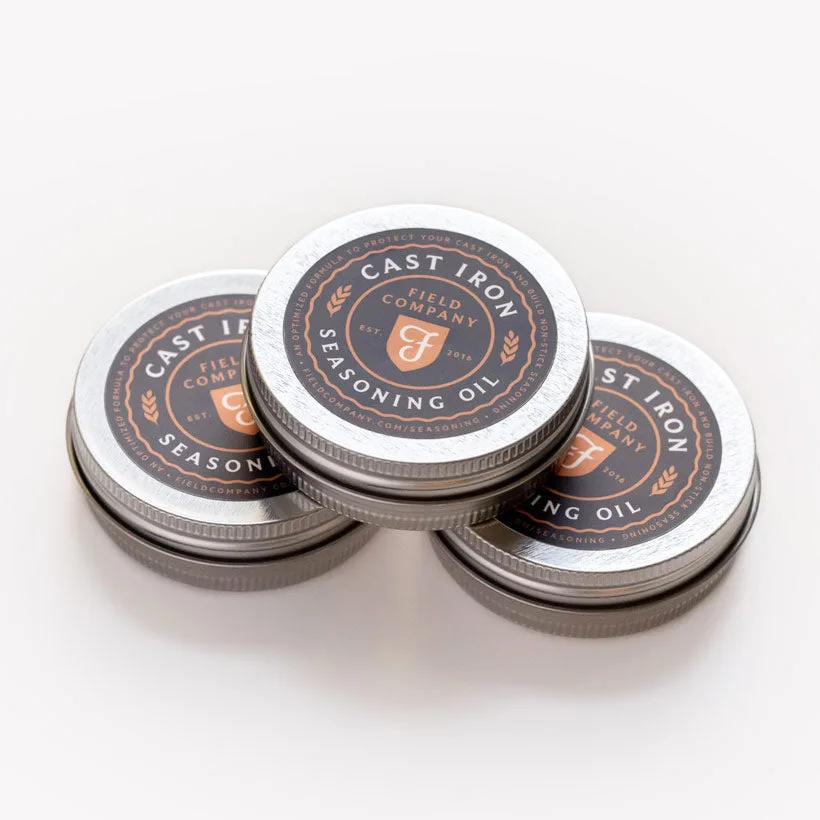
Cast Iron Seasoning Oil
Here's the trick: after oiling, take a clean, dry paper towel and wipe the pan again as if you're trying to remove the oil. That thin, nearly invisible layer is exactly what you want. Too much oil will turn sticky and attract dust, which can lead to a gummy surface. Sticky pans collect moisture and are harder to keep rust-free.
- Less is more when applying oil for storage—wipe it almost dry.
Pick the Right Storage Spot in Your Kitchen
Your cast iron needs a dry, stable environment. Avoid storing it above the stove if you can—steam and heat cycles encourage condensation. A cabinet away from the sink or dishwasher is ideal. If your kitchen tends to be humid, consider placing a silica gel packet near the pan to absorb ambient moisture.
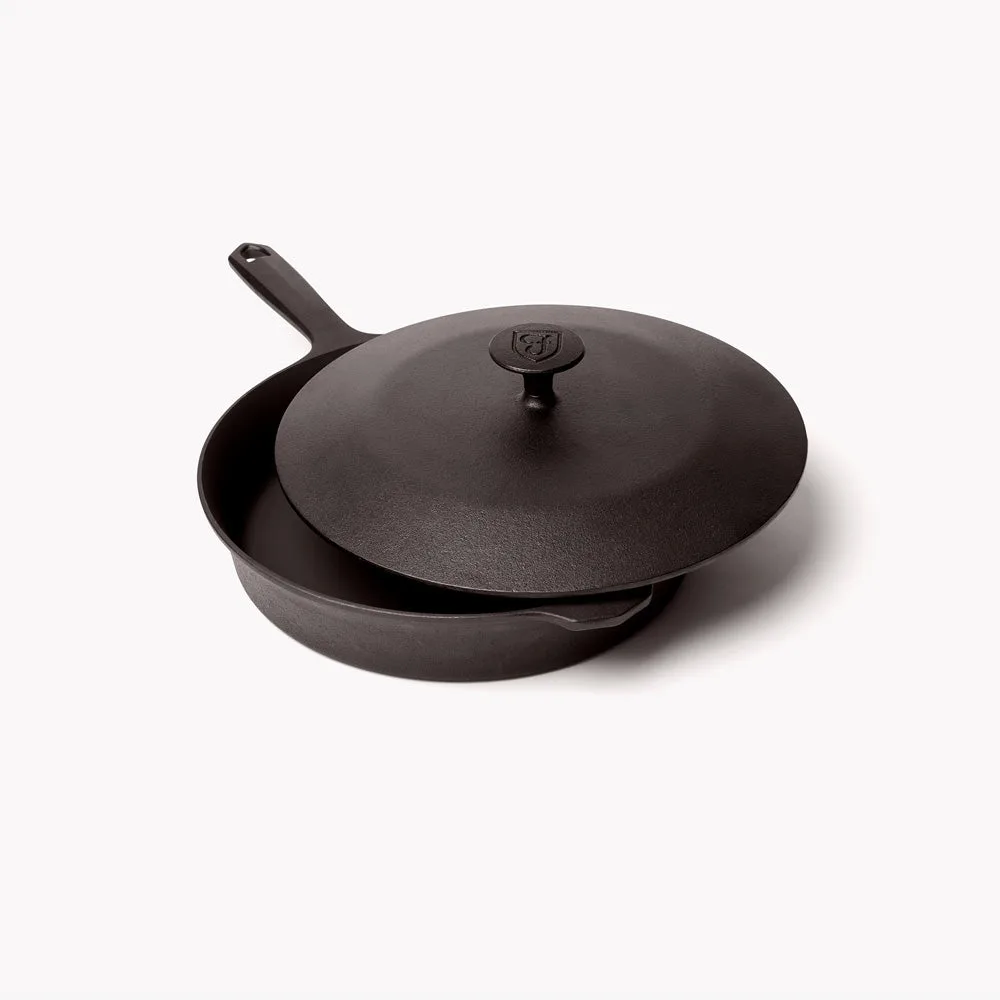
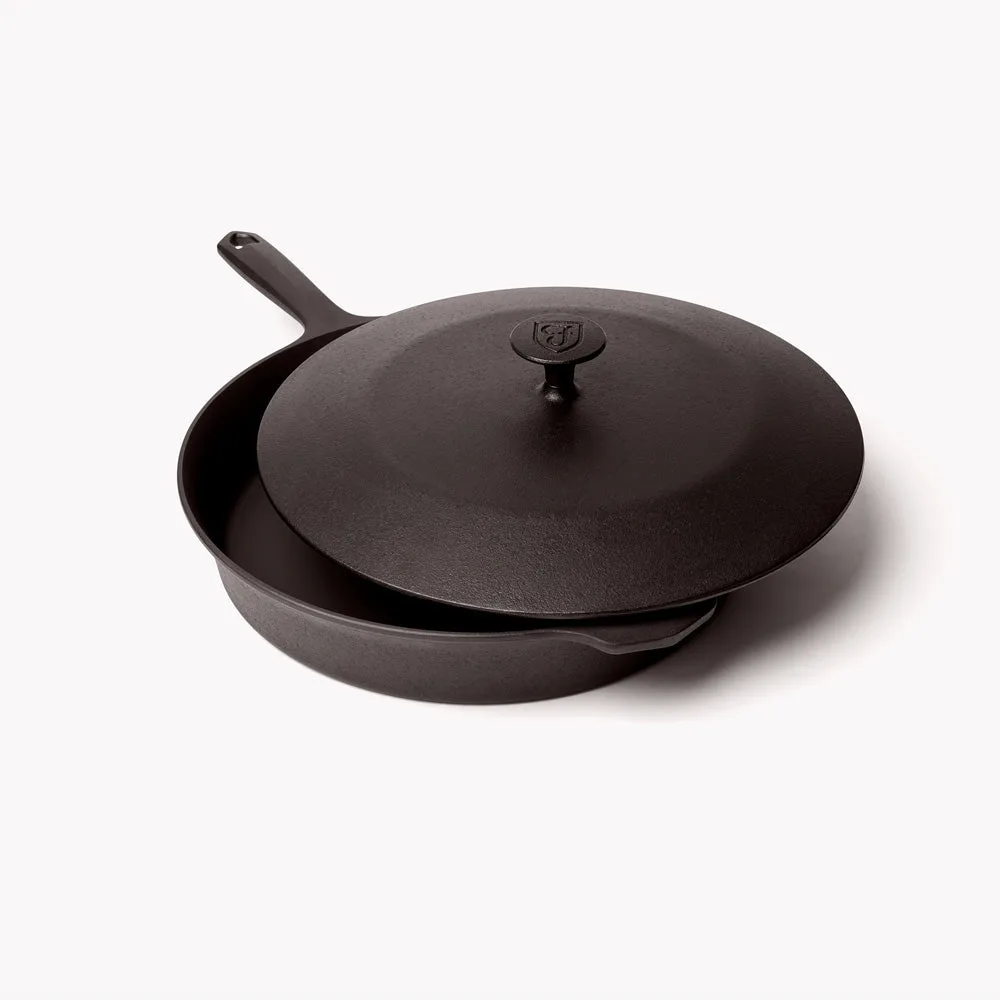
Stacking multiple pans is fine, but never nest them directly. Place a paper towel, felt liner, or a thin kitchen towel between each skillet to protect the cooking surface from scratches and to allow air circulation. For example, a No.5 Cast Iron Chef Skillet stores neatly inside a larger skillet with a barrier in between. This method prevents metal-to-metal contact that can damage the seasoning.
- Use a soft cloth or paper towel between stacked pans to protect the seasoning.
Long-Term Storage: Extra Steps for Infrequently Used Pieces
If you own multiple cast iron pieces and only rotate a few, the ones that sit unused for weeks or months need extra care. After cleaning and oiling, wrap each skillet in unbleached parchment paper or a cotton kitchen towel before placing it in a cabinet. The wrap absorbs slight moisture changes and keeps dust off the oiled surface.
Check stored pans every month or so, especially during seasonal humidity shifts. If you spot a tiny rust spot, scrub it off with a mild abrasive like the Chain Mail Scrubber, re-oil, and store again. Catching rust early means you avoid re-seasoning the whole pan. For the same reason, avoid airtight containers—cast iron needs to breathe slightly to prevent condensation buildup inside.
- Wrap infrequently used cast iron in breathable material like parchment or cotton.
Storing your cast iron correctly is a small ritual that pays off in years of reliable, rust-free cooking. Clean it, dry it completely, apply a whisper-thin layer of Cast Iron Seasoning Oil, and keep it in a dry spot with protection between stacked pieces. With these simple habits, your skillets will stay ready for anything—from a quick sear to a slow braise.