Quick Answer
To store jigsaw puzzles properly, keep pieces sorted in labeled bags or containers, store them flat in a dry place, and avoid rolling or folding. For finished puzzles, use puzzle glue or a roll-up mat to preserve them. Always check for missing pieces before storing.
Jigsaw puzzles are a beloved pastime, but they can quickly become a mess if not stored properly. Whether you're taking a break from a 1000-piece challenge or preserving a completed masterpiece, knowing how to store jigsaw puzzles is essential. Poor storage can lead to lost pieces, damaged cardboard, and frustration the next time you open the box.
In this guide, we'll walk you through the dos and don'ts of puzzle storage, offering practical tips to keep your puzzles organized and in great condition. From sorting pieces to using the right containers, you'll learn how to make puzzle storage a breeze.
Before You Store: Sort and Organize
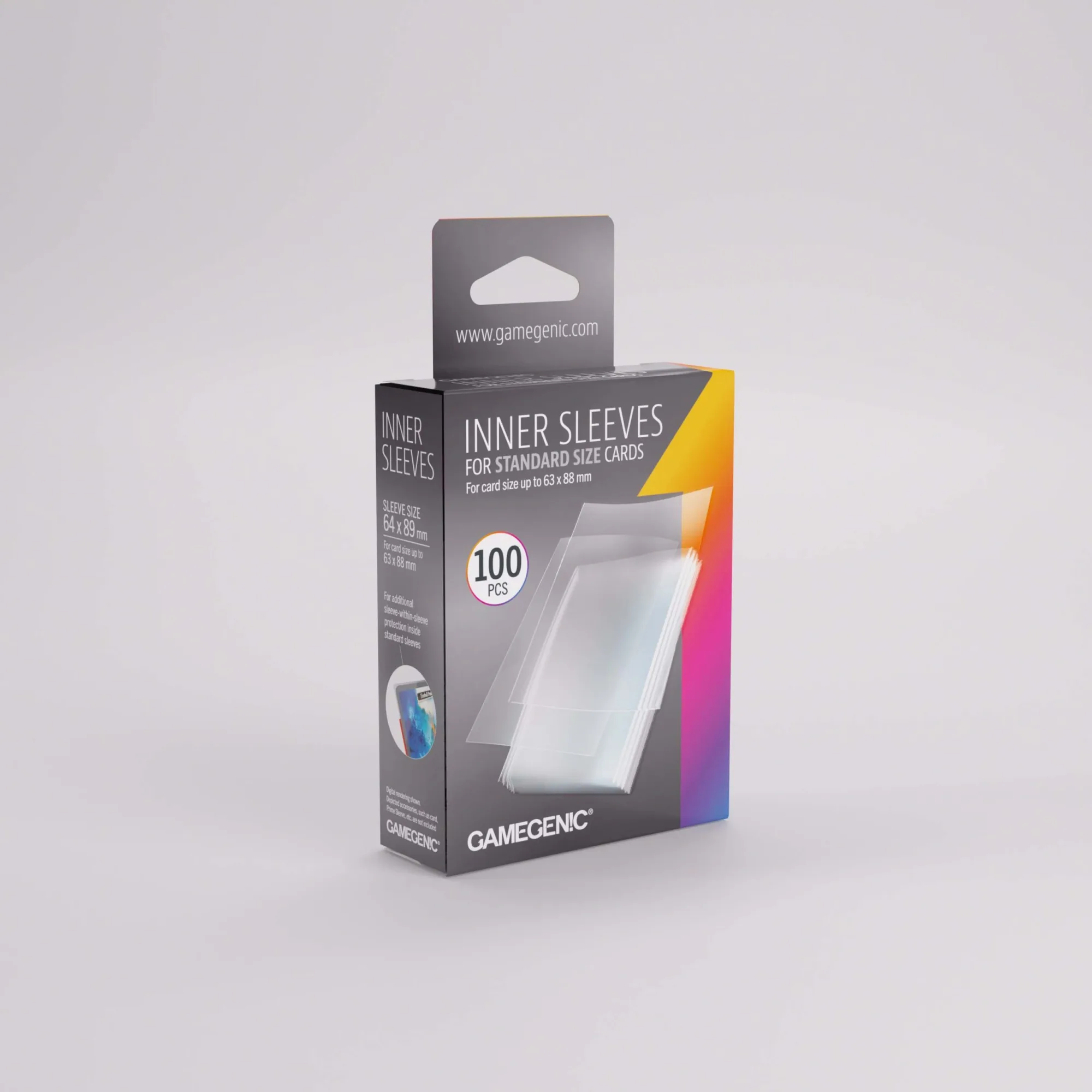
Before you put a puzzle away, take time to sort the pieces. Separate edge pieces from interior pieces, and group by color or pattern. This not only makes storage easier but also speeds up your next assembly. Use small resealable bags or containers to keep groups together, and label them if you have multiple puzzles.
A common mistake is throwing all pieces back into the box haphazardly. This can lead to damaged pieces and a frustrating next session. Instead, place sorted pieces into bags, then put the bags inside the original box or a sturdy storage container. This keeps everything together and prevents pieces from shifting and getting bent.
- Use resealable bags to sort pieces by edge, color, or pattern.
- Label bags with puzzle name or number to stay organized.
- Store pieces flat to avoid warping.
Choose the Right Storage Environment
Where you store your puzzles matters. Choose a cool, dry place away from direct sunlight and humidity. Basements and attics can be prone to moisture and temperature fluctuations, which can cause puzzles to swell or become brittle. A closet shelf or under-bed storage is often ideal.
Keep puzzles flat, not on their side or stacked too high. Heavy boxes on top can crush pieces. If you have limited space, consider using flat storage containers that can be stacked safely. Avoid storing puzzles in areas with high foot traffic where they might be knocked over.
- Store puzzles in a climate-controlled room.
- Avoid damp areas like basements without dehumidifiers.
- Stack flat containers carefully to prevent crushing.
Storing Completed Puzzles
If you want to keep a finished puzzle intact, there are several methods. Puzzle glue is a popular choice—apply it evenly over the surface, let it dry, and then you can frame or store it. Alternatively, you can use a puzzle roll-up mat, which allows you to roll the puzzle without breaking it apart.
When storing a completed puzzle, ensure it's completely dry before stacking or framing. Use a flat, rigid backing like foam board to provide support. Avoid rolling puzzles that are not designed for it, as this can cause pieces to separate or bend.
- Apply puzzle glue in thin, even layers to avoid warping.
- Let glue dry completely before moving the puzzle.
- Use a roll-up mat for puzzles you want to revisit.
Step-by-Step Puzzle Storage Process
- Sort pieces: Separate edge pieces from interior ones, and group by color or pattern. Use small bags or containers to keep groups together. Checkpoint: Ensure all pieces are accounted for before storing to avoid future disappointment.
- Choose a flat container: Place sorted pieces in a sturdy box or plastic container that lies flat. Avoid tall containers that allow pieces to shift and mix. Checkpoint: The container should be just large enough to hold pieces without excessive movement.
- Store in a dry, cool place: Put the container on a shelf or under a bed, away from sunlight and moisture. Ensure the area is not prone to temperature swings. Checkpoint: If you live in a humid climate, consider adding a desiccant packet to the container.
- Label and stack carefully: Write the puzzle name and piece count on the container. If stacking, place heavier containers at the bottom and avoid piling too high. Checkpoint: Keep an inventory list to know what you have and avoid buying duplicates.
- For completed puzzles, preserve or store flat: If you want to keep the puzzle assembled, apply puzzle glue or use a roll-up mat. Store flat with a rigid backing. Checkpoint: Test glue on a corner first to ensure it doesn't damage the puzzle's finish.
Storage-Friendly Puzzles from Ridley's Games
- Christmas Countdown 1000-piece Circle Jigsaw Puzzle: This jigsaw celebrates Christmas traditions from around the world and includes a poster guide. The poster guide is useful for reference, but also helps you sort pieces by theme, making storage and reassembly easier.
- Festive Curiosities 200-Piece Jigsaw Puzzle: This 200-piece puzzle is designed to be packed and repeated each year. Its durable pieces and compact size make it ideal for seasonal storage; you can store it flat in its box without worrying about damage.
Proper puzzle storage not only protects your investment but also makes the next puzzling session more enjoyable. By following these dos and don'ts, you can keep your puzzles organized, intact, and ready for fun. Remember, a little extra care goes a long way in preserving your favorite puzzles for years to come.