Quick answer
Replace your baby's straw as soon as you notice stretching, cloudiness, lingering odor, or difficulty drawing liquid—typically every 4–8 weeks with daily use. The Straw Replacements 5-Pack gives you five compatible spares so you can swap immediately without buying a new cup.
Why silicone straws wear out (and why it matters)
Silicone is soft and flexible, which makes it gentle on gums but also prone to gradual wear. Repeated chewing, cleaning, and temperature changes can cause the material to stretch, cloud, or develop tiny surface cracks that trap residue and odors. A worn straw may still look intact but can become harder to clean or less effective at delivering liquid.
Ignoring early signs often leads to leaks, frustration at mealtime, and the temptation to replace the entire cup. Swapping just the straw is simpler, cheaper, and keeps a familiar cup in rotation.
When a quick fix is enough—and when it isn't
Not every straw issue means replacement. A straw that has slipped out of the lid or is slightly misaligned can often be reseated. But if the silicone itself is stretched, discolored, or smells sour after washing, a new straw is the safer choice.
If your child has bitten through the straw or the tip is torn, stop using it immediately—small pieces can pose a choking risk. Also check the cup lid and valve for cracks; if those are damaged, replacing only the straw won't solve the problem.
Diagnose your straw: symptom, cause, action, and stop point
- Straw feels stretched or loose in the lid: Likely cause: repeated pulling and chewing have stretched the silicone. Corrective action: replace the straw with a new one from the 5-pack. Stop point: if the new straw still fits loosely, inspect the lid opening for damage—the lid may need replacing instead.
- Straw looks cloudy or discolored: Likely cause: mineral buildup or residue from liquids that weren't rinsed promptly. Corrective action: try a thorough wash with warm soapy water and a straw brush; if cloudiness remains, replace the straw. Stop point: if discoloration persists after washing and the straw is more than 8 weeks old, swap it.
- Straw has a lingering sour or soapy smell: Likely cause: residue trapped in micro-cracks or inadequate rinsing. Corrective action: soak in a 1:1 vinegar-water solution for 15 minutes, then wash and rinse well. If the odor returns, replace the straw. Stop point: if odor persists after two cleaning attempts, discard the straw.
- Child has difficulty drawing liquid: Likely cause: straw may be kinked, partially blocked, or too soft from wear. Corrective action: check for blockages and rinse thoroughly; if the straw collapses easily or remains blocked, replace it. Stop point: if a new straw still doesn't solve the issue, check the cup's valve or lid for clogs.
- Visible tears, bites, or holes: Likely cause: chewing or accidental damage. Corrective action: stop using the straw immediately and replace it. Stop point: if your child frequently bites through straws, consider a different cup style or consult your pediatrician about oral motor skills. Inspect straws weekly for tears—discard any damaged straw right away.
Product facts
-
Straw Replacements (5-Pack): The Straw Replacements (5-Pack) are designed to pair with the Mini Cup + Straw or Happy Cup + Straw. You can keep your existing cup system instead of buying a whole new cup when only the straw is worn.
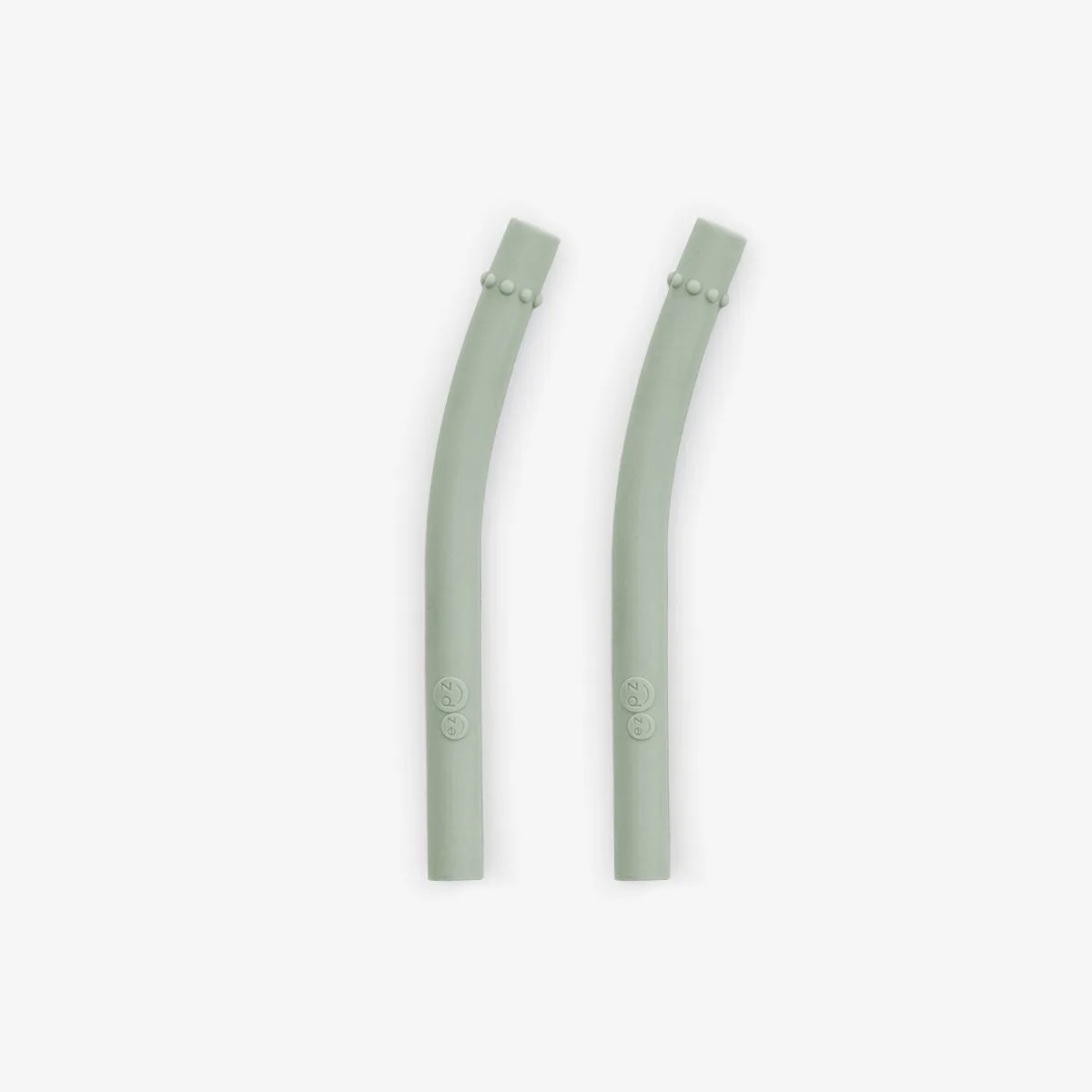
Straw Replacements (5-Pack)
-
Straw Replacements (5-Pack): Available in two sizes: Mini and Happy. Choosing the correct size ensures a proper fit and prevents leaks or loose straws.
-
Straw Replacements (5-Pack): Comes in a pack of 5 straws. Having spares on hand means you can replace a worn straw immediately and always have a clean backup.