Before You Start: What Stripes 02 Gives You to Work With
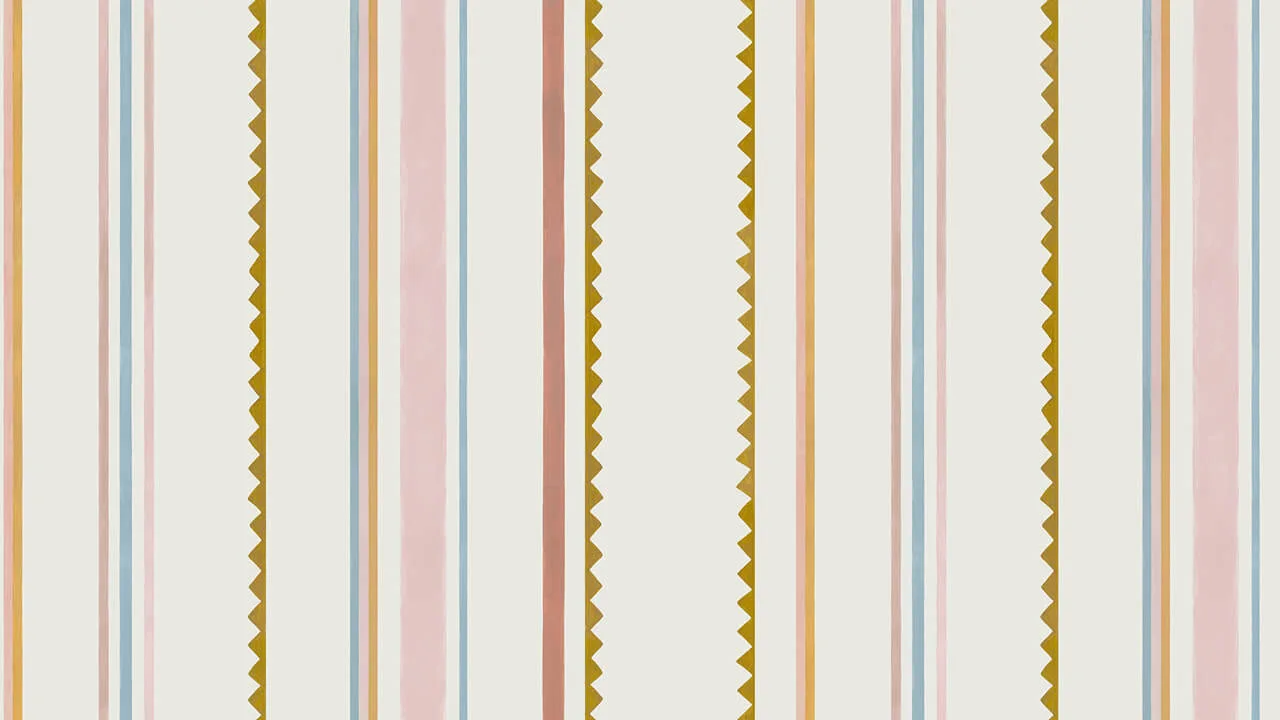
Lick Stripes 02 Wallpaper features a classic stripe pattern in Blue 07 and Pink 01, printed on fine-grade, smooth matt non-woven paper. This material is designed for paste-the-wall application, meaning you apply adhesive directly to the wall rather than soaking the paper. This method reduces mess and makes positioning easier, which is especially helpful when you need to keep a vertical stripe straight.
The non-woven substrate is also dimensionally stable—it won't expand or shrink when wet—so the pattern stays true once it's on the wall. For a feature wall or full-room application, this consistency reduces the risk of misaligned stripes.
Stripes 02 at a Glance
-
Stripes 02: Printed on fine-grade, smooth matt non-woven paper for a quality feel. Non-woven paper is tear-resistant and allows you to slide the strip into position before pressing it down, which is ideal for aligning a straight pattern.
Stripes 02
-
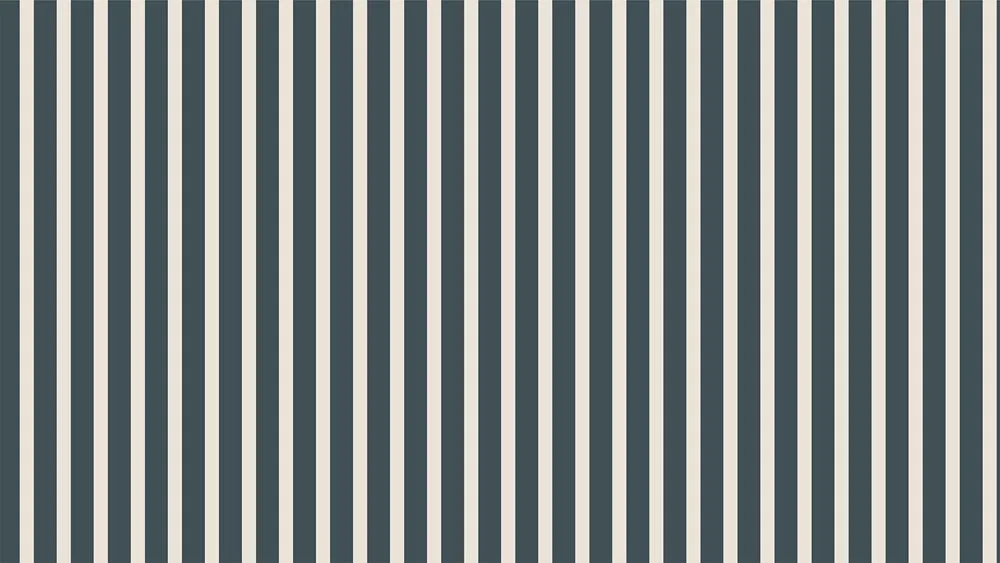
Stripes 02: Striped pattern in Blue 07 and Pink 01 for a soft, classic contrast. The vertical stripes create a natural visual guide for alignment, but any slight deviation becomes noticeable, so careful hanging is essential.
-
Stripes 02: Available as a paste-the-wall wallpaper roll or a sample for testing. Ordering a sample first lets you see the stripe scale and color contrast in your room before committing to a full roll.
How to Hang Stripes 02 with a Straight Pattern
Follow these steps for a clean, aligned installation. The paste-the-wall method is straightforward, but attention to detail matters.
- Prepare the wall surface: Ensure the wall is clean, dry, and smooth. Fill any holes or cracks and sand lightly. A smooth base helps the non-woven paper adhere evenly and prevents bumps that could distort the stripe.
- Mark a vertical reference line: Use a spirit level and pencil to draw a plumb line at the starting point. Even if the corner of your room looks straight, walls are rarely perfectly vertical. A reference line ensures the first strip sets the pattern straight.
- Apply adhesive to the wall: Use a recommended paste-the-wall adhesive. Apply it evenly to the area slightly wider than the wallpaper strip. Paste-the-wall allows you to adjust the paper before it sets, which is a key advantage for pattern alignment.
- Position the first strip: Align the edge of the wallpaper with your vertical line. Gently smooth the paper onto the wall using a wallpaper smoother or a soft brush. Work from the center outward to remove air bubbles. Because the paper is non-woven, you can lift and reposition it if needed.
- Match the pattern on subsequent strips: For a repeating stripe pattern, butt the edges of the next strip directly against the previous one—no overlap required. Check that the stripes line up horizontally across the seam. If the pattern shifts slightly, adjust before the adhesive dries.
- Trim excess at top and bottom: Use a sharp knife and a straightedge to trim the paper flush with the ceiling and baseboard. A fresh blade gives a clean cut without tearing the non-woven material.
Pattern Matching Tips for Stripes
Vertical stripes are simple to match because the pattern repeats straight across the roll. There is no drop match or offset to calculate. However, the simplicity also means any misalignment is immediately visible. Work slowly and check every seam before the adhesive sets.
If you are hanging a full room, plan the starting point in an inconspicuous corner so that any slight mismatch at the final seam is less noticeable. For a feature wall, center the pattern on the focal point of the room (like above a fireplace or behind a bed) for a balanced look.
Honest Trade-Offs with Stripes 02
The smooth matt finish of Stripes 02 gives a refined look, but it can show minor wall imperfections more than a textured wallpaper. Prepare the wall surface thoroughly to avoid bumps or dips that break the stripe line.
Paste-the-wall application is cleaner and easier for DIYers, but it requires a steady hand and patience. If you are new to wallpapering, consider starting with a small feature wall rather than a full room. Ordering a sample first helps you practice the technique before committing to multiple rolls.