Quick answer
Chassis bracing is not a myth, but its benefits are narrower than many enthusiasts claim. A strut tower brace ties the top of the strut towers together, which can sharpen steering feel and reduce front-end flex on cars with soft factory chassis. Subframe bracing benefits are real too, but mostly on older or modified cars where factory bracing is minimal. On a modern, stiff chassis, bracing is often the last 5% of handling, not the first 50%.
Walk through any car meet and you will hear the same claims: a strut tower brace transforms handling, subframe bracing eliminates wheel hop, and anyone without chassis bracing is leaving lap time on the table. Some of that is true. Much of it is not.
The honest answer is that chassis bracing works, but only when it addresses a real weakness in your specific car. This article separates the chassis bracing myth from the genuine strut tower brace benefits, and tells you when your money is better spent on tires, bushings, or an alignment.
The claim: a strut tower brace is the best first handling mod
The myth goes like this: bolt on a strut tower brace and you will feel an immediate, dramatic improvement in cornering grip. In reality, a strut tower brace primarily reduces flex between the strut towers under load. On a car with a stiff factory chassis and already reinforced towers, that flex is minimal, so the change is subtle at best.
Where a strut tower brace does earn its place is on older platforms, convertibles, or cars with soft factory chassis that were never designed for aggressive suspension loads. There, tying the towers together can improve steering precision and reduce the shimmy you feel over mid-corner bumps. It is a supporting mod, not a magic grip multiplier.
- If your car already has a factory strut tower brace, an aftermarket one is mostly a cosmetic upgrade unless it adds triangulation to the firewall.
- If your car has no factory brace, adding one is a reasonable, low-risk improvement.
The claim: subframe bracing is only for race cars
Another common myth is that subframe bracing benefits only show up on dedicated track cars. The truth is that subframe bracing helps whenever the subframe moves relative to the chassis under load. On a daily-driven car with worn bushings or soft factory mounts, that movement can cause vague steering and inconsistent alignment under cornering.
Subframe bracing is especially useful on older Hondas and cars with high mileage, where factory bracing is minimal and bushings have softened. It is not a substitute for fresh bushings, but it can reduce the flex that makes a car feel loose. On a brand-new chassis with rigid factory bracing, the gain is much smaller.
- Inspect your existing bushings and mounts before adding bracing. Bracing a worn-out subframe is like putting a bandage on a broken bone.
- If you already run stiffer suspension, subframe bracing can help the chassis keep up with the added loads.
The claim: chassis bracing always improves lap times
This is the most overstated claim. Chassis bracing can improve consistency and driver confidence, which may translate to lap times over a full session. But on a modern performance car, the factory chassis is already stiff. Adding bracing may not change peak grip at all; it changes how the car communicates and how predictable it feels at the limit.
The real value is in reducing flex that causes alignment changes mid-corner. If your car has adjustable camber or you run sticky tires, reducing that flex helps your tires work more consistently. If you are on all-season tires and stock suspension, bracing is unlikely to be the limiting factor.
- Spend on tires, brake pads, and an alignment first. Those are the biggest handling upgrades per dollar.
- Add bracing when you have already addressed the basics and want to refine chassis feel.
The claim: all bracing is the same, so buy the cheapest
Not all bracing is equal. A strut bar that bolts only to the strut towers and has no triangulation to the firewall or cowl will do less than a properly triangulated brace. Similarly, subframe bracing that uses weak mounting points or thin tubing may flex itself instead of stiffening the chassis.
Material and design matter. A well-designed brace uses rigid mounting points and often ties into multiple chassis points. That is why some braces cost more. It is also why you should be skeptical of a universal brace that claims to fit every car; chassis-specific fitment ensures the brace actually loads the right points.
- Look for triangulated designs that connect to the firewall or cowl for real stiffness.
- Avoid braces that mount to plastic or thin sheet metal; they will not carry load effectively.
Verdicts on common chassis bracing claims
- Strut tower brace as first handling mod: On most modern cars, tires and alignment deliver more grip per dollar. A strut brace is a refinement, not a transformation. Verdict: Not the best first mod. Do tires and alignment first.
- Subframe bracing on a high-mileage car: If your bushings are worn, bracing can reduce flex and improve steering consistency, but fresh bushings are the real fix. Verdict: Worthwhile only after bushings are in good shape.
- Chassis bracing always improves lap times: Bracing can improve consistency and driver confidence, but peak grip may not change on an already-stiff chassis. Verdict: Myth. Expect feel and consistency, not guaranteed lap time.
- All bracing is the same: Design, mounting points, and triangulation determine whether a brace actually stiffens the chassis or just adds weight. Verdict: Myth. Buy a chassis-specific, triangulated design.
Products that support the chassis, not replace it
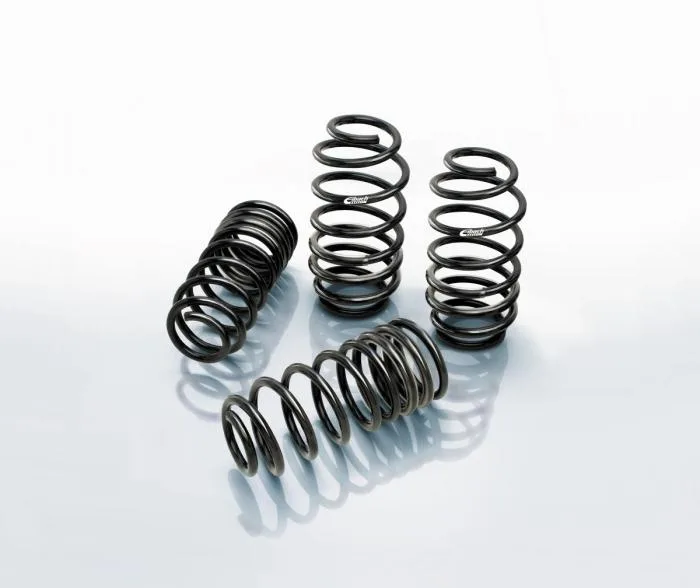
- Eibach 2017-2021 Honda Civic Type-R FK8 Pro-Kit Spring Set: Progressive spring design with a 0.6-inch front and 0.7-inch rear drop, fits all 2017-2021 Civic Type-R FK8 variants. Lowering springs change ride height and spring rate, which alters the loads the chassis sees. If you add bracing, do it alongside suspension changes so the chassis and springs work together.
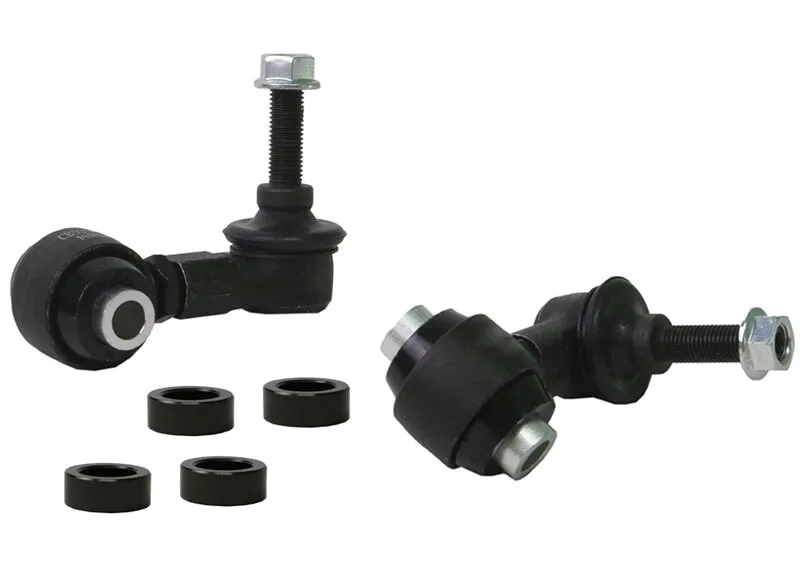
- Whiteline 2018-2023 Honda Accord Rear Sway Bar End Link: Adjustable sway bar end link that fits 2018-2023 Accord and multiple Civic generations, including 2017-2021 Type-R. Sway bar effectiveness can be hindered by worn or inadequate end links. Upgrading end links is often more impactful than adding a strut brace, because it restores the sway bar's ability to control body roll.
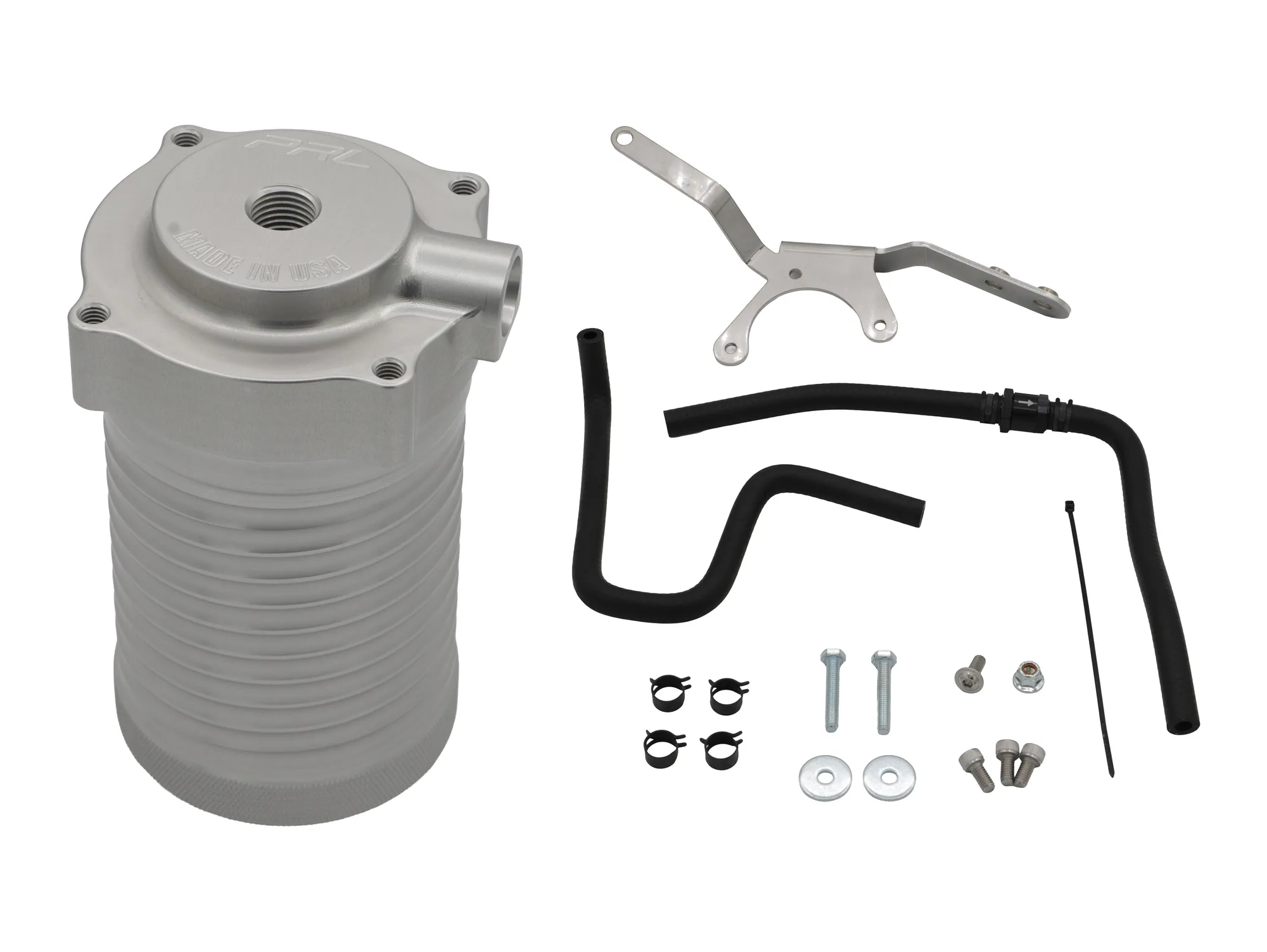
- 2018–2022 Honda Accord 2.0T Helix Air Oil Separator: Air-oil separator for 2018-2022 Accord 2.0T that reduces oil vapor and contaminants from crankcase blowby. Not a chassis part, but it shows the principle: supporting mods that address a specific weakness (here, carbon buildup) deliver real benefits. Chassis bracing should be evaluated the same way.
Chassis bracing is a legitimate handling upgrade, but it is not a shortcut to grip. Use it to refine a car that already has good tires, fresh bushings, and a proper alignment. If you are chasing a specific handling problem, diagnose it first. Bracing is a tool, not a cure-all.