Quick answer
A stuffed animal is the better comfort object for most children because it can be held, carried, and positioned freely in a crib or bed. A plush pillow works best when your child wants something larger to lean against or hug while resting. If you are choosing one, match the shape to how your child uses comfort, not to which item looks softer on a shelf.
How shape changes the way a child uses comfort
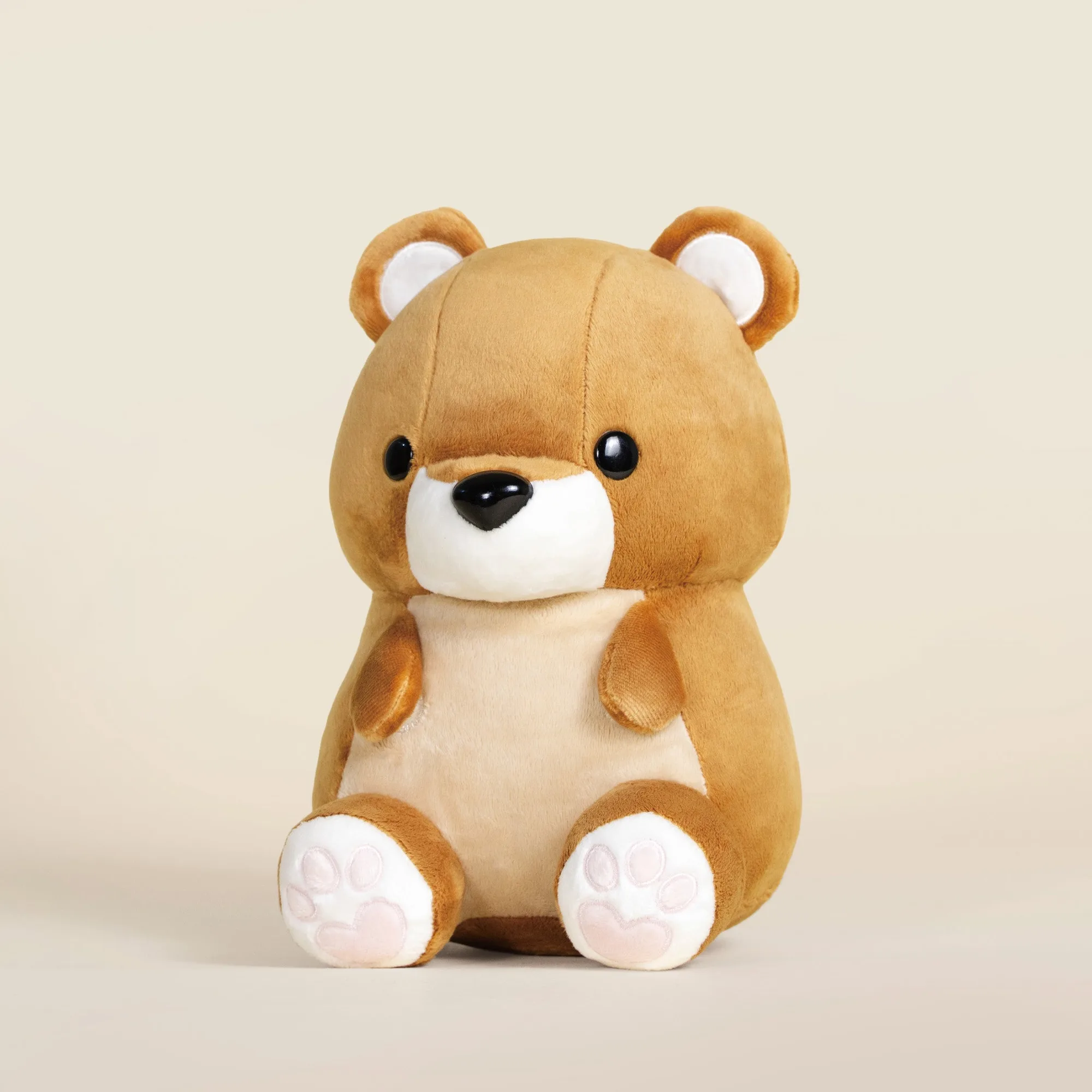
A stuffed animal has limbs, a head, and a body that invite gripping, dragging, and tucking under an arm. That shape supports active comfort, the kind a child uses while falling asleep, riding in a car, or recovering from a scraped knee. A plush pillow is broader and flatter, so it supports passive comfort: leaning, propping, or lying against something soft. The two shapes are not interchangeable for every child, because the way an object is held often matters more than how soft it feels.
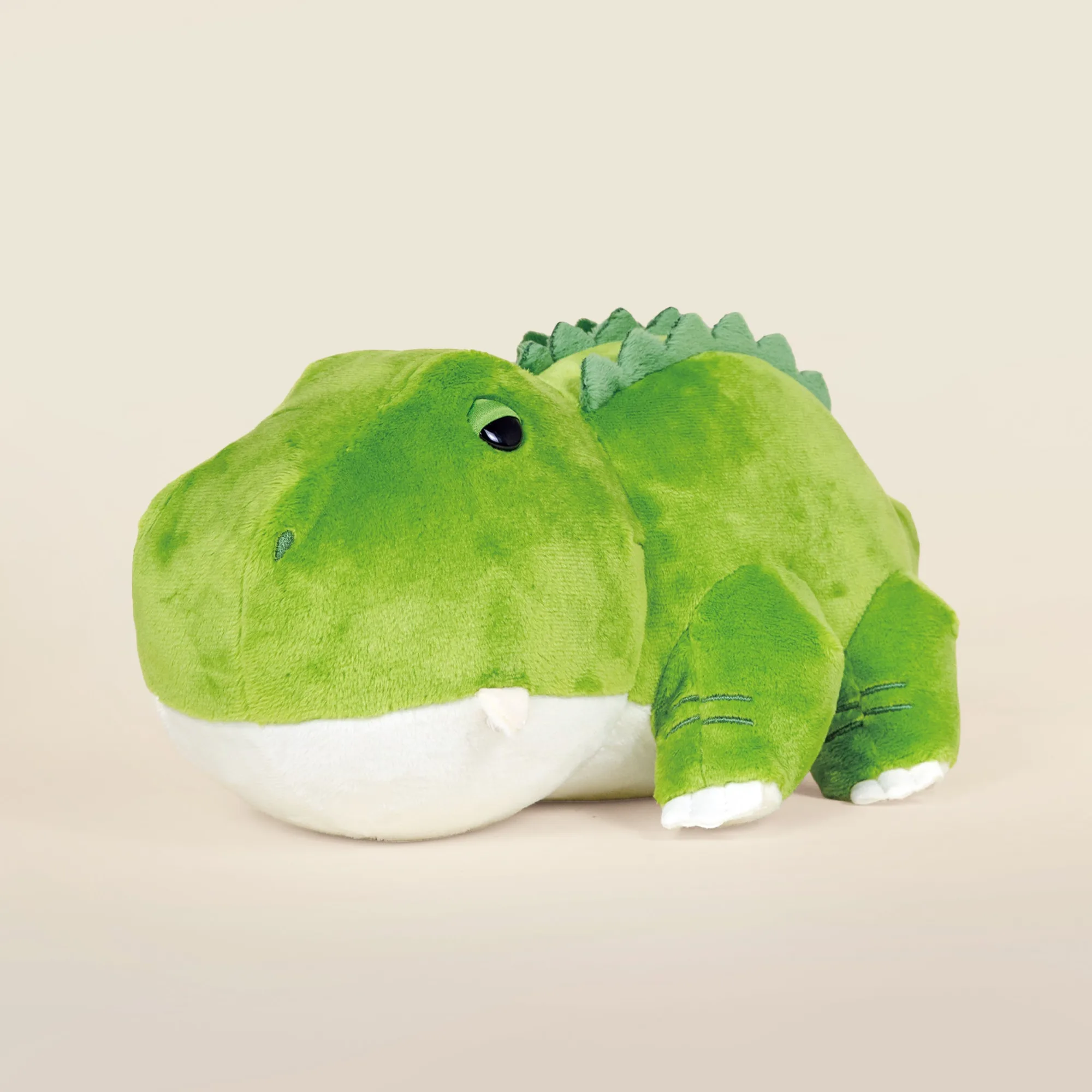
Size also changes the decision. A 7-inch-wide, 10-inch-tall plush like Mousi the Mouse fits small hands and a backpack pocket, while a longer plush such as Gecki the Gecko, at 12.5 inches long, offers more body to wrap around. A plush pillow usually takes up more surface area, which can crowd a small bed or a car seat. Measure the space where the comfort object will live before choosing.
Sleep safety and age matter more than softness
For infants and toddlers, the American Academy of Pediatrics advises keeping soft objects, including stuffed animals and pillows, out of the sleep space during the first year. That guidance applies to plush pillows too, even though the word pillow sounds more sleep-related. If your child is under one, treat both options as supervised comfort objects rather than crib items, and check with your pediatrician about your specific situation.
For older children, the safety question shifts to size and weight. A plush that is too large can be awkward to reposition at night, while a small plush is easy to find and move. A plush pillow that stays in one place may suit a child who sleeps on their back or side and wants support, but it can also become a tripping hazard on the floor. Choose based on your child's sleep habits, not on which item is marketed as a pillow.
Durability and care for daily comfort
Comfort objects get handled constantly, so construction matters. Look for reinforced stitching, securely attached plastic safety eyes and nose, and clump-resistant filling. These features appear in the supplied catalog facts for Dolphi the Dolphin and Gecki the Gecko, and they reduce the chance of a seam opening or filling shifting after repeated washing. A plush pillow with weaker seams may flatten or bunch sooner, especially if it is used as a lean-on every night.
Washing routine also differs. A small stuffed animal is easier to spot-clean or hand-wash and dries faster. A larger plush pillow takes more time to dry and may need a gentle cycle with low heat. If your child is attached to one item, consider a backup or a rotation so you are not washing the same comfort object every week. Check the care label on any plush before the first wash, and never assume all fillings behave the same way.
When a plush pillow is the better fit
A plush pillow makes sense when your child wants something to lean on during reading, screen time, or quiet play on the floor. It also works for older kids who want a soft headrest for travel but do not want to carry a toy. In those cases, the pillow shape does the job a stuffed animal cannot: it stays put and supports weight. If your child already has a favorite stuffed animal for sleeping, adding a plush pillow for daytime lounging can separate the two roles instead of forcing one item to do everything.
Trade-offs to weigh before you choose
- Portability vs. surface area: A stuffed animal like Mousi the Mouse or Mini Huski the Siberian Husky is easy to carry and tuck into a bag. A plush pillow covers more surface area and is harder to transport, but it offers broader support for leaning. Choose portability if the comfort object leaves the house; choose surface area if it stays on a bed or couch.
- Active comfort vs. passive support: Stuffed animals are shaped for gripping and holding. Plush pillows are shaped for leaning and propping. A child who needs something to hold during sleep usually prefers a stuffed animal; a child who wants back or head support usually prefers a pillow. Match the shape to the child's habit, not to the label on the product.
- Washability and drying time: Smaller plush like Gecki the Gecko dries faster and is easier to spot-clean. Larger plush pillows take longer to wash and dry, which can be a problem if the item is needed every night. If the comfort object is used daily, keep a backup or choose a smaller size you can wash and dry quickly.
Product facts that affect the choice
- Mousi the Mouse: Mousi the Mouse measures 7 inches long by 7 inches deep by 10 inches tall, with a soft manmade synthetic fiber coat and 100% premium non-bunch polyester filling. The compact upright shape suits small hands and easy carrying, while the non-bunch filling helps the plush keep its shape after repeated hugging.
- Gecki the Gecko: Gecki the Gecko is 12.5 inches long by 4.7 inches deep by 6 inches tall, with 100% premium polyester filling, plastic safety eyes and nose, and an allergen-free soft synthetic coat. The longer, lower body gives a child more to wrap around, and the safety eyes and allergen-free coat matter for daily contact and sensitive skin.
- Dolphi the Dolphin: Dolphi the Dolphin has an allergen-free ultra-soft synthetic fur coat, clump-resistant high-density polyester stuffing, and reinforced stitching. Reinforced stitching and clump-resistant stuffing support frequent washing and heavy use, which is common for a primary comfort object.
- Mini Huski the Siberian Husky: Mini Huski the Siberian Husky is a smaller plush described as a snuggle companion for dog enthusiasts of every age. Its smaller size makes it a practical first comfort object or a travel-friendly option when a full-size pillow would be too bulky.
Which comfort object fits your child
Best for
- Children who want a comfort object to hold, carry, and take to bed
- Families who need a washable, travel-friendly plush in a smaller size
- Kids who already have a pillow and want a toy for active play
Not for
- Infants under one year, because soft objects should stay out of the crib
- Children who specifically want back or head support while sitting up
- Anyone who needs a large, flat surface to lean against rather than a toy