Two Tools, One Question
When you're choosing a personal safety device, the line between a stun alarm and a personal alarm can blur. Both are compact, both make loud noises, but they serve different roles in a self-defense plan. The Go Guarded Stunner combines a 150,000-volt stun with a 130-decibel alarm, while the Personal Safety Self Defense Alarm Keychain focuses solely on a 130-decibel siren and an LED light. Which one you carry depends on how much deterrence and physical defense you want.
What Each Device Puts in Your Hand
-
Go Guarded Stunner - Self Defense Stun Alarm: The Go Guarded STUNNER delivers a painful 150,000 volt charge plus a super loud 130 decibel alarm. It also functions as a flashlight and strobe light, and is magnetized for easy storage. This is a dual-threat tool: the alarm deters from a distance, and the stun provides a physical defense if an attacker closes the gap. The flashlight and strobe add utility in low-light conditions.
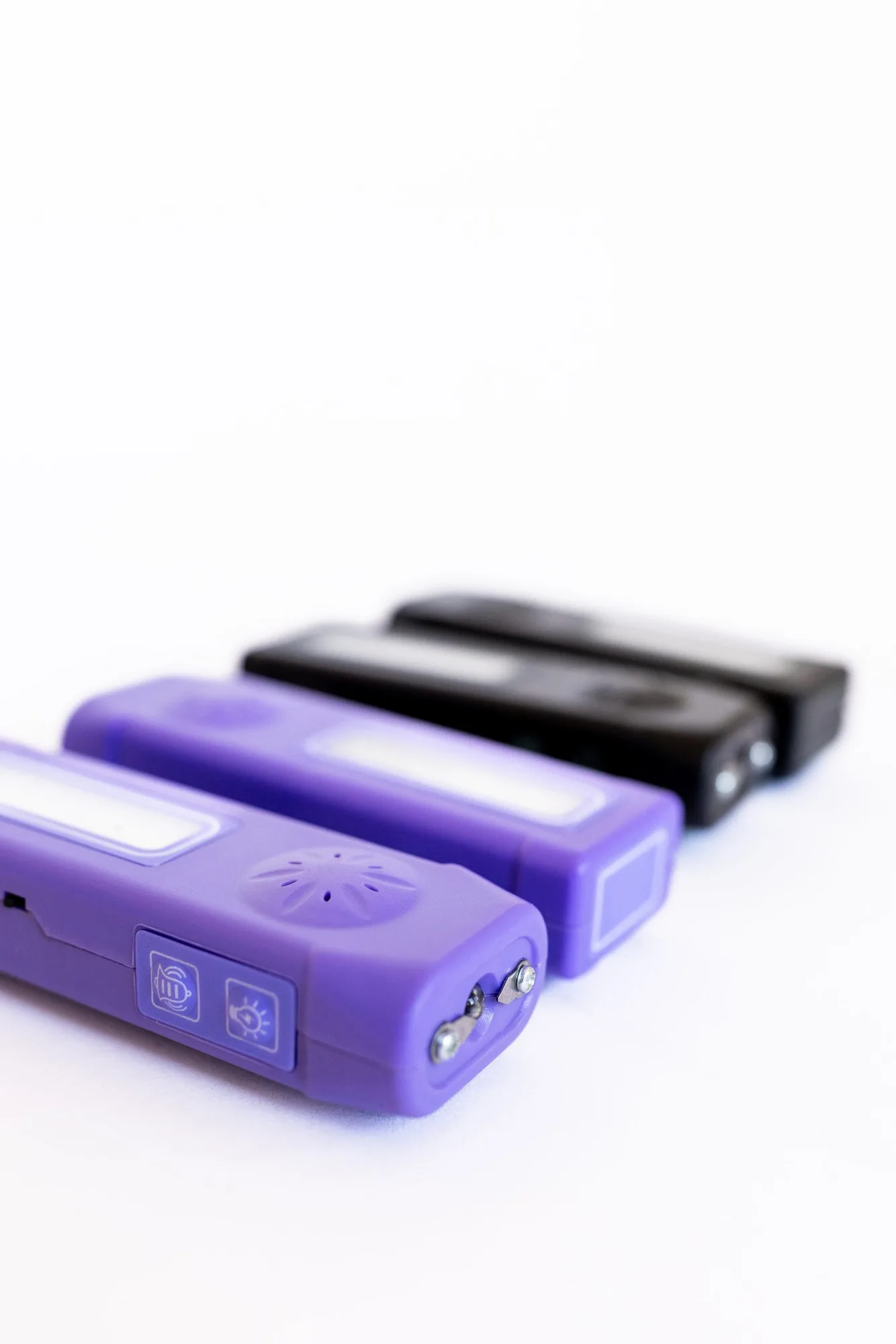
Go Guarded Stunner - Self Defense Stun Alarm
-
Personal Safety Self Defense Alarm Keychain: The Personal Safety Self Defense Alarm Keychain produces a super loud 130-decibel alarm and includes an LED light. It activates by pulling a pin and silences when the pin is reinserted. This is a pure deterrent. It relies on noise and light to startle an attacker and attract attention, with no physical contact feature. It's simpler to use and requires no charging.
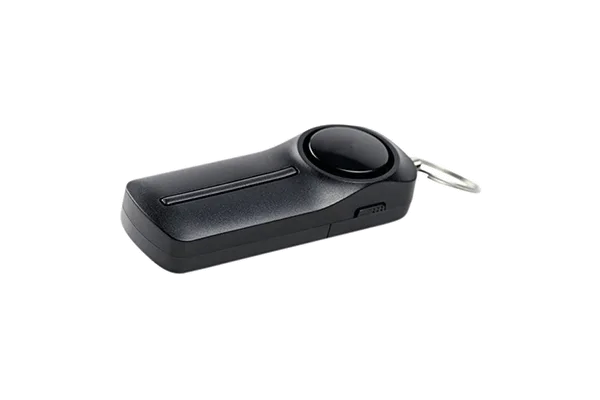
Personal Safety Self Defense Alarm Keychain
Stun Alarm vs. Personal Alarm: Key Differences
The core decision comes down to whether you want a device that can physically stop an attack or one that only creates a disturbance. Both have advantages, and the right choice depends on your comfort level, legal context, and daily routine.
- Physical Defense: The Stunner delivers a painful 150,000-volt stun that causes muscle contractions and disorientation, giving you time to escape. The personal alarm does not make physical contact.
- Deterrence Method: Both produce a 130-decibel alarm, but the Stunner also creates an intimidating electrical sound when test-fired. The personal alarm relies entirely on the siren.
- Power Source: The Stunner requires charging via Micro USB before use. The personal alarm runs on 2 AAA batteries (included) and has a simple pull-pin mechanism.
- Additional Features: The Stunner includes a flashlight and strobe light, plus a magnet for metal surfaces. The personal alarm has an LED light and is designed to attach to a keychain.
- Ease of Use: The personal alarm is straightforward: pull the pin to activate, push it back in to stop. The Stunner requires a deliberate aim and contact with an assailant, plus a charge check beforehand.
- Portability: Both are compact. The Stunner is slightly larger due to the stun mechanism, but still pocket-friendly. The personal alarm is keychain-sized and very lightweight.
When to Choose the Stun Alarm
If you walk alone at night in areas where an attacker might physically grab you, the Go Guarded Stunner gives you an option to fight back. The 150,000-volt stun works on any body area, with most vulnerable spots being the upper shoulder, upper hip, and below the rib cage. A one-second touch repels quickly; three to five seconds causes loss of balance and disorientation. The effects are temporary but give you time to escape. The added flashlight and strobe help you see and be seen in the dark. Just remember to charge it with the included Micro USB cable before first use, and do not activate the stun for longer than five seconds at a time.
When a Personal Alarm Makes More Sense
The Personal Safety Self Defense Alarm Keychain is ideal if you want a no-contact deterrent that fits on your keys. It's simple: remove the plastic tab, pull the pin to set off the 130-decibel siren, and push the pin back in to stop. The LED light adds visibility. This device is especially useful in areas where stun devices are restricted, or if you prefer not to rely on physical confrontation. It's also cheaper and requires no charging—just replace the AAA batteries when needed. Because it's always on your keychain, it's ready the moment you need it.
Limitations to Consider
Neither device is a substitute for awareness and avoidance. The Stunner requires you to be close enough to touch an attacker, which may not always be possible. The personal alarm relies on noise to scare off a threat, but some attackers may not be deterred by sound alone. Also, check local laws: stun devices are regulated in some jurisdictions, while personal alarms are generally unrestricted. The supplied information does not confirm weatherproofing or drop resistance for either product, so treat them as indoor/dry-carry items unless you take extra precautions.
Quick Specs Side by Side
- Go Guarded Stunner - Self Defense Stun Alarm: 150,000 volt stun, 130 dB alarm, LED flashlight, strobe light, magnetized, Micro USB rechargeable. This device covers both deterrence and physical defense, with extra utility for low-light conditions.
- Personal Safety Self Defense Alarm Keychain: 130 dB alarm, LED light, pull-pin activation, 2 AAA batteries included, keychain attachment. This is a straightforward, always-ready alarm that requires no charging and is easy to carry daily.
Final Thought
Your choice between a stun alarm and a personal alarm comes down to how much physical defense you want and what you're comfortable carrying. The Go Guarded Stunner gives you a stun and an alarm in one unit, while the Personal Safety Alarm Keychain is a simple, affordable noise maker. Both have their place in a self-defense plan—pick the one that matches your routine and legal environment.