Start with what the treatment is designed to do
Succinic Acid Acne Treatment is a targeted cream formulated with 2% succinic acid, 2% sulfur, and 1% salicylic acid. According to the product information, it is designed to gently reduce blemish size, reduce oil levels, and unblock pores while helping prevent them from clogging again. The cream formula is also described as easily layered under makeup without flaking.
That combination matters for spot-prone and oily skin: sulfur and salicylic acid are familiar blemish-fighting ingredients, while the cream base is intended to be non-drying. The goal of this guide is to help you use it in a way that supports those benefits without turning your routine into a stripping exercise.
The formula at a glance
-
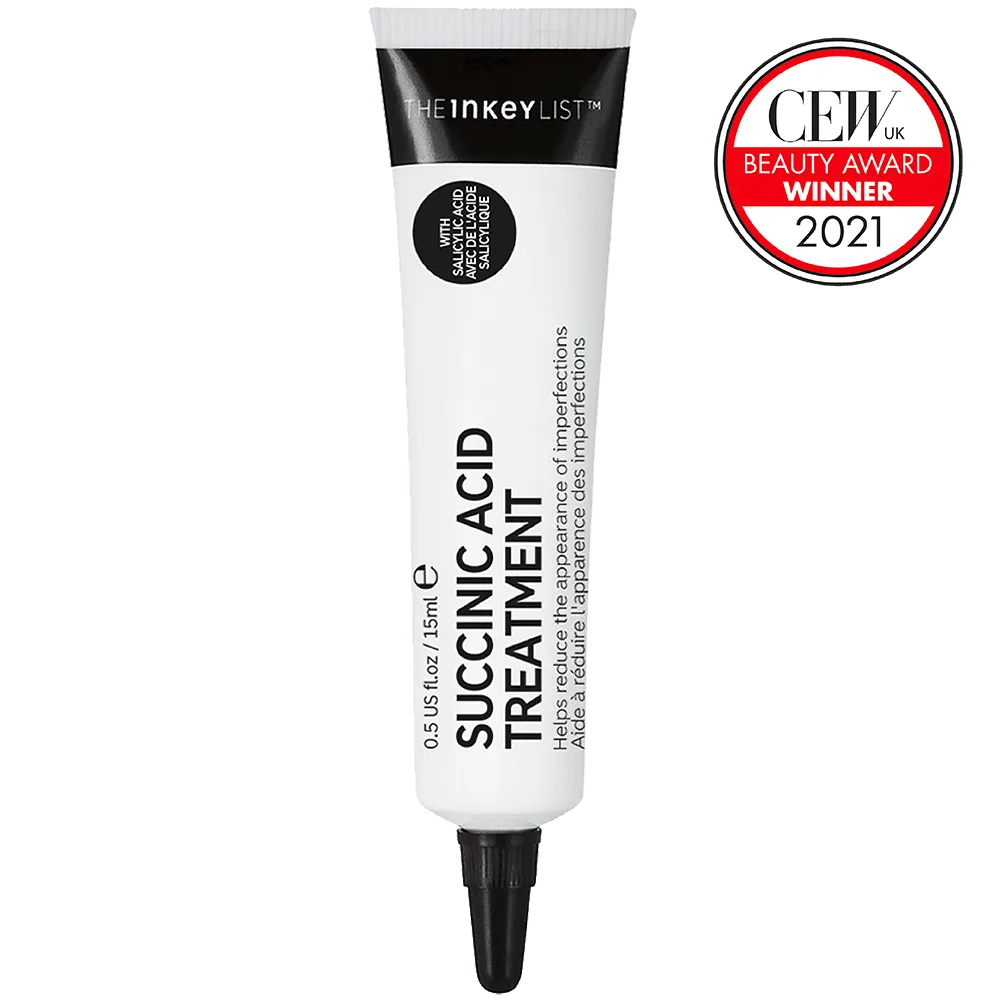
Succinic Acid Acne Treatment: Using 2% Succinic Acid to treat blemishes, the treatment gently reduces blemish size, reduces oil levels and unblock pores whilst also helping prevent them from clogging again after use. This tells you what the product is intended to do, so you can judge whether it fits your blemish pattern.
Succinic Acid Acne Treatment
-
Succinic Acid Acne Treatment: Combined with 2% Sulfur and 1% Salicylic Acid, this targeted treatment will help shrink blemishes and blackheads whilst remaining gentle on the skin. The three active ingredients work together; knowing this helps you avoid layering unnecessary extra actives.
-
Succinic Acid Acne Treatment: With a cream formula, it is easily layered under makeup without flaking. This makes it practical for daytime use, but it also means you should think about the order of your skincare and makeup.
A gentle application routine for spot-prone skin
The exact frequency is not specified in the supplied product information, so use your own judgment and start slowly. The steps below describe a conservative approach that prioritizes barrier comfort.
- Cleanse with a gentle cleanser: Use a non-stripping cleanser to remove oil and debris without leaving skin tight. Pat dry rather than rubbing.
- Apply a thin layer to blemish-prone areas: Dot the cream onto individual blemishes or areas where you tend to clog. The product is described as a targeted treatment, so there is no need to cover your entire face unless your skin tolerates it well.
- Let it absorb before moisturizer: Wait a moment so the cream can settle. Then apply a moisturizer that suits your skin—this helps maintain comfort and supports the skin barrier.
- Use sunscreen in the morning: Because the formula contains salicylic acid, daily sunscreen is a sensible habit. The product information does not include specific sun-protection instructions, so follow your usual sunscreen routine.
How often should you apply it?
The supplied product record does not state a recommended frequency. Rather than guessing a schedule, pay attention to how your skin feels. If you are new to blemish treatments or have sensitive skin, you might begin with a few times per week and adjust based on comfort. If your skin feels tight, flaky, or irritated, reduce use.
The formula is described as non-drying and gentle, but that does not guarantee it will suit every skin type or every frequency. Treat the product as a targeted tool, not a daily must.
Layering with moisturizer without over-drying
The cream format makes it easy to layer under makeup, but over-drying often comes from what you put around the treatment, not just the treatment itself. A simple approach is to apply the treatment first, then follow with a moisturizer that keeps your skin comfortable. Avoid stacking additional exfoliating acids or retinoids in the same routine unless you have already built tolerance and know how your skin responds.
If you use other leave-on actives, consider alternating them rather than layering them all at once. The product information does not include compatibility guidance, so the safest choice is to introduce one new product at a time and observe your skin.
Signs you are overdoing it—and what to do
There is no official list of over-use signs in the supplied information, but general skincare experience suggests watching for discomfort. These are sensible checkpoints, not manufacturer instructions.
- Tightness or stinging after application: Pause the treatment for a few days and focus on gentle cleansing and moisturizing. Reintroduce less often if you choose to continue.
- Visible flaking or peeling: The product is described as non-drying, but flaking can still happen if your routine is too aggressive. Reduce frequency and avoid other exfoliants temporarily.
- Increased redness or irritation: Stop using the treatment and consult a skincare professional if irritation persists. The product is not described as a medical treatment.
Where it fits in a simple routine
A straightforward routine could look like this: gentle cleanser, Succinic Acid Acne Treatment on targeted areas, moisturizer, and sunscreen in the morning. In the evening, you might use the treatment after cleansing and before moisturizer. If you prefer a minimalist approach, this three-step core is enough.
The product is not described as a complete acne regimen, and the supplied information does not include instructions for combining it with other prescription or over-the-counter acne treatments. If you are using other medicated products, check with a healthcare provider before adding another active.
What this treatment can and cannot do
According to the product information, Succinic Acid Acne Treatment can help shrink blemishes and blackheads, reduce oil levels, and unblock pores. It is a cosmetic product, not a medical treatment, and the supplied information does not include claims about curing acne or preventing scarring.
Consistency and patience matter with any blemish product. The record does not state how quickly results appear, so give it time and avoid judging progress after a single use. If your blemishes are severe or painful, seek advice from a dermatologist or healthcare professional.