When a mosquito, bee, or ant bites you, the immediate urge to scratch can be overwhelming. For decades, the go-to home remedy has been ice—applying a cold compress to numb the skin and reduce swelling. But in recent years, a new contender has emerged: the suction tool. Devices like the Bug Bite Thing Suction Tool claim to remove irritants from the bite, providing faster, longer-lasting relief without chemicals or cooling. So which method truly works better? In this article, we compare suction tools versus ice for bug bite relief, examining speed, effectiveness, convenience, and overall comfort.
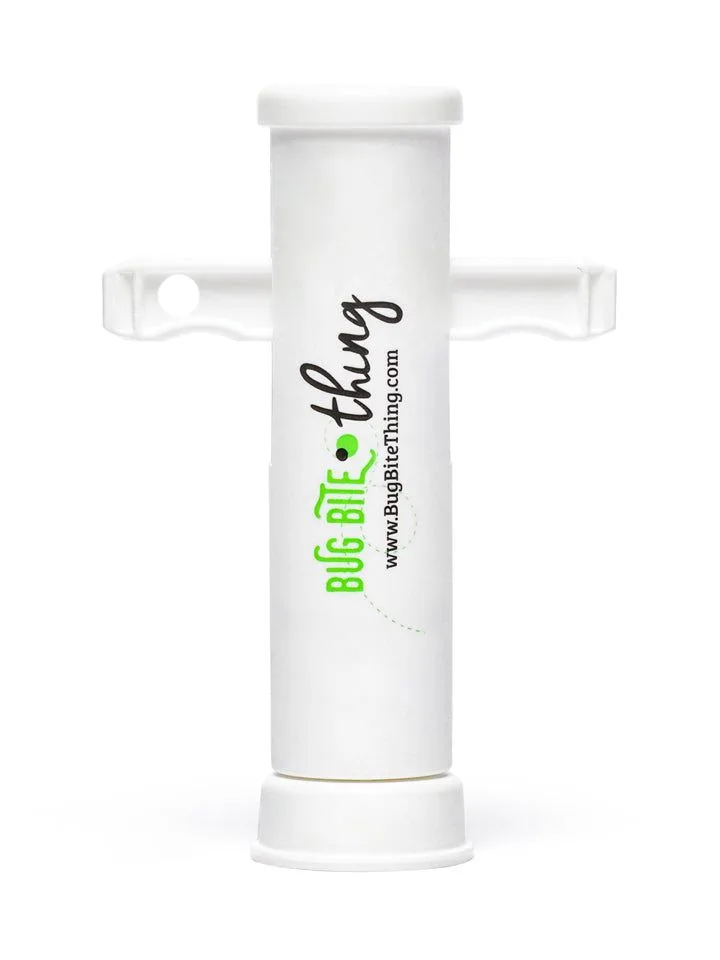
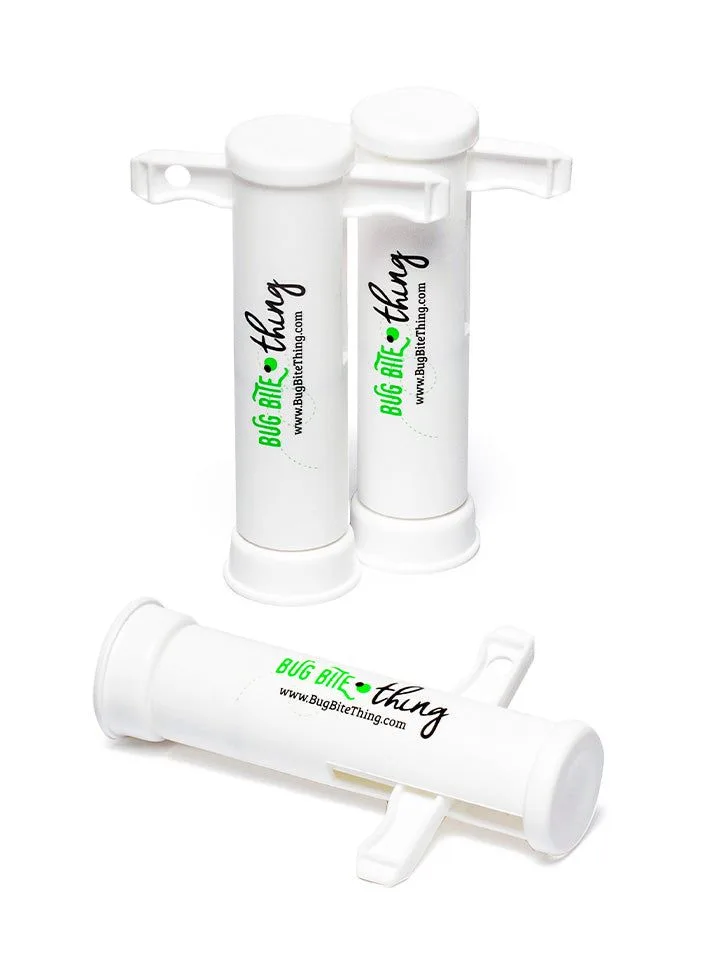
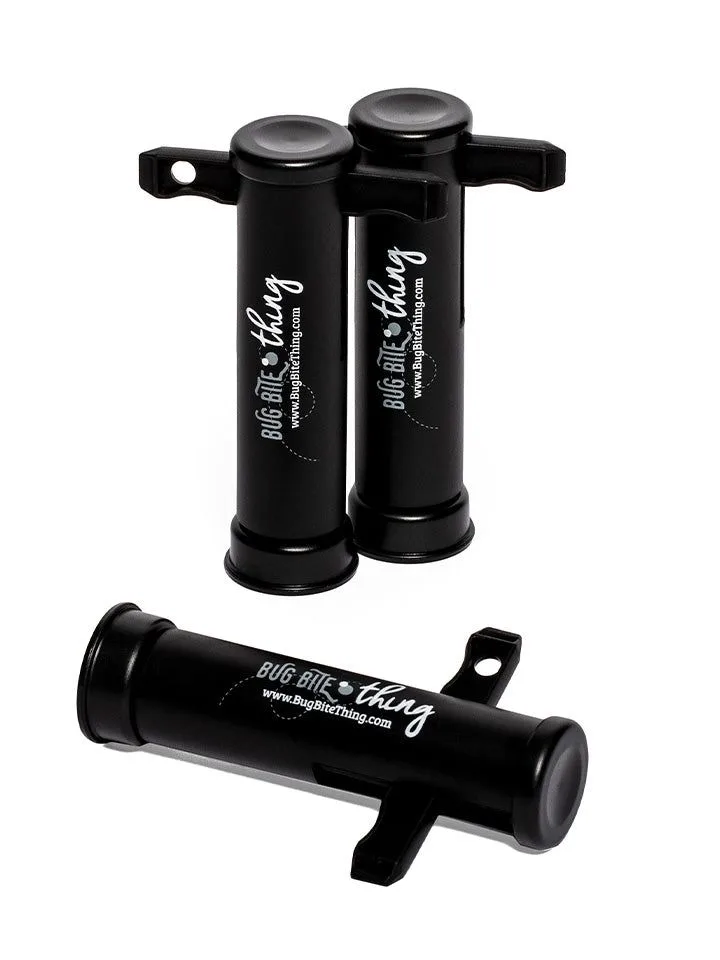
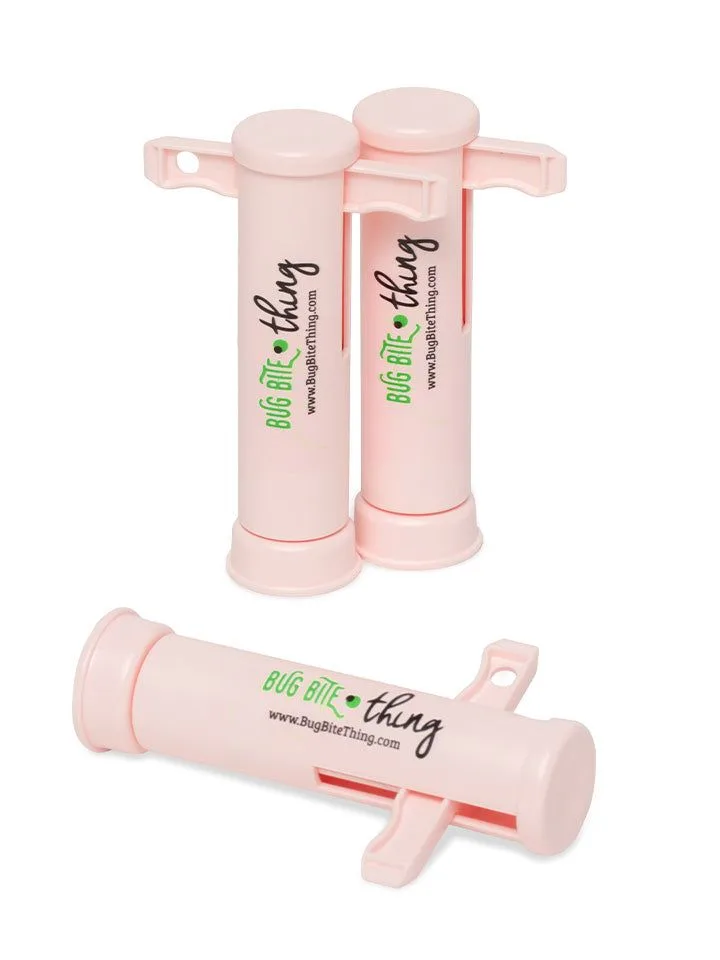
Bug Bite Thing Suction Tool
We’ll break down the science behind each approach, share real-world user experiences, and help you decide which method deserves a spot in your first-aid kit. Whether you’re an outdoor enthusiast, a parent dealing with kids’ bites, or someone who simply hates the itch, this comparison will give you the clarity you need.
How Ice Works for Bug Bite Relief
Ice has been a trusted remedy for bug bites for generations. Applying a cold pack or ice cube constricts blood vessels, which reduces blood flow to the area. This helps minimize swelling and numbs the nerve endings, temporarily dulling the itch sensation. The effect is almost immediate—within seconds you feel a cooling relief. However, the relief is short-lived. Once the ice is removed and the skin warms up, blood flow returns, swelling can re-emerge, and the itch often comes back just as strong.
Another limitation is that ice does not remove the actual irritants—such as mosquito saliva or bee venom—that trigger the reaction. It only masks the symptoms. For many people, this means repeated applications throughout the day, which can be inconvenient and messy. Additionally, prolonged ice exposure can damage skin if not used with a barrier cloth. While ice is a simple, accessible option, it is more of a band-aid than a cure.
- Tip: Always wrap ice in a thin cloth to prevent frostbite. Limit application to 10–15 minutes at a time.
How Suction Tools Provide Bug Bite Relief
Suction tools, such as the Bug Bite Thing Suction Tool, work on a completely different principle. Instead of numbing the skin, they use mechanical suction to draw out the insect saliva, venom, or other irritants from under the skin. By removing the source of the reaction, the body’s histamine response is reduced, leading to less swelling, redness, and itching. Many users report that a single 10-second application provides relief that lasts for hours, not minutes.
The key advantage is that suction addresses the root cause rather than just the symptoms. This makes it particularly effective for mosquito bites, bee stings, and even ant bites. The device is compact, reusable, and requires no batteries, chemicals, or refrigeration. You can use it anywhere—on a hike, at the beach, or at home. For those who prefer a drug-free approach, suction tools are a game-changer. The Bug Bite Thing Combo Pack even includes multiple tools and accessories for on-the-go relief.
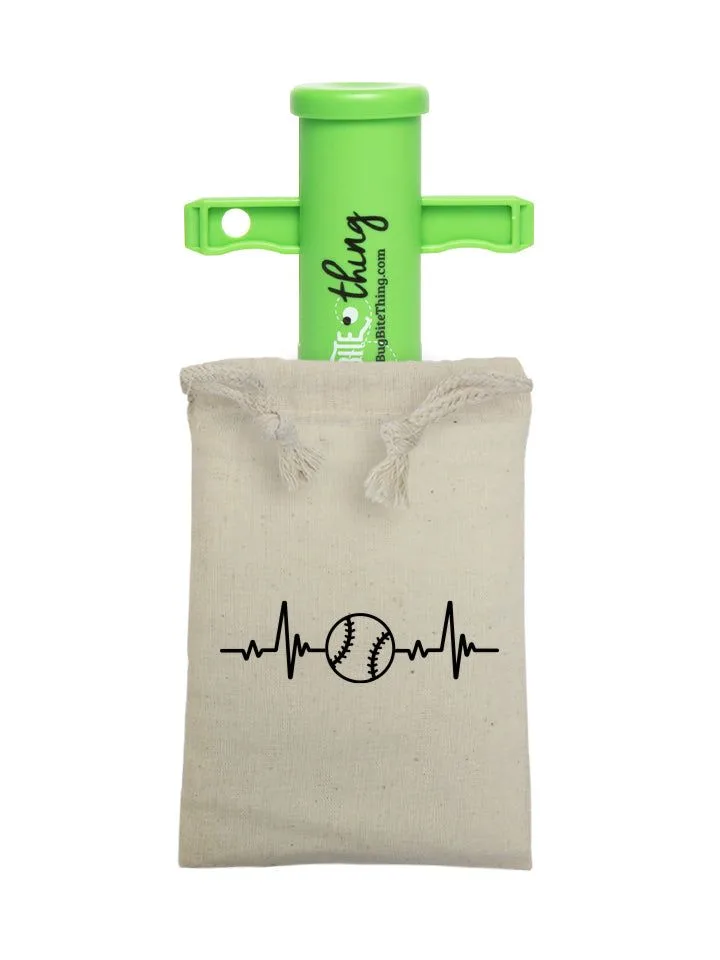
Bug Bite Thing Combo Pack
- Tip: For best results, use suction as soon as you notice a bite—within seconds if possible. This prevents the irritants from spreading deeper into the skin.
Head-to-Head Comparison: Suction Tool vs. Ice
To help you decide, here is a side-by-side comparison of key factors: speed of relief, duration, convenience, safety, and effectiveness for different bite types. Ice offers instant cooling but only temporary relief, while suction tools take a few seconds to apply but provide longer-lasting results. Ice requires a cold source (freezer, cooler, or cold water), while suction tools are always ready to use. Ice can cause frostbite if misused; suction tools are generally safe for all ages. Ice numbs the area; suction removes the trigger.
For mosquito bites, suction is often more effective because it physically extracts the saliva. For bee stings, suction can remove venom if used quickly. Ice is better for reducing inflammation after the venom has already spread. In terms of portability, a small suction tool easily fits in a pocket or bag, making it ideal for outdoor activities. Ice, on the other hand, melts and requires a cooler. Overall, if you want fast, lasting relief without side effects, suction tools have a clear edge.
- Speed of relief: Ice (instant) vs. Suction (within seconds)
- Duration of relief: Ice (10–15 minutes) vs. Suction (hours)
- Convenience: Ice (needs cold source) vs. Suction (always ready)
- Safety: Ice (risk of frostbite) vs. Suction (low risk)
- Root cause treatment: Ice (no) vs. Suction (yes)
Real User Experiences and Scientific Support
Thousands of users have shared their experiences online, and the consensus is clear: suction tools provide superior relief for most common bug bites. Parents love that they are chemical-free and safe for children. Hikers appreciate the compact size. Many users report that after using a suction tool, they no longer feel the need to scratch, which prevents secondary infections. In contrast, ice often requires repeated applications and can leave the skin damp and uncomfortable.
Scientifically, the mechanism of suction is supported by the idea of removing foreign proteins. While large-scale clinical studies are limited, anecdotal evidence and user satisfaction ratings are overwhelmingly positive. Some dermatologists now recommend suction tools as a first-line treatment for non-allergic reactions. For those who want a comprehensive solution, the https://faircart.shop/products/bug-bite-thing-suction-tool-white-3-pack-63950Bug Bite Thing Suction Tool - White / 3-Pack offers multiple units for family use, ensuring everyone gets relief when they need it.
When to Use Ice Instead of Suction
While suction tools are excellent for most bites, there are situations where ice remains a better choice. For example, if you have a severe allergic reaction with widespread swelling, ice can help reduce inflammation while you seek medical help. Ice is also useful for bites that have already been scratched open, as suction could irritate broken skin. Additionally, for bites from certain insects like fire ants, where venom spreads quickly, ice can provide immediate comfort before suction is applied.
In some cases, combining both methods works best: use suction first to remove irritants, then apply ice for a few minutes to reduce any remaining swelling. This dual approach maximizes relief. However, for most everyday mosquito and gnat bites, a suction tool alone is sufficient. Always follow the manufacturer’s instructions and consult a healthcare professional for severe reactions.
- Tip: If you have a known allergy, keep an epinephrine auto-injector handy and use ice only as a temporary measure while waiting for emergency help.
Which Method Should You Choose?
If you want fast, drug-free, long-lasting relief from bug bites, a suction tool is the clear winner. It removes the cause of the itch, works in seconds, and is incredibly portable. For occasional, mild bites, ice can still be a handy backup—especially if you have no other option. But for anyone who spends time outdoors, travels, or has children prone to bites, investing in a suction tool is a smart choice.
The Bug Bite Thing brand offers several options to fit different needs. The Bug Bite Thing Suction Tool - White is a single, affordable unit perfect for personal use. For families or frequent outdoor adventurers, a multi-pack like the Bug Bite Thing Suction Tool - White / 3-Pack ensures you always have one on hand. And for the ultimate convenience, the Bug Bite Thing Combo Pack includes both suction tools and tick removal tools, covering all your bite and tick needs in one package.
Ultimately, when it comes to fast, effective bug bite relief, suction tools outperform ice in nearly every category. They provide longer-lasting relief, address the root cause, and are far more convenient for on-the-go use. If you're tired of reapplying ice packs and still suffering from itching, it's time to try a better solution. Check out the Bug Bite Thing Suction Tool - White / 3-Pack to equip your family with reliable, chemical-free relief for every outdoor adventure.