Summer days and outdoor adventures are what childhood memories are made of. Whether your child is sprinting across the soccer field, climbing at the playground, or splashing in the pool, active play under the sun is a daily joy. But with all that fun comes the critical responsibility of protecting young, sensitive skin from harmful UV rays. Sunburns during childhood can increase the risk of skin cancer later in life, so establishing smart sun safety habits early is non-negotiable.
This guide is designed for parents of active kids who spend hours outside. We’ll cover everything from choosing a reliable sunscreen for sports and play to timing breaks, dressing for sun protection, and making sun safety a seamless part of your family’s routine. With the right approach, you can let your kids enjoy the outdoors without worry.
Why Active Kids Need Extra Sun Protection
Children who are constantly moving—running, swimming, sweating—face unique challenges when it comes to sun protection. Standard sunscreens may rub off, wash away, or become less effective with perspiration. Active kids also tend to spend more cumulative time outdoors, often during peak UV hours between 10 a.m. and 4 p.m. This increases their lifetime UV exposure significantly. According to the Skin Cancer Foundation, just one blistering sunburn in childhood can double the risk of developing melanoma later in life.
Moreover, children’s skin is thinner and more delicate than adult skin, making it more vulnerable to UV damage. Their natural melanin production is lower, providing less inherent protection. That’s why a robust, kid-friendly sun protection strategy is essential—not just for beach days, but for every soccer practice, bike ride, or backyard adventure.
- Apply sunscreen 15–30 minutes before outdoor play to allow absorption.
- Reapply every 2 hours, or more often if swimming or sweating heavily.
- Use a water-resistant, broad-spectrum sunscreen with at least SPF 30.
Choosing the Best Sunscreen for Active Kids
When selecting a sunscreen for active children, look for formulas that are water-resistant, broad-spectrum, and gentle on sensitive skin. Mineral-based sunscreens containing zinc oxide or titanium dioxide are excellent choices because they sit on top of the skin and reflect UV rays, rather than being absorbed. They are less likely to cause irritation and are often recommended for children with eczema or allergies.
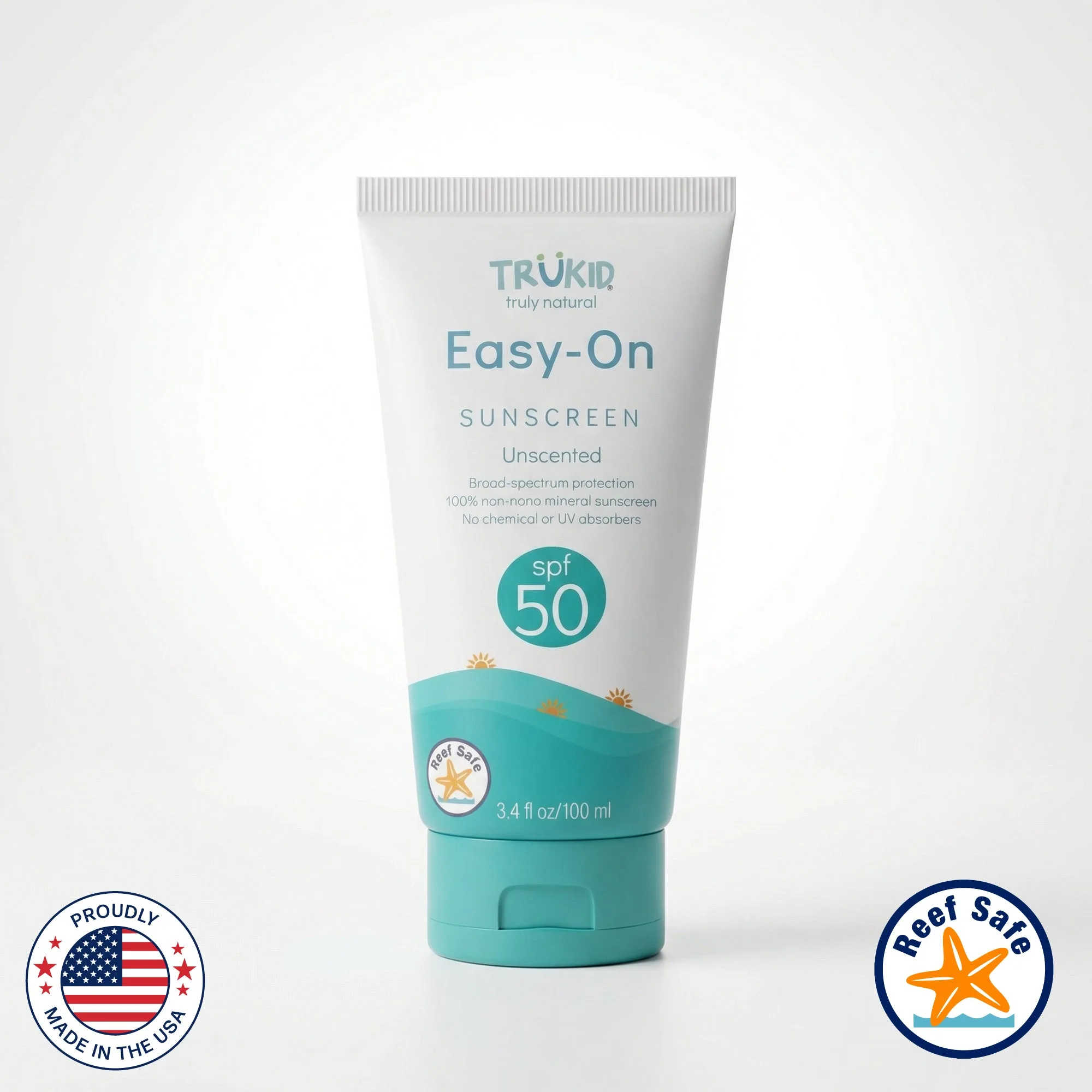
For kids who play sports or spend hours outdoors, a stick or lotion that won’t run into eyes is ideal. The TruKid Easy On SPF50 Sunscreen 3.4oz is a fantastic option—it’s water-resistant for up to 80 minutes, free from harsh chemicals, and goes on smoothly without leaving a white cast. For children with eczema-prone skin, the TruKid Eczema (Unscented) Daily SPF30 Sunscreen 3.4oz provides gentle, fragrance-free protection that won’t trigger flare-ups. Both are perfect for active kids who need reliable coverage that stays put.
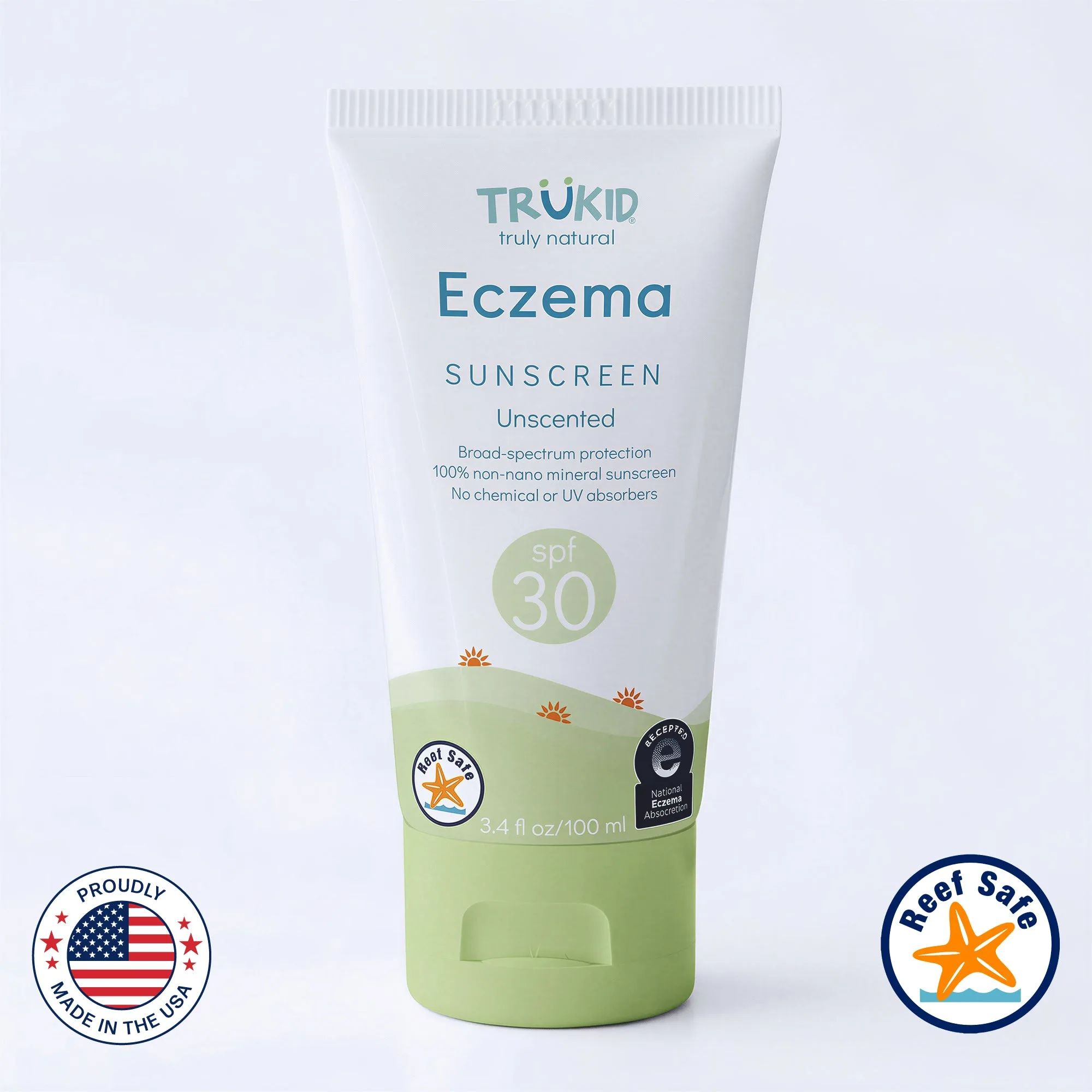
TruKid Eczema (Unscented) Daily SPF30 Sunscreen 3.4oz
- Always check the expiration date—expired sunscreen loses effectiveness.
- Don’t forget often-missed spots: ears, back of neck, tops of feet, and behind knees.
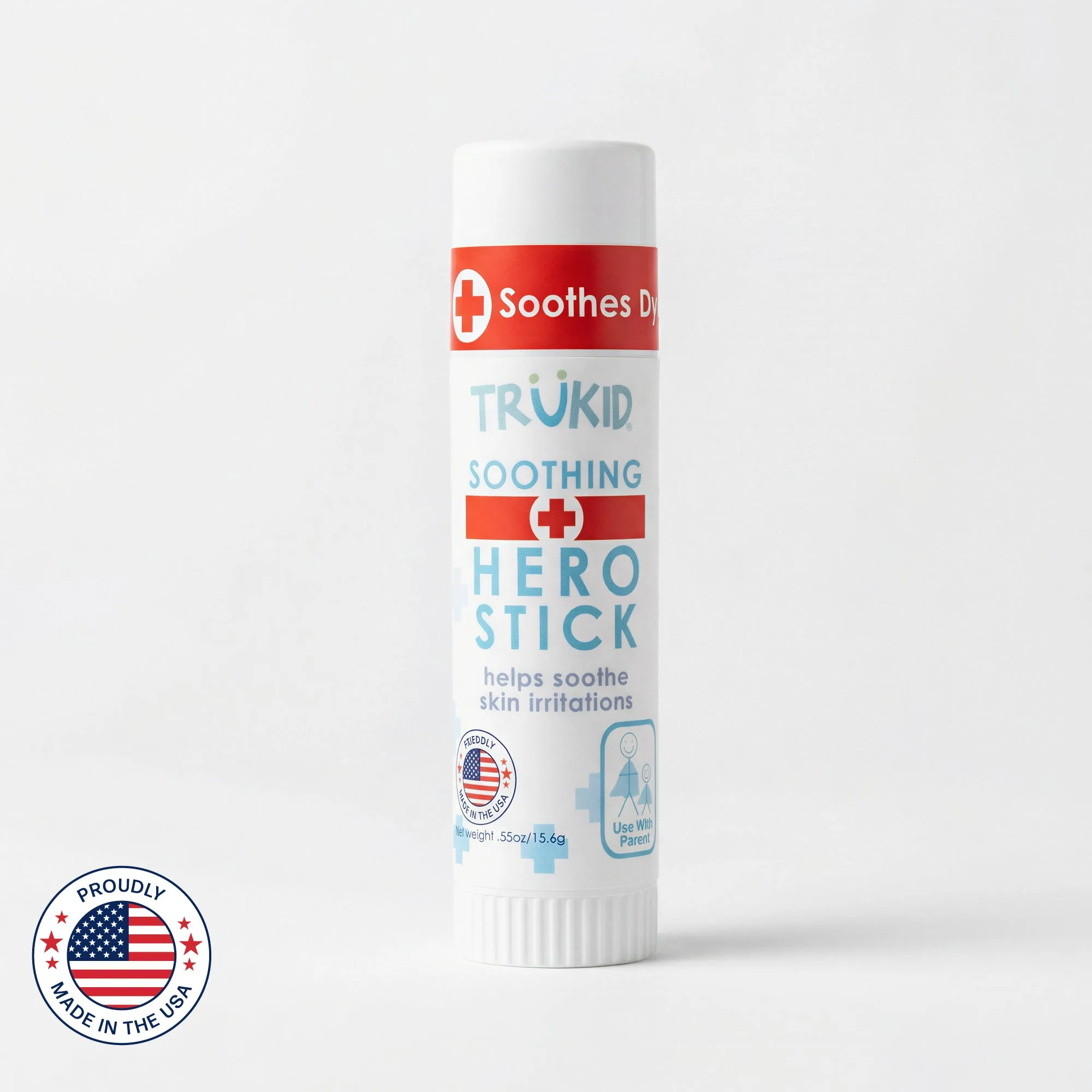
- For face, use a sunscreen stick to avoid stinging eyes.
Sun Safety Beyond Sunscreen: Clothing, Timing, and Shade
Sunscreen is a critical tool, but it’s not the only one. Dressing your child in sun-protective clothing can make a huge difference. Look for lightweight, long-sleeved shirts and pants with a UPF (Ultraviolet Protection Factor) rating of 50+. Wide-brimmed hats and UV-blocking sunglasses shield the face and eyes. For water play, consider a rash guard or swim shirt that offers built-in sun protection.
Timing your outdoor activities wisely also reduces risk. Plan playtimes before 10 a.m. or after 4 p.m. when UV rays are less intense. During peak hours, encourage breaks in the shade—under a tree, umbrella, or pop-up canopy. The American Academy of Dermatology recommends seeking shade whenever your shadow is shorter than you are, as that indicates strong UV rays. Hydration is equally important: active kids lose fluids quickly, so offer water every 15–20 minutes during play.
- Use a timer or phone alarm to remind yourself to reapply sunscreen every 2 hours.
- Keep a sun safety kit in your car or bag: sunscreen, hat, sunglasses, and a water bottle.
- Teach older kids to apply their own sunscreen (with supervision) to build lifelong habits.
Special Considerations for Sports and Swimming
When kids are sweating or in the water, sunscreen can wear off faster than you think. Even water-resistant formulas need to be reapplied after 40 to 80 minutes of swimming or heavy perspiration. For sports like soccer, basketball, or track, a sunscreen spray or lotion that dries quickly and won’t make hands slippery is a practical choice. Avoid sprays if possible—they can be inhaled or miss spots—but if you use one, spray into your hands first and then apply to your child’s face.
For swimming, apply sunscreen generously before putting on a swimsuit, and reapply immediately after toweling off. A waterproof sunscreen stick is great for touch-ups on the nose, cheeks, and shoulders. Remember that water, sand, and snow reflect UV rays, increasing exposure. Even on cloudy days, up to 80% of UV rays can penetrate the clouds, so make sun protection a non-negotiable habit regardless of the weather.
- Use a sunscreen that is specifically labeled “water-resistant” for swimming or sports.
- Reapply after toweling off, even if it hasn’t been 2 hours yet.
- Keep a separate sunscreen stick in your child’s sports bag for quick reapplications.
Making Sun Protection Fun and Routine
The best sun safety routine is one that your child will actually follow. Turn sunscreen application into a game—sing a song, use a funny timer, or let them choose their own sunscreen. Praise them for remembering to reapply or for wearing their hat. When sun protection becomes as automatic as putting on shoes, you’ve built a habit that will protect them for life.
Involve your kids in the process: let them pick out a fun sunscreen bottle or a cool hat. Explain why sun protection matters in simple terms—like “it’s like a shield for your skin.” For younger children, use a “sunscreen buddy” system where you apply together. The goal is to make sun safety feel empowering, not like a chore.
- Create a “sun safety checklist” your child can help with before heading outside.
- Set a good example by wearing sunscreen and sun-protective clothing yourself.
- Reward consistent sun safety with a small treat or extra playtime.
Protecting your active kids from the sun doesn’t have to be complicated. With a combination of the right sunscreen, smart clothing, strategic timing, and consistent habits, you can let them enjoy outdoor play safely. Start building these routines today, and your children will thank you for a lifetime of healthy skin. For a reliable, water-resistant option that’s perfect for sports and play, check out the TruKid Easy On SPF50 Sunscreen 3.4oz—it’s a parent’s best friend for active days.