Why a mineral SPF 50 makes sense for daily use
A daily sunscreen that works with acne-prone skin can be hard to find. Many formulas feel heavy, clog pores, or leave a white cast. Sunburst Mineral SPF 50 is designed to address these concerns with non-nano mineral filters that apply sheer, while also helping to fade dark spots and prevent breakouts.
What Sunburst Mineral SPF 50 offers
-
Sunburst Mineral SPF 50 Sunscreen: Crafted with non-nano mineral filters that apply sheer, Sunburst does more than protect—it works double-duty for acne-prone skin. Non-nano mineral filters are less likely to irritate sensitive or blemish-prone skin, and the sheer finish makes it wearable under makeup or alone.
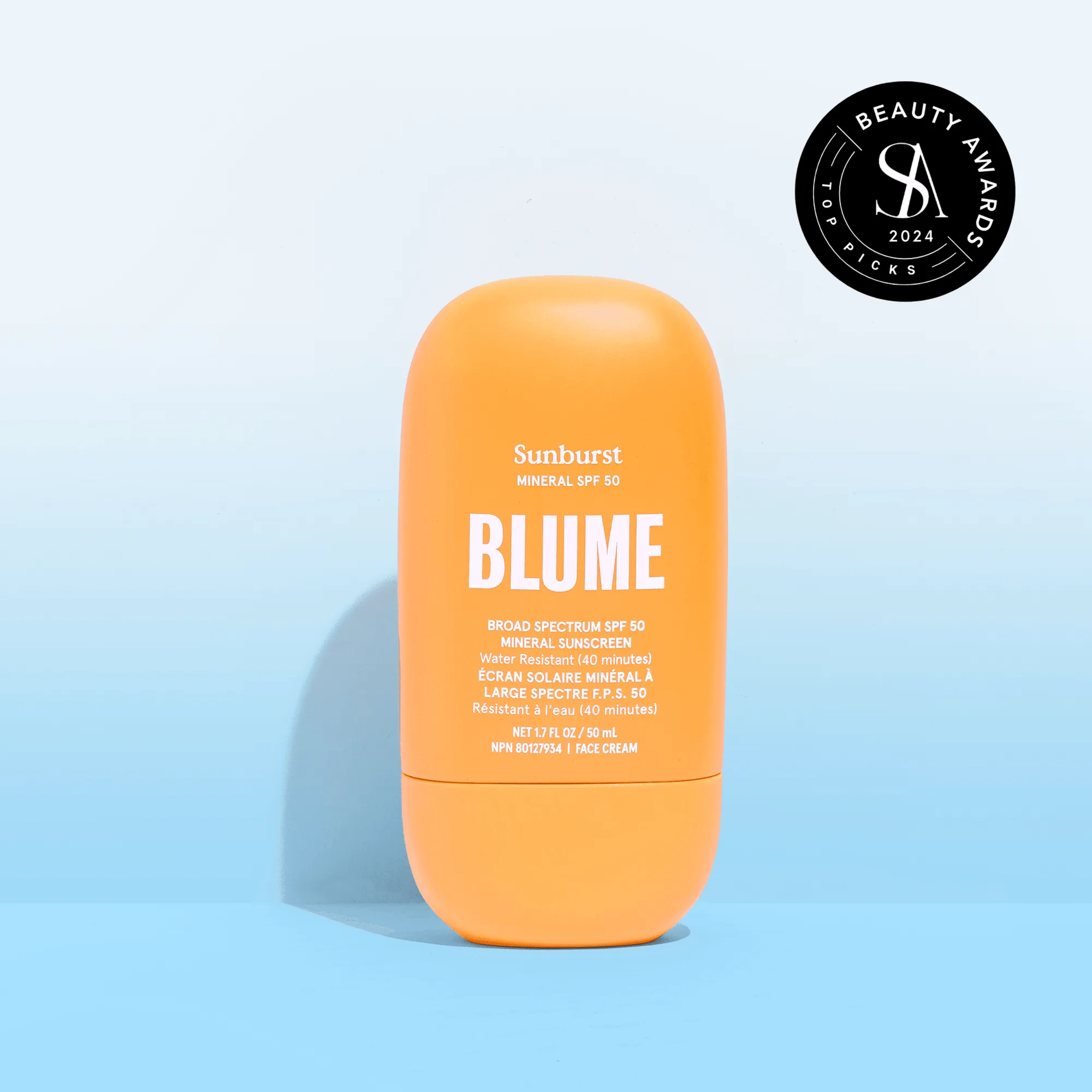
Sunburst Mineral SPF 50 Sunscreen
-
Sunburst Mineral SPF 50 Sunscreen: It shields against harmful UV rays while helping to fade dark spots, prevent breakouts, and keep your skin hydrated and radiant. This means you get sun protection plus skincare benefits in one step, simplifying your morning routine.
-
Sunburst Mineral SPF 50 Sunscreen: CLEAN | CRUELTY FREE | VEGAN | NO BAD STUFF These labels are relevant if you prefer products free from common irritants and animal testing.
How to fit Sunburst into your daily routine
For best results, apply Sunburst Mineral SPF 50 as the last step of your morning skincare routine, after cleansing, treatment, and moisturizer. Use a generous amount to cover your face and neck. Because it's a mineral sunscreen, it starts working immediately upon application—no waiting period needed before sun exposure.
If you wear makeup, let the sunscreen set for a minute or two before applying foundation or powder. Reapply every two hours if you're spending time outdoors or near windows with direct sunlight.
What the catalog confirms—and what it doesn't
The catalog confirms that Sunburst is formulated for acne-prone skin, uses non-nano mineral filters, and is clean, cruelty-free, and vegan. It does not specify a water-resistance duration or provide a recommended amount per application. For general sun protection guidelines, a nickel-sized amount for the face is a common starting point, but you may need to adjust based on your face size and coverage preference.