The face is the hard part
Most sunscreen battles happen above the neck. Arms and legs are forgiving: a quick smear and kids are back to playing. Faces are different. Eyes water, noses wrinkle, and a wiggly toddler can turn a simple application into a wrestling match.
That is why the sunscreen stick vs. lotion question matters for kids' faces. Both formats can carry broad-spectrum SPF 50, but they behave very differently on a small face. The right choice depends less on the formula label and more on how your child tolerates application.
Stick vs. lotion on a child's face
These trade-offs are about format, not brand. Use them to decide which tool belongs in your bag.
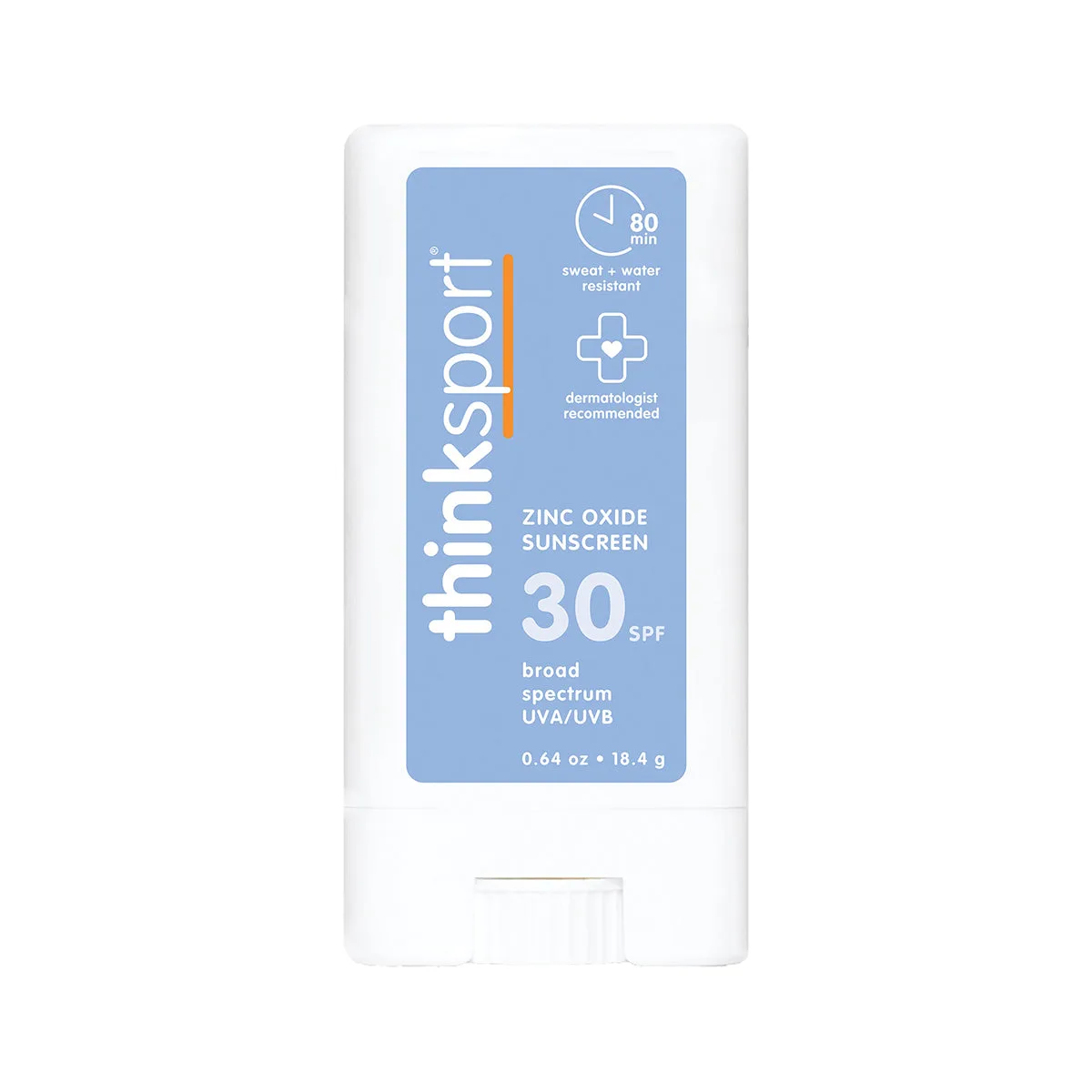
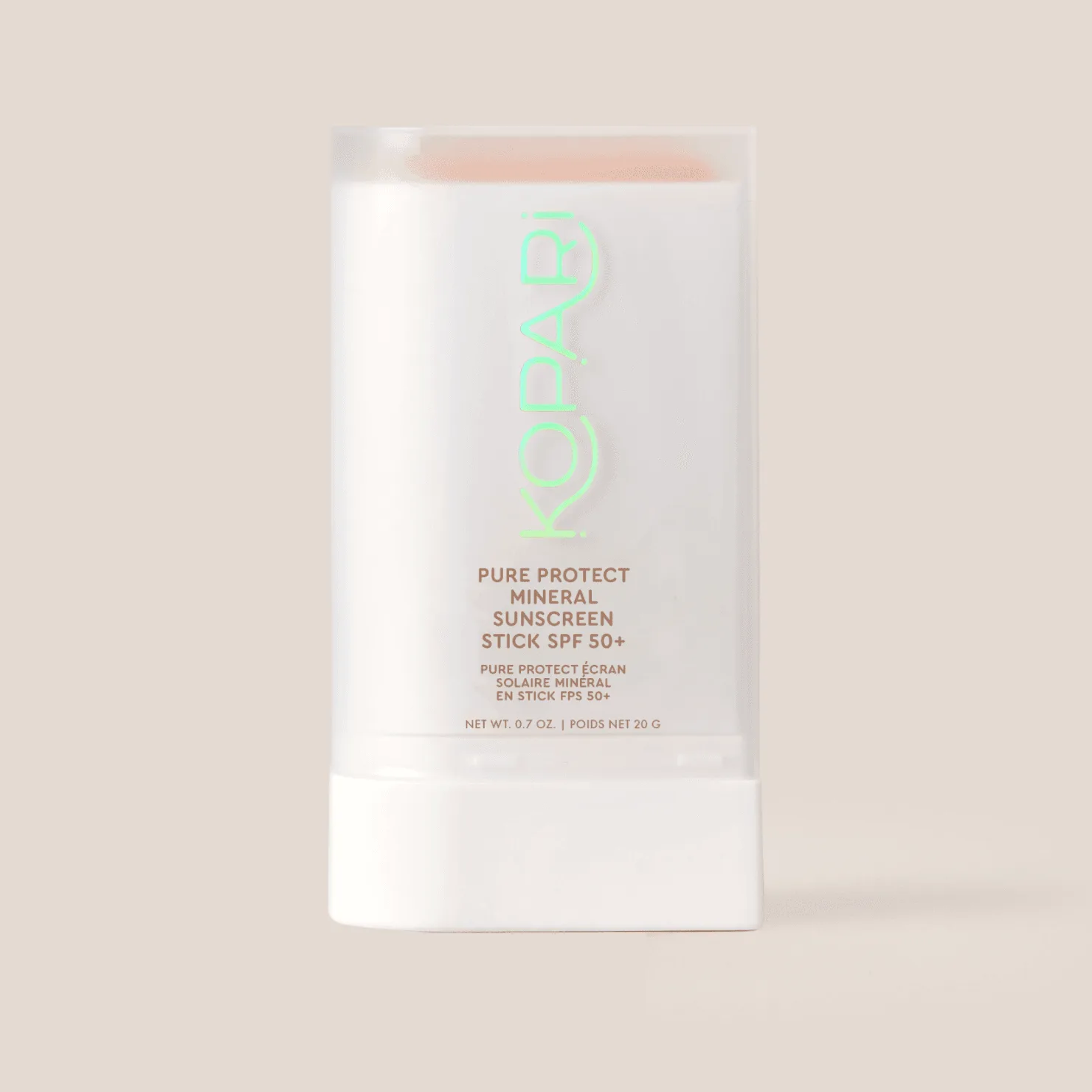
- Application speed: A stick glides directly onto skin, so you can cover cheeks and nose in seconds. Lotion needs to be dispensed into hands first, then spread, which takes longer with a moving child.
- Even coverage: Lotion spreads more predictably across curved areas like ears and the sides of the nose. Sticks can skip or drag unless you go over each area more than once.
- Drip and eye comfort: A stick stays put and is less likely to migrate toward the eyes during application. Lotions vary widely; a lightweight serum-style lotion can feel less heavy, but any face product still needs care around the eye area.
- Hands-free convenience: Sticks are easy to reapply outdoors without lotion-covered hands. Lotions usually need a wipe or wash afterward.
- Reapplication on the go: Both formats need reapplication, but a stick is simpler to swipe over a sweaty face mid-playground session. A lotion may require finding a sink first.
When a stick makes sense
Choose a stick if your child resists having their face touched, if you are applying sunscreen outdoors with no handwashing nearby, or if you need to target small zones like the nose and cheeks quickly.
The trade-off is coverage discipline. A stick can give a false sense of security if you swipe once and move on. Plan to go over each area more than once, and accept that ears and hairline may still need a lotion or another format to fill gaps.
When a face lotion or serum makes sense
Choose a lotion or serum-style face sunscreen if your child tolerates spreading, if you want more control over even coverage, or if you are applying indoors before school and have a sink nearby.
The trade-off is mess and time. Lotion on a squirming face can end up in eyebrows and on shirt collars. A lightweight formula helps, but technique matters as much as texture.
Where Tubby Todd's SPF 50 face serum fits
-
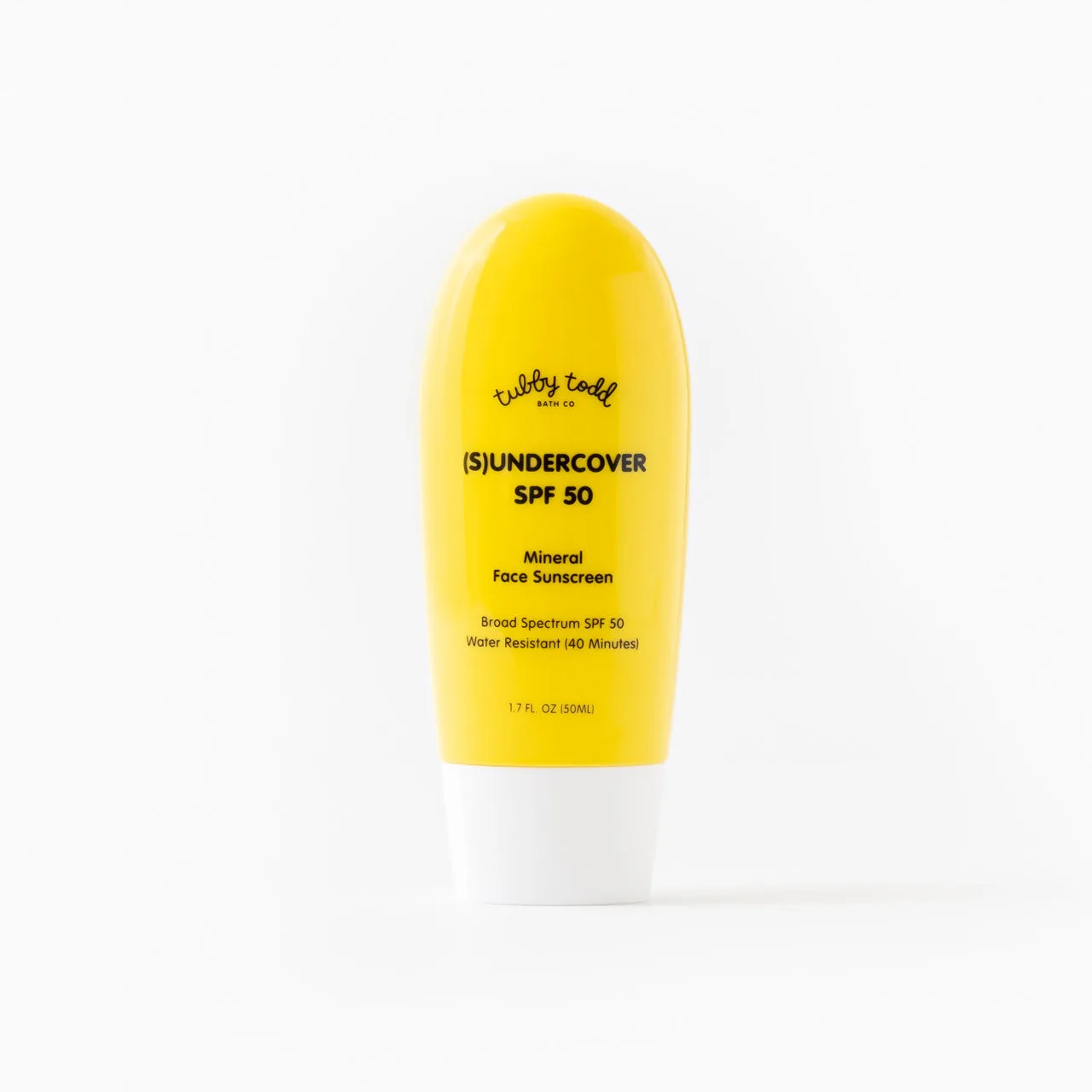
(S)undercover SPF 50: (S)undercover SPF 50 is a lightweight mineral face sunscreen serum with a velvety smooth application and broad spectrum SPF 50 protection from UVA/UVB rays. It is a face-specific lotion-style option, so it competes on the lotion side of this comparison rather than the stick side.
(S)undercover SPF 50
-
(S)undercover SPF 50: The formula is described as protecting sensitive skin from screens, sun and free radicals, and it is water resistant for 40 minutes. That makes it a reasonable pick for school days and short water play, but the 40-minute water resistance means it is not a full swim-session product on its own.
-
(S)undercover SPF 50: Directions say to shake well and apply evenly to the face any time of day, and to store it out of direct heat or sunlight. Shaking is a step sticks usually skip, and heat storage matters if the tube lives in a car or pool bag.
How to apply a sunscreen stick to a kid's face
If you go the stick route, the technique is what prevents gaps.
- Start with dry skin: Wipe away sweat or water first so the stick can grip the skin instead of sliding.
- Swipe in overlapping passes: Go over cheeks, nose, forehead and chin more than once rather than one quick line per area.
- Cover the edges: Ears, the hairline and the sides of the neck are commonly missed. Use short strokes and check visually.
- Blend with clean fingers if needed: A light blend can even out streaks, especially on dry cheeks.
- Reapply after water and sweat: Sticks are not automatically longer-lasting. Reapply after swimming, heavy sweating or towel drying.
The eye-sting question
Parents often ask which format is better for kids' faces without stinging eyes. The honest answer is that format alone does not guarantee eye comfort. Sticks reduce drip during application, but any product can migrate if applied too close to the lash line or if a child rubs their face.
The supplied information for (S)undercover SPF 50 does not include eye-sting testing or a tear-free claim, so treat eye comfort as something to observe with your own child rather than a promised feature. Apply carefully around the orbital area and keep a clean cloth handy.
A practical combination
You do not have to pick one format forever. Many families use a stick for quick outdoor touch-ups and a face lotion or serum like (S)undercover SPF 50 for the initial morning application, when there is time for even coverage and a shake of the tube.
That split plays to each format's strength: the stick handles speed and hands-free reapplication, while the lotion handles control and a lightweight feel. Whatever you choose, the limiting factor is usually reapplication, not the first coat.