What Makes the SUPER Balanced Interconnect Different?
Standard balanced cables use a straightforward three-conductor design to reject noise, but the SUPER Balanced Interconnect from Transparent Audio goes further. It incorporates two discrete network paths per channel—one for each signal-carrying conductor—along with a dual grounding system. According to the manufacturer, this design helps control noise and interference more effectively, allowing music to transfer more efficiently across all audio frequencies.
The result, as described in the product's specifications, is that SUPER Balanced captures more warmth, weight, dynamics, and nuance than typical balanced cables, with better image focus, soundstage presentation, and deeper, more defined low frequencies. For anyone building a premium music or film system, this represents a meaningful step beyond a standard cable.
What the Catalog Confirms About the SUPER Balanced Interconnect
-
SUPER Balanced Interconnect: SUPER Balanced Interconnects are a great addition to any Premium music or film system. This positions the cable for high-end setups where standard cables may be a bottleneck.
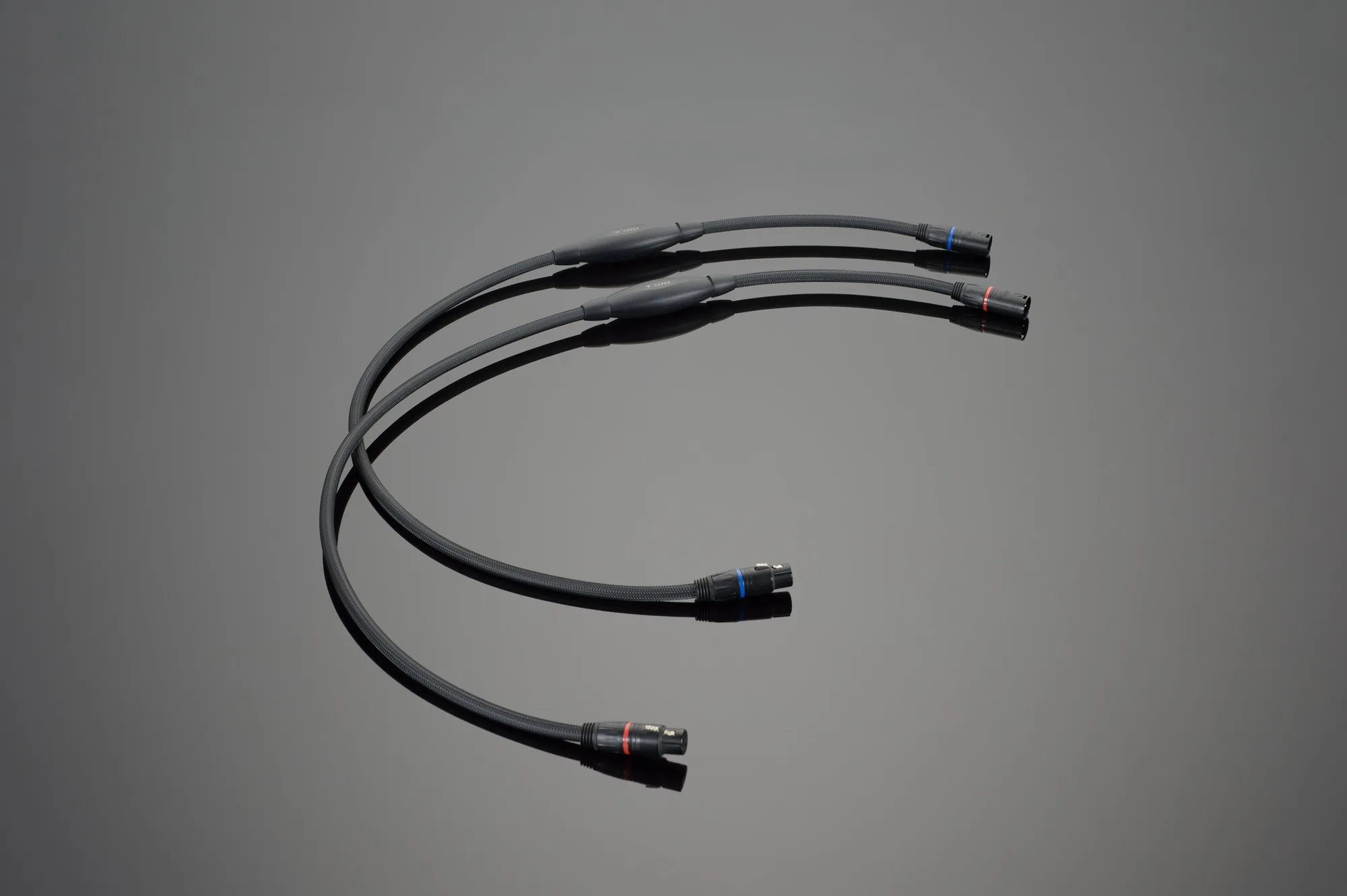
SUPER Balanced Interconnect
-
SUPER Balanced Interconnect: Balanced SUPER has 2 discrete network paths for each channel - one for each signal carrying conductor. Its dual grounding system and networks help to control noise and interference. This explains the technical advantage over standard balanced cables, which typically use a single network or none.
-
SUPER Balanced Interconnect: High quality XLR connectors with gold-plated contacts transfer power effortlessly through precision-wound OFHC stranding. Gold-plated contacts and OFHC stranding reduce signal degradation, a common weakness in budget cables.
SUPER Balanced Interconnect vs Standard Balanced Cable: At a Glance
Below is a side-by-side look at the main differences between the SUPER Balanced Interconnect and a typical standard balanced cable. Keep in mind that standard cables vary widely; this comparison highlights the features that set SUPER apart.
- Network design: SUPER Balanced uses two discrete network paths per channel plus a dual grounding system. A standard balanced cable typically has no network or a single basic filter.
- Noise rejection: SUPER's dual grounding and networks actively control interference for more efficient signal transfer. Standard cables rely on the basic common-mode rejection of the XLR connection.
- Sound quality: SUPER delivers greater warmth, weight, dynamics, image focus, and deeper low frequencies. Standard cables often sound thinner or less defined by comparison.
- Connector quality: SUPER uses gold-plated XLR contacts and precision-wound OFHC stranding. Entry-level cables may use nickel-plated or lower-grade copper connectors.
- Upgrade path: SUPER is upgradeable to ULTRA level or above. Most standard cables cannot be upgraded and must be replaced entirely.
When a Standard Cable Might Still Be Right
A standard balanced cable remains a perfectly fine choice for basic connectivity, especially in systems where the source and amplifier are close together and noise is not an issue. If your gear is entry-level or mid-fi, the difference may be subtle. The SUPER Balanced Interconnect is designed to shine in a premium system where every detail matters—and where its tighter-tolerance parts and handcrafted construction can be fully appreciated.
Length Options and System Fit
The SUPER Balanced Interconnect is available in lengths from 1 meter (pair) up to 25 feet (pair), so you can choose the exact run needed for your setup. Like other REALISTIC Transparent System Companions, it is designed to work with other Transparent components to provide a more refined, powerful, and deeper music foundation. If you already own Transparent cables at the PLUS level or below, SUPER offers a clear sonic step up with increased dynamic authority and micro detail.