In the world of daily supplements, two heavyweights often compete for a spot in your morning routine: super greens powders and multivitamins. Both promise to fill nutritional gaps and boost overall health, but they do so in different ways. If you've ever stood in the supplement aisle wondering which one deserves your money (and your daily habit), you're not alone. This guide breaks down the key differences between super greens and multivitamins, their unique benefits, and how to decide which—or both—might be right for you.
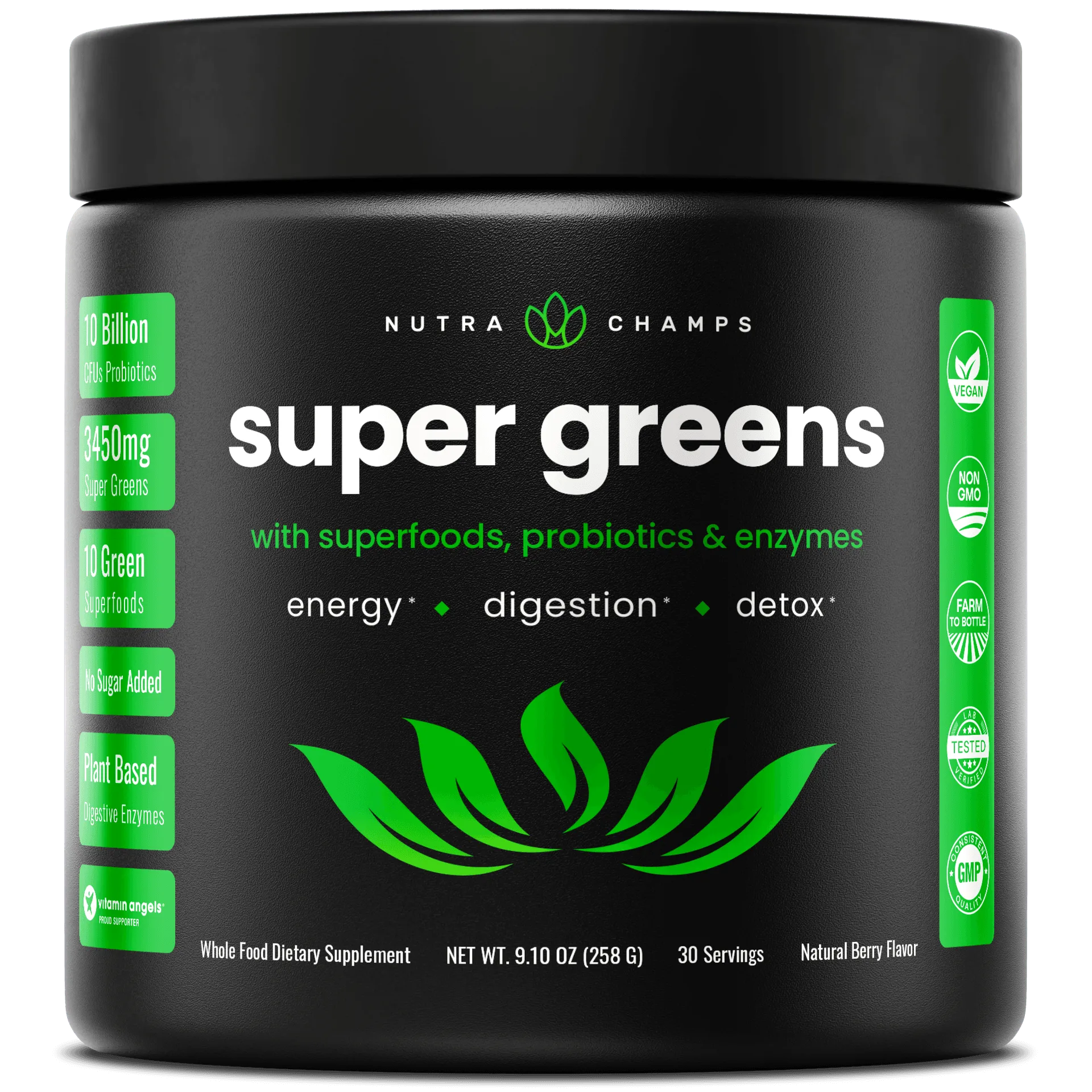
super greens
Before we dive in, it's helpful to understand what each supplement actually is. A multivitamin is a concentrated dose of essential vitamins and minerals, designed to cover your baseline micronutrient needs. Super greens, on the other hand, are powdered blends of vegetables, fruits, grasses, and sometimes probiotics or enzymes, offering a broader spectrum of plant-based nutrients and antioxidants. While they overlap in some areas, they serve distinct purposes in your diet.
What Are Super Greens?
Super greens powders are made by drying and grinding a variety of nutrient-dense plants—think spinach, kale, wheatgrass, spirulina, chlorella, and barley grass—into a convenient powder that you mix with water or your favorite smoothie. The goal is to concentrate the vitamins, minerals, and phytonutrients found in these vegetables into a single scoop. Many formulas also include digestive enzymes, probiotics, and adaptogens to support gut health and stress response.

digestive enzymes
The primary appeal of super greens is that they deliver a wide array of plant compounds that go beyond traditional vitamins and minerals. These include chlorophyll, flavonoids, and carotenoids, which act as antioxidants and support cellular health. For people who struggle to eat enough vegetables, super greens offer a practical way to boost their intake of these beneficial compounds.
- Rich in antioxidants and phytonutrients
- Often includes probiotics and enzymes for digestion
- Provides a concentrated source of vegetable nutrition
What Are Multivitamins?
Multivitamins are supplements that contain a blend of essential vitamins and minerals, typically in doses that help you meet recommended daily allowances. Common ingredients include vitamin C, vitamin D, B vitamins, zinc, magnesium, and iron, among others. They are designed to fill gaps in your diet and ensure your body has the micronutrients it needs for basic functions like energy production, immune support, and bone health.
Unlike super greens, multivitamins are not meant to replace whole foods but rather to complement them. They provide a reliable baseline of nutrients, especially for people with restricted diets, busy lifestyles, or increased nutritional needs. Many multivitamins are formulated for specific demographics, such as women, men, or seniors, with tailored nutrient profiles.
- Provides essential vitamins and minerals at RDA levels
- Targets specific health needs (e.g., women's health, energy)
- Convenient and easy to take daily
Key Differences: Super Greens vs Multivitamin
The most significant difference lies in their composition. Super greens focus on whole-food nutrition and plant compounds, while multivitamins prioritize isolated vitamins and minerals. This means super greens offer a broader range of nutrients, including many that aren't typically found in multivitamins, such as chlorophyll and various antioxidants. However, the vitamin and mineral doses in super greens are often lower than those in a multivitamin, making them less effective at correcting specific deficiencies.
Another difference is how they are absorbed. Because super greens come from whole foods, their nutrients are bound to fiber and other plant components, which may slow absorption but also support gut health. Multivitamins, being isolated nutrients, are often absorbed more quickly, but some people find them harsh on an empty stomach. Additionally, super greens often include enzymes and probiotics that aid digestion, which multivitamins typically lack.
- Nutrient density: Super greens offer more plant compounds; multivitamins offer higher doses of specific vitamins/minerals
- Digestive support: Super greens often include enzymes/probiotics; multivitamins usually don't
- Convenience: Both are easy to take, but super greens require mixing with liquid
Benefits of Super Greens
Super greens are celebrated for their ability to increase your daily intake of vegetables and their associated health benefits. The antioxidants in super greens help combat oxidative stress, which is linked to aging and chronic disease. The chlorophyll in greens has been studied for its potential to support detoxification and improve skin health. Additionally, the fiber and enzymes in super greens can promote a healthy gut microbiome and regular digestion.
For those who find it challenging to eat the recommended 5-7 servings of fruits and vegetables daily, super greens offer a practical solution. They can also be a great addition to a smoothie or juice, making it easier to get a variety of plant nutrients in one serving. Some users report increased energy and improved mental clarity, likely due to the nutrient boost and better digestion.
- Supports antioxidant defenses and reduces oxidative stress
- Promotes digestive health with fiber, enzymes, and probiotics
- Helps bridge the gap for those who don't eat enough vegetables
Benefits of Multivitamins
Multivitamins are designed to prevent nutrient deficiencies, which can cause fatigue, weakened immunity, and other health issues. They provide a reliable source of essential vitamins and minerals, especially for people with dietary restrictions like veganism or food allergies. For example, a multivitamin can ensure you get enough vitamin B12, vitamin D, or iron, which are common shortfalls in many diets.
Taking a multivitamin daily has been associated with improved energy levels, better immune function, and overall well-being. They are particularly beneficial for certain life stages, such as pregnancy, aging, or intense physical training, when nutrient needs increase. Multivitamins are also convenient—just one pill can cover your micronutrient bases, making them a staple for busy individuals.
- Prevents vitamin and mineral deficiencies
- Supports energy metabolism and immune health
- Tailored formulas for specific demographics (e.g., women's multivitamin)
Which One Should You Choose?
The answer depends on your individual health goals and dietary habits. If your main concern is filling specific nutrient gaps—like vitamin D or iron—a multivitamin is likely your best bet. It provides targeted doses that can correct deficiencies more effectively. On the other hand, if you're looking to boost your overall intake of plant nutrients, antioxidants, and support your digestive health, super greens may be more beneficial.
Many people find that using both together offers the most comprehensive approach. For example, you could take a multivitamin to cover your micronutrient bases and add a super greens powder to increase your antioxidant intake and support gut health. This combination ensures you're getting both isolated nutrients and whole-food phytonutrients. However, be mindful of overlapping ingredients, especially if your multivitamin already contains some of the same vitamins found in super greens.
- Choose a multivitamin if you have specific nutrient deficiencies or dietary restrictions
- Choose super greens if you want more plant-based antioxidants and digestive support
- Consider combining both for a comprehensive approach, but watch for overlapping nutrients
How to Incorporate Super Greens and Multivitamins into Your Routine
If you decide to take both, it's important to time them appropriately. Many people prefer to take their multivitamin in the morning with breakfast to aid absorption, especially if it contains fat-soluble vitamins like A, D, E, and K. Super greens powder can be taken at any time of day, but some find it energizing, so it might be best in the morning or before a workout. You can mix it with water, juice, or a smoothie.
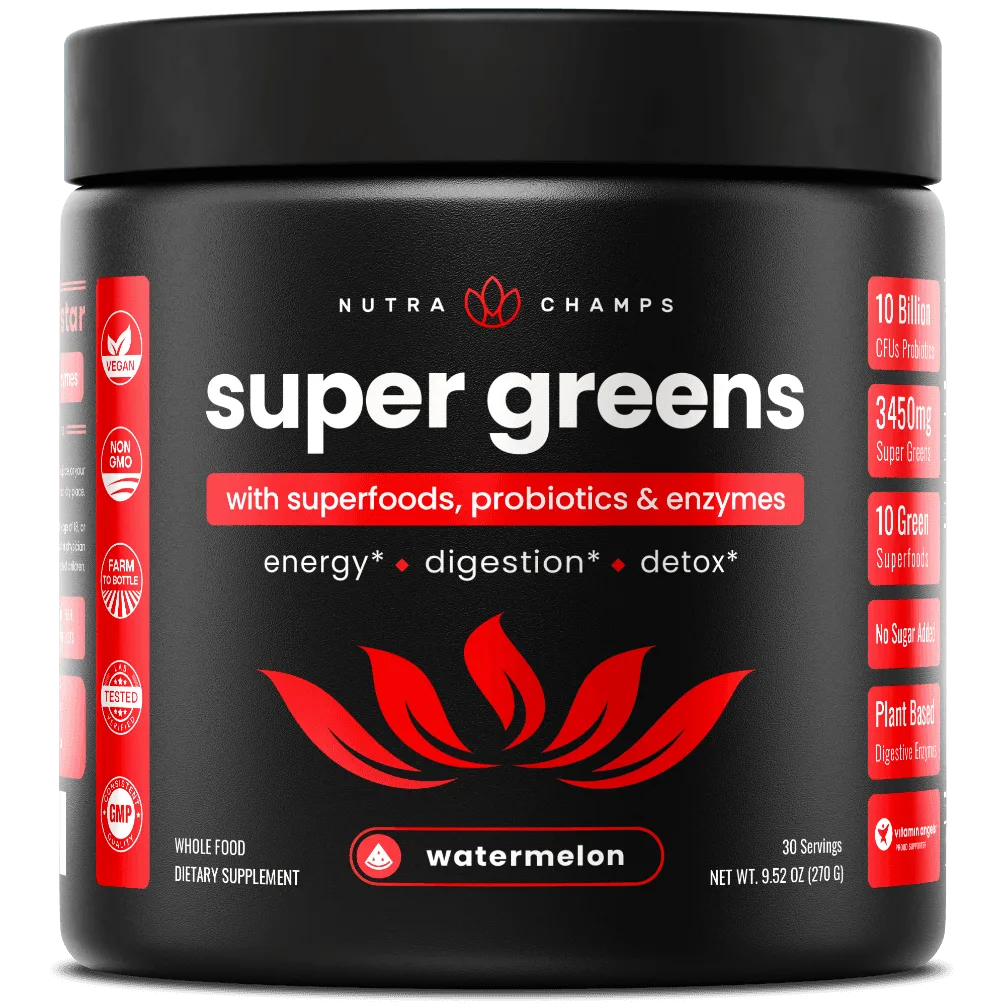
When choosing products, look for high-quality options from reputable brands. For example, Super Greens Watermelon offers a refreshing way to get your greens, while Women's Multivitamin Gummies provide a convenient chewable option for women. Always check the ingredient list to ensure you're getting what you need without unnecessary additives.
- Take multivitamins with a meal to enhance absorption
- Mix super greens with liquid and consume immediately for best taste
- Store both supplements in a cool, dry place away from sunlight
Ultimately, both super greens and multivitamins have their place in a balanced wellness routine. If you're still unsure, consider starting with one and assessing how you feel. For many, combining the two offers the best of both worlds—comprehensive micronutrient coverage plus the added benefits of plant-based antioxidants and digestive support. Explore our range of high-quality supplements to find the perfect fit for your health goals.