Quick answer
When transitions like a new school or a move trigger big feelings, treat the behavior as a signal of unmet need, not defiance. Name the emotion you see, keep routines predictable, and give your child a concrete way to practice emotional learning, such as a short daily check-in or a hands-on activity. If intense distress lasts more than a few weeks or disrupts sleep, eating, or school, talk with a pediatrician or child therapist.
Change is hard for most kids, even when it's a good change. A new school, a move, a shift in routine, or a friend moving away can all stir up big feelings that look like tantrums, clinginess, or withdrawal. The problem isn't that your child is being difficult; it's that their nervous system is trying to make sense of something unfamiliar.
Emotional learning during transitions means helping your child name what they feel and find safe ways to move through it. That's a skill you can teach, not a trait they either have or don't. This guide walks through what you might see, what's likely driving it, what to do, and when to get more support.
What transition trouble usually looks like
Symptoms of transition anxiety in children often show up as behavior changes rather than words. You might see more meltdowns at drop-off, a sudden return to thumb-sucking or bedwetting, trouble falling asleep, or a child who seems angry one minute and tearful the next. Some kids get quiet and withdrawn instead. These are all normal stress responses when the ground feels unsteady.
The key is to notice patterns. Does the behavior cluster around a specific time, like Sunday nights before school? Does it ease once your child is settled in a familiar activity? Tracking when and where the distress shows up helps you separate a transition reaction from something else, like a friendship problem or a learning difficulty.
- Keep a simple log for one week: time, trigger, behavior, and how long it lasted.
- Look for improvement over two to four weeks as the new routine becomes familiar.
Why change hits kids harder than adults expect
Children have less life experience to draw on, so a new school or a move can feel like the whole world has changed. They also have fewer words for what they feel, which means the feeling comes out as action. On top of that, transitions often remove predictable routines, and predictability is what helps kids feel safe.
This is why helping kids with change works better when you focus on two things at once: restoring some predictability and building emotional vocabulary. A child who can say 'I'm nervous about not knowing anyone' is less likely to show that nervousness as a fight at the school gate.
- Keep bedtime, meals, and morning routines as consistent as possible during the transition.
- Preview what's coming in simple, concrete terms: who will be there, what happens first, when you'll be back.
Corrective actions that actually help
Start with connection before correction. Spend five minutes a day doing something your child chooses, with no teaching or fixing. That small deposit of attention makes it easier for them to borrow your calm when things feel big. Then name emotions out loud, both yours and theirs, without judgment: 'It looks like you're frustrated that I have to leave.'
Give your child a hands-on way to practice emotional learning. A short daily check-in, a feelings poster, or a simple craft can turn abstract feelings into something they can see and talk about. For example, a poster with faces and feeling words gives a child a way to point instead of act out. Pair it with a routine question like 'What was the best part and the hardest part of today?' to keep the conversation going.
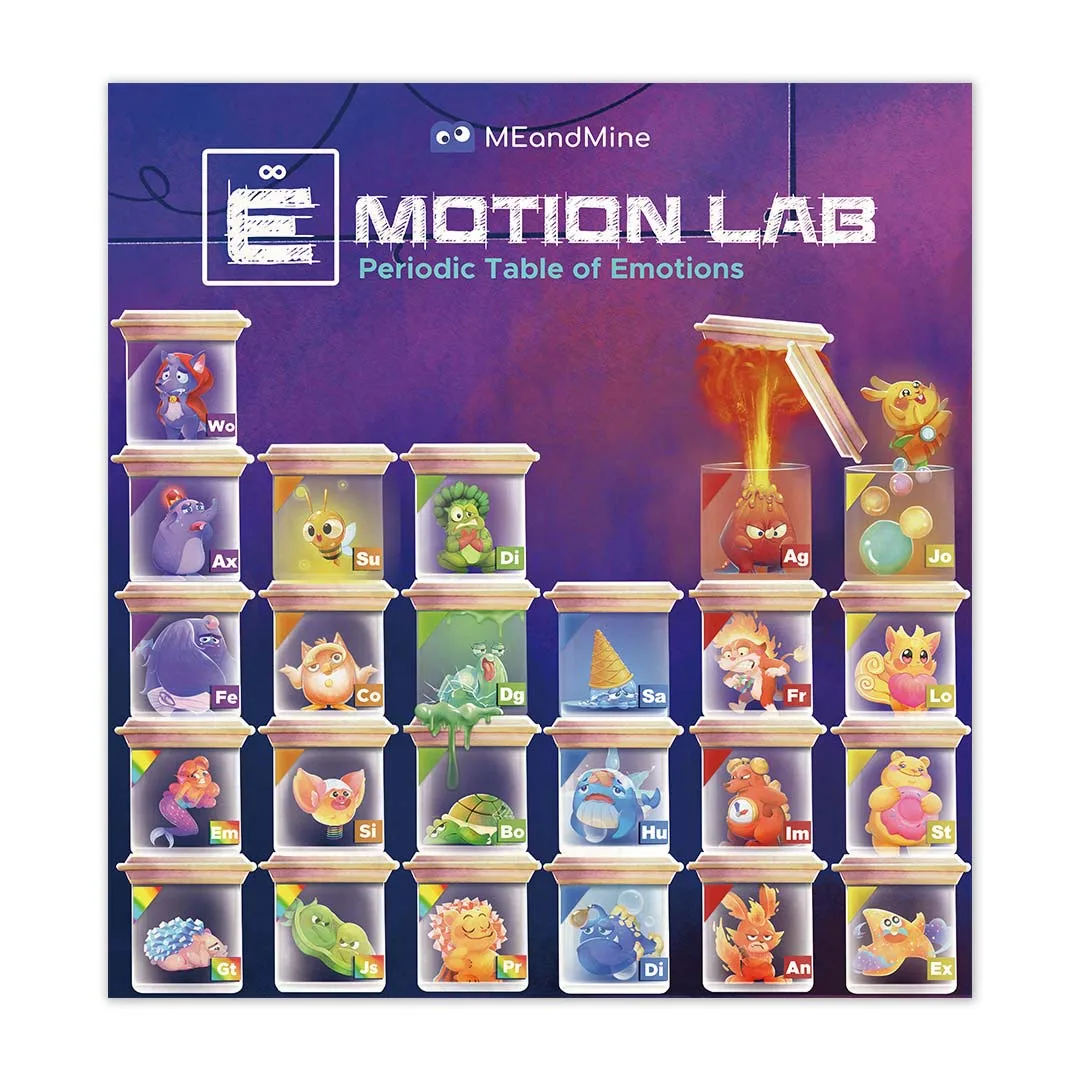
poster
- Use a consistent phrase when leaving: 'I always come back.'
- Practice transitions in small doses, like a short separation at a friend's house, before the big one.
When to stop and get more support
Most transition-related distress eases within a few weeks as the new routine becomes familiar. But if your child's distress is intense, lasts more than a month, or interferes with sleep, eating, school attendance, or friendships, it's time to talk with a pediatrician or child therapist. You don't have to wait for a crisis to ask for help.
Also stop if your own efforts are making things worse. If every conversation about school turns into a battle, back off the talking and focus on low-pressure connection. Sometimes the best move is to pause the emotional learning activities and simply be present.
- Red flags: persistent refusal to go to school, frequent stomachaches with no medical cause, or talk of self-harm.
- If you're unsure, a single consultation with a professional can give you a clear plan.
Diagnosis: matching the symptom to the right response
- Symptom: meltdowns at drop-off or bedtime: Likely cause: fear of separation and loss of predictability. Corrective action: create a consistent goodbye ritual, keep routines steady, and validate the feeling without extending the goodbye. If this doesn't improve in two weeks, consider a visual schedule or a transitional object.
- Symptom: withdrawal or refusal to talk: Likely cause: emotional overload or lack of words for the feeling. Corrective action: reduce pressure to talk, offer alternative ways to communicate like drawing or pointing to a feelings poster, and stay nearby without demanding conversation. If withdrawal lasts more than a month or comes with loss of interest in friends, seek professional advice.
- Symptom: regression (thumb-sucking, baby talk, bedwetting): Likely cause: a nervous system seeking comfort and safety. Corrective action: avoid shaming, offer extra comfort, and keep age-appropriate expectations for other areas like chores or self-care. Regression usually fades as security returns. If it persists beyond a few weeks, talk with your pediatrician.
Tools that support emotional learning during change
- Amazing Me - Monthly Program: A monthly program priced at USD 14.98 (compare at USD 29.95). A structured, ongoing program can provide consistent emotional learning practice, which is especially helpful when other parts of life feel unpredictable.
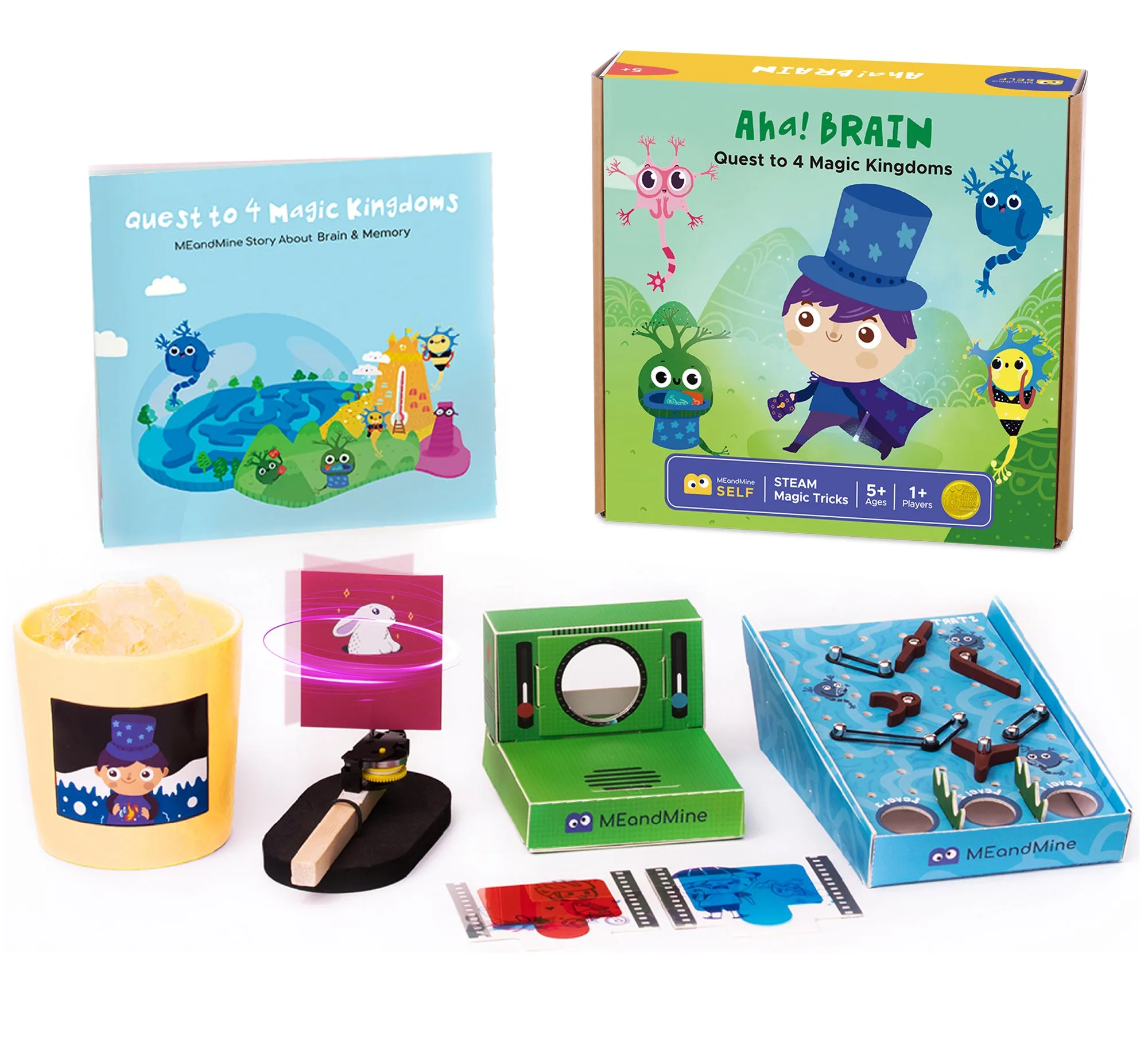
- Aha! Brain: An award-winning play kit that uses STEM challenges to teach brain science, problem-solving, and imagination. Hands-on problem-solving gives kids a sense of mastery and control, which can counter the helplessness that often comes with big changes.
- Poster: A visual poster priced at USD 3.00 (compare at USD 5.99). A feelings poster gives children a concrete way to point to and name emotions when words are hard to find during stressful transitions.
Transitions are tough, but they're also a chance to build emotional learning that lasts. Start with connection, keep routines predictable, and give your child simple tools to name what they feel. If the distress runs deep or long, bring in a professional. You're not failing; you're getting the right support.