Quick Answer
Choose Supreme Milky Oolong if you want a creamy, buttery cup with a signature milky fragrance; choose Osmanthus Oolong if you prefer a floral, fruity oolong with a citrus edge and a touch of tannin.
The Core Trade-Off: Creamy Texture vs Floral Complexity
The main decision comes down to what you want from the cup. Supreme Milky Oolong delivers a soft, buttery mouthfeel and a milky aroma that lingers, making it a comforting, dessert-like tea. Osmanthus Oolong, on the other hand, offers a brighter, more layered profile: floral osmanthus petals add a fruity, citrusy lift, and a slight tannin gives the finish some grip. If you enjoy teas that change as they cool, the osmanthus option rewards attention; if you want consistency and richness, the milky oolong is the safer pick.
Origin and Processing Shape the Flavor
Supreme Milky Oolong comes from Anxi, Fujian, and is hand-picked from young first-season sprouts. That early harvest and the specific cultivar are what create its signature milky fragrance naturally, without added flavorings. Osmanthus Oolong is a Taiwanese oolong from Alishan, scented with real osmanthus flower petals. The medium roast in both teas provides a smooth base, but the Taiwanese leaf tends to be a bit more floral and fruity, while the Anxi leaf leans creamy and buttery. Neither tea is heavily roasted, so you won't find deep toasted notes here.
Brewing Both Teas: Same Temperature, Different Rewards
Both teas brew at 195°F for 2 minutes with about 3g of tea per 6 fl oz of water, so you can use the same setup for either. That said, the osmanthus tea can turn slightly tannic if you steep it longer, so set a timer. The milky oolong is more forgiving if you accidentally go a few seconds over. If you like to re-steep, both hold up for a second infusion, but the milky oolong tends to keep its creamy character, while the osmanthus may lose some of its floral top notes.
Trade-Offs at a Glance
- Flavor Profile: Supreme Milky Oolong: milky, buttery, lightly floral. Osmanthus Oolong: fruity, citrus, floral, slight tannin. If you want a creamy oolong tea, pick the milky; for a floral oolong comparison with more brightness, pick the osmanthus.
- Aroma: Supreme Milky Oolong has a distinct milky fragrance; Osmanthus Oolong is floral and fruity. Aroma lovers who want a dessert-like scent should go milky; those who prefer a fresh, floral bouquet should go osmanthus.
- Brewing Forgiveness: Both brew at 195°F for 2 minutes, but Osmanthus Oolong can become tannic if over-steeped, while Supreme Milky Oolong stays creamy. If you tend to multitask while brewing, the milky oolong is more forgiving.
Product Facts
-
Supreme Milky Oolong: Hand-picked from young first-season sprouts in Anxi, Fujian, and medium roasted. This early harvest and careful processing help create the natural milky fragrance without added flavorings.
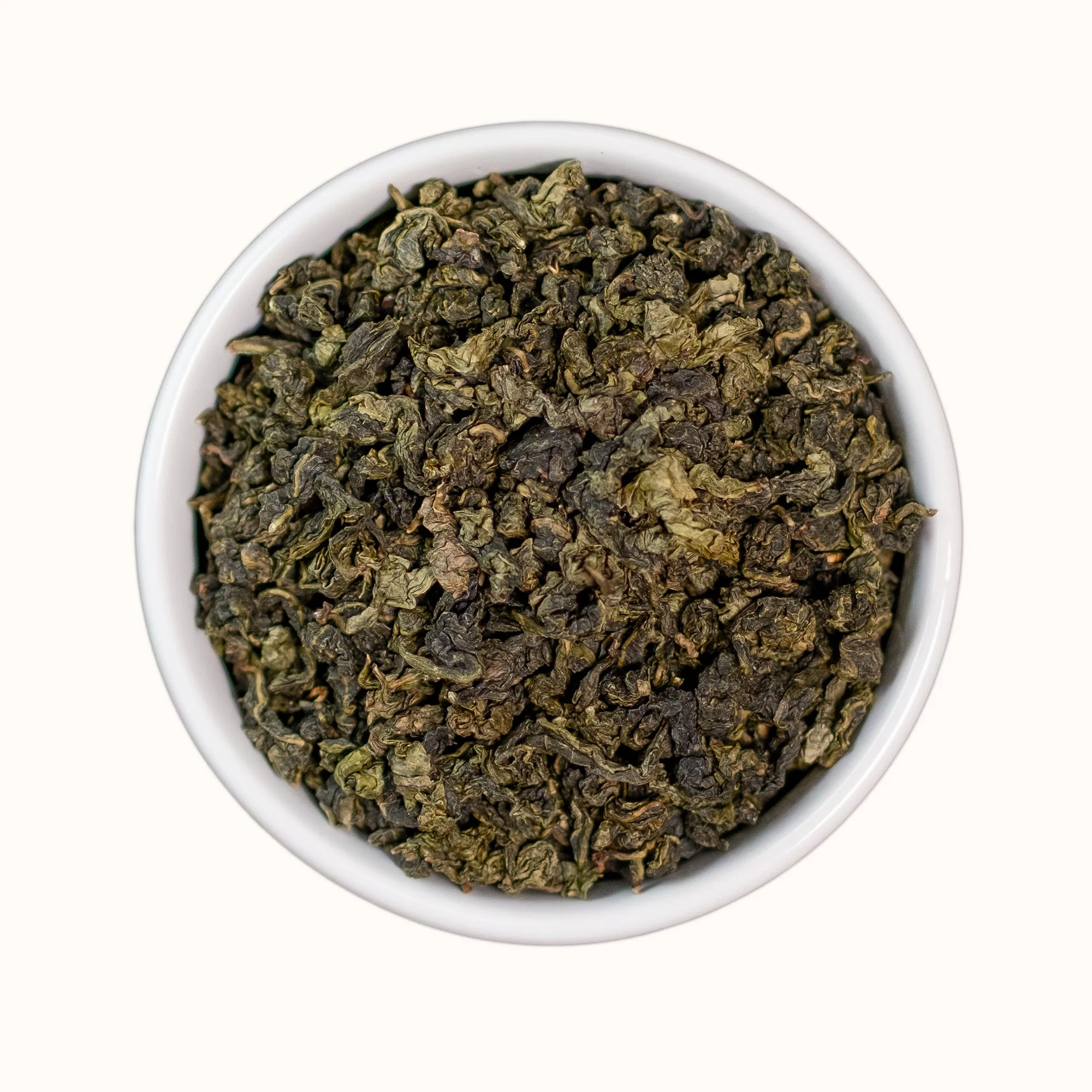
Supreme Milky Oolong
-
Osmanthus Oolong: Taiwanese oolong from Alishan scented with osmanthus flower petals; ingredients are oolong tea and osmanthus flower. The real flower petals give a floral, fruity flavor with a slight tannin that sets it apart from creamy oolongs.
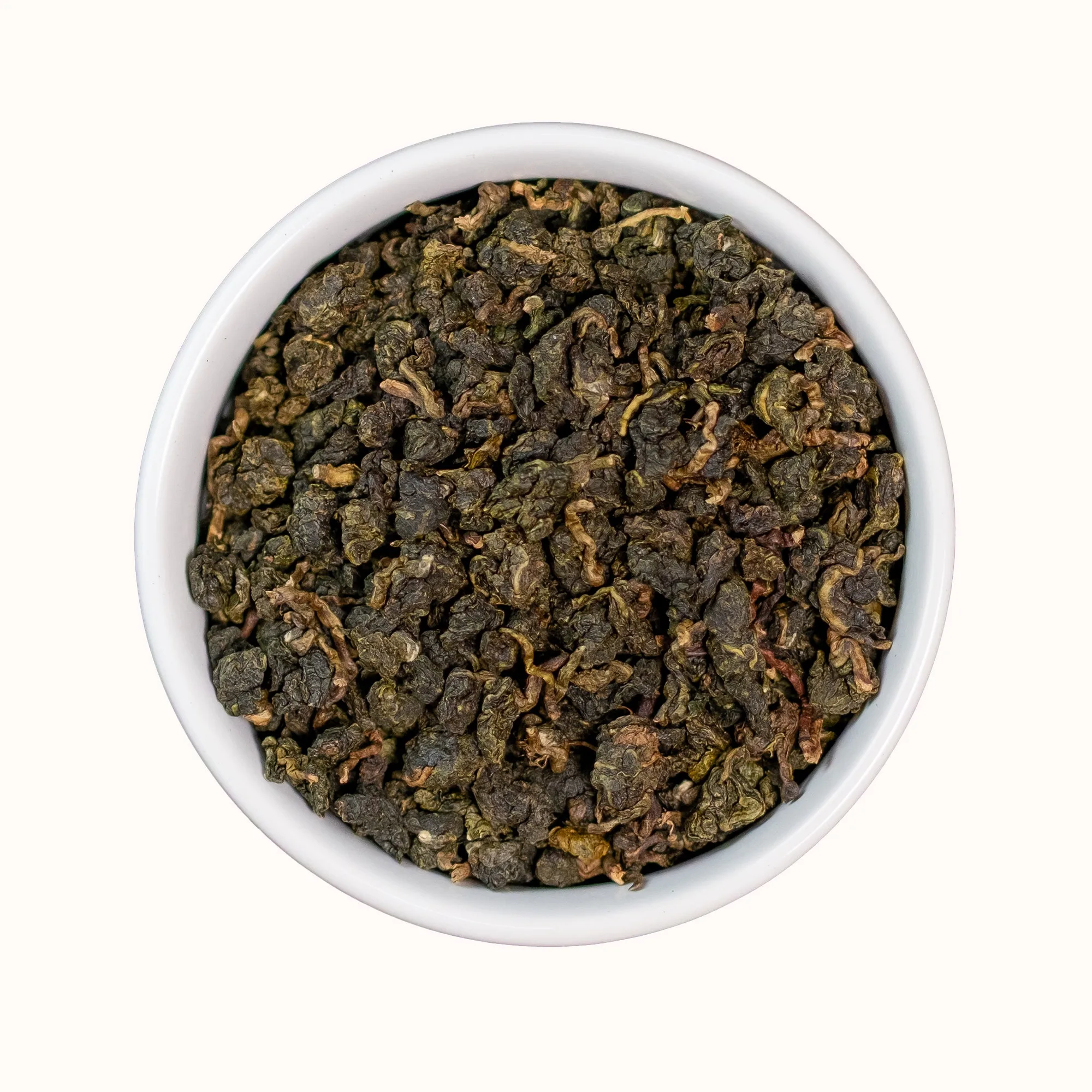
Osmanthus Oolong
Which Oolong Should You Choose?
Best for
- Those who love creamy, buttery teas and dessert-like aromas
- Brewers who want a forgiving tea that maintains flavor if steeped a little long
- Anyone looking for a natural milky fragrance without added flavorings
Not for
- Drinkers who prefer bright, citrusy, floral teas with a bit of tannin
- Those who want a tea that changes significantly across infusions
- People who dislike milky or buttery notes in tea