Quick Answer
A surge protector safeguards your electronics from voltage spikes, while a power strip merely adds extra outlets. For valuable devices like computers and TVs, always use a surge protector. Choose a power strip only for low-cost, non-sensitive appliances.
When you need to plug in multiple devices, the terms 'surge protector' and 'power strip' are often used interchangeably. However, they serve very different purposes, and mixing them up can put your expensive electronics at risk. This guide breaks down the safety and usage differences so you can make an informed choice.
We'll compare their core functions, explain why surge protection matters, and help you decide which one belongs in your home office, entertainment center, or workshop.
What Is a Power Strip?
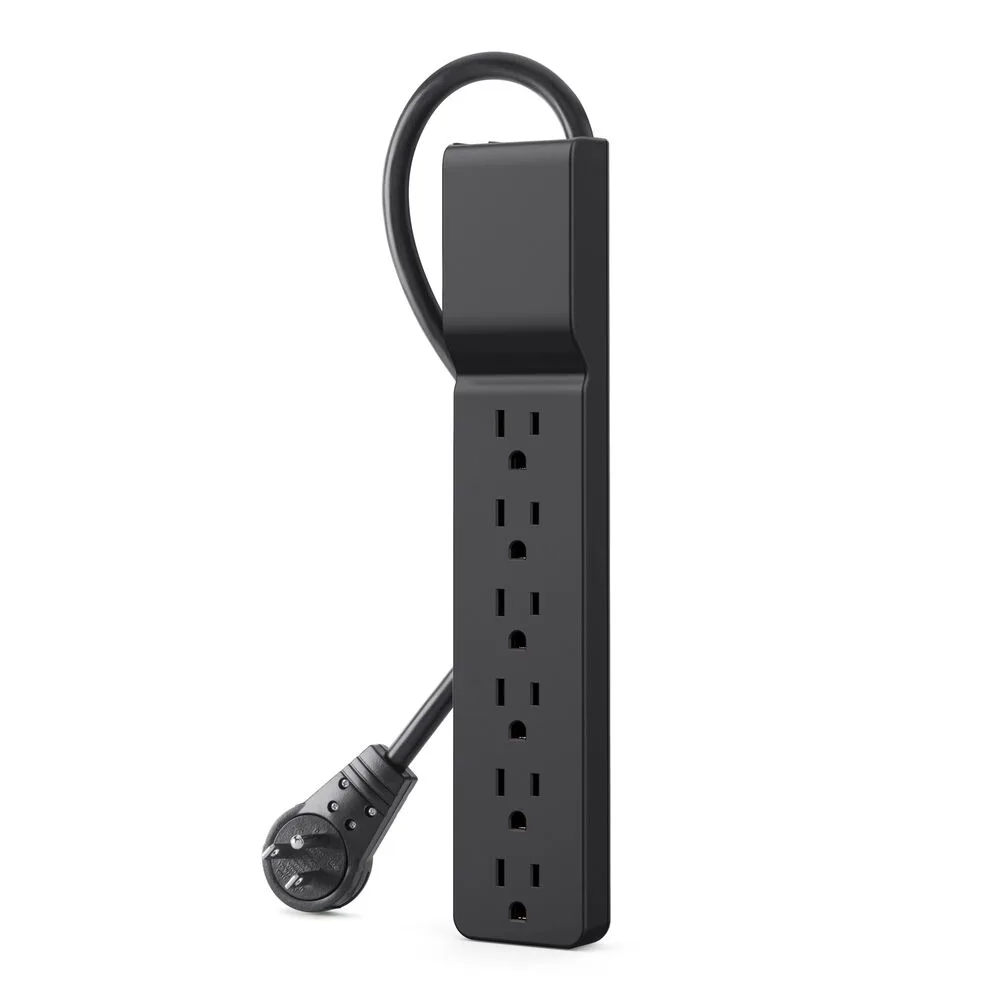
A power strip is essentially a multi-outlet extension cord. It provides additional outlets from a single wall socket, allowing you to plug in several devices at once. It typically includes a circuit breaker to protect against overloads, but it does not protect against power surges.
Power strips are designed for convenience, not safety. They are suitable for low-power, non-sensitive devices like lamps, phone chargers (though a surge protector is better), and small appliances. However, they offer no protection against voltage spikes, which can damage your electronics.
- Ideal for temporary setups and low-cost devices.
- Often lacks surge protection circuitry.
What Is a Surge Protector?
A surge protector includes additional circuitry that diverts excess voltage away from your devices. It acts as a shield against power spikes, which can occur from lightning strikes, power outages, or grid switching. Surge protectors are essential for expensive electronics like computers, TVs, and gaming consoles.
Belkin offers a range of surge protectors designed to safeguard your valuable equipment. For example, the 12 Outlet Surge Protector + USB-C and USB-A ports provides 12 AC outlets and integrates USB-C and USB-A ports for charging, all while protecting your devices from surges. Similarly, the 6 Outlet Wall Surge Protector with USB-C and USB-A offers a compact wall-mounted solution with six outlets and USB ports.
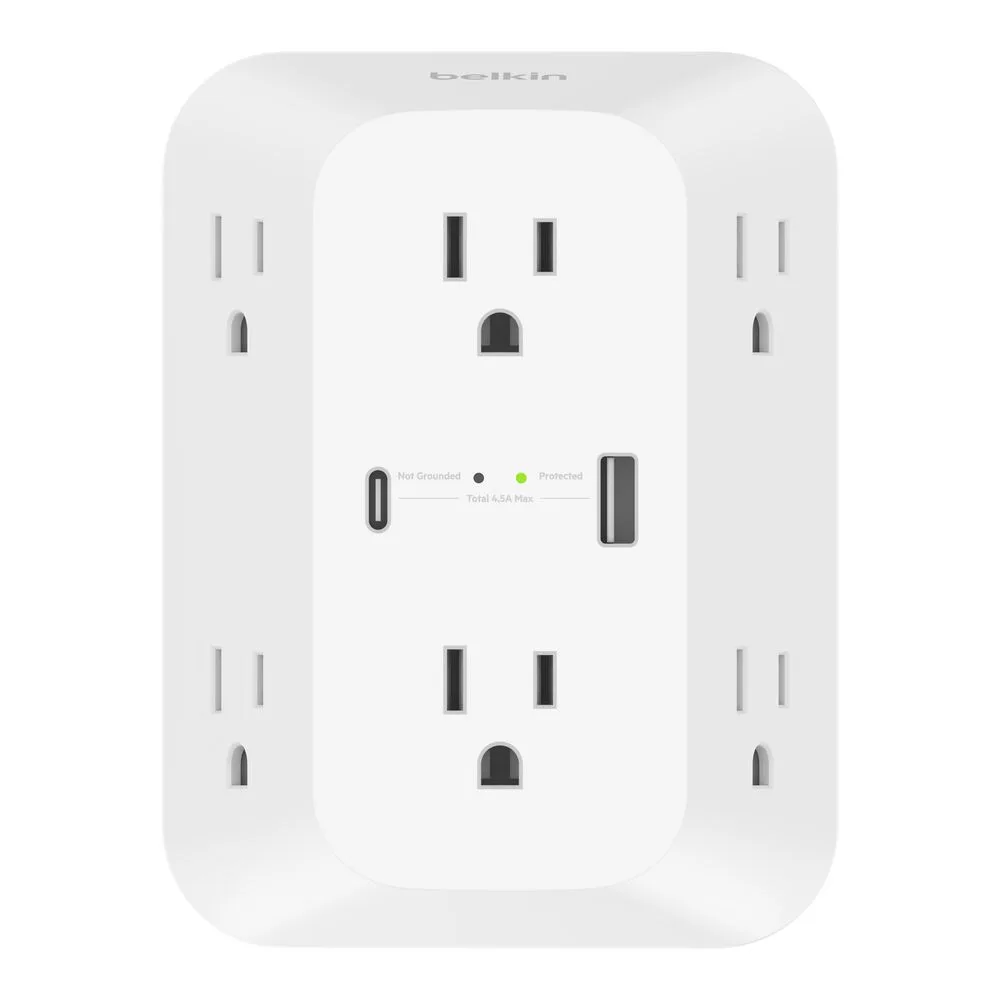
6 Outlet Wall Surge Protector with USB-C and USB-A
- Provides protection against voltage spikes.
- Includes USB ports for convenient charging.
Key Differences: Safety and Usage
The main difference lies in the level of protection. A power strip is simply an extension cord with multiple outlets, while a surge protector adds a layer of defense against power surges. Surge protectors are essential for sensitive electronics, whereas power strips are fine for low-cost items.
When deciding, consider the value of the devices you're plugging in. If it's a $500 TV, a surge protector is a no-brainer. For a $20 desk lamp, a power strip suffices. Also, check the joule rating (a measure of energy absorption) on surge protectors; higher is better.
- Surge protectors have a joule rating; power strips do not.
- Power strips are cheaper but offer no surge protection.
When to Use a Surge Protector
Use a surge protector for any device that contains sensitive electronic components, such as computers, televisions, gaming consoles, and home theater systems. These devices are vulnerable to power spikes and can be costly to replace.
In a home office setup, a surge protector like the Surge Protector with USB-C and USB-A Ports (6 Outlet with 1 USB-C & 1 USB-A) provides reliable power distribution and direct USB charging, making it a smart choice for your desk.
- Protect your computer, monitor, and router.
- Ideal for entertainment centers and gaming setups.
When to Use a Power Strip
Power strips are suitable for low-power, non-sensitive devices like lamps, fans, and phone chargers (though a surge protector is better). They are also handy for temporary setups, such as holiday lights or DIY projects.
However, even for these devices, a surge protector offers extra safety. If you're unsure, investing in a surge protector is always a safer choice.
- Good for temporary setups and low-cost appliances.
- Not recommended for valuable electronics.
Trade-Offs at a Glance
- Protection level: Surge protectors offer protection against voltage spikes; power strips do not. Choose surge protectors for valuable electronics.
- Cost: Power strips are generally cheaper, but surge protectors provide better value for expensive devices. Invest in surge protection for peace of mind.
- Convenience: Both offer multiple outlets, but surge protectors often include USB ports and higher quality construction. Surge protectors are more versatile.
Belkin Surge Protectors: What to Look For
- 12 Outlet Surge Protector + USB-C and USB-A ports: 12 AC outlets to power multiple devices at once, 6-foot power cord, integrated USB-C and USB-A ports. Provides ample outlets and convenient charging for a home office or entertainment center, all in one unit.
- 6 Outlet Wall Surge Protector with USB-C and USB-A: Six AC outlets, includes USB-C and USB-A ports, compact design. Perfect for a wall outlet, saving space while offering surge protection and direct USB charging.
- Surge Protector with USB-C and USB-A Ports (6 Outlet with 1 USB-C & 1 USB-A): 6 AC outlets, 1 USB-C and 1 USB-A port, 18W USB charging. Offers fast charging for smartphones and tablets while protecting your devices from surges.
Which One Should You Choose?
Best for
- Home offices and entertainment centers with expensive electronics.
- Anyone who wants to protect their devices from power surges.
Not for
- Temporary, low-cost setups where surge protection is unnecessary.
In summary, surge protectors are essential for safeguarding your valuable electronics, while power strips are fine for low-cost items. When in doubt, always choose a surge protector. Check out the Surge Protector with USB-C and USB-A Ports for a reliable option that combines protection and charging convenience.