Quick answer
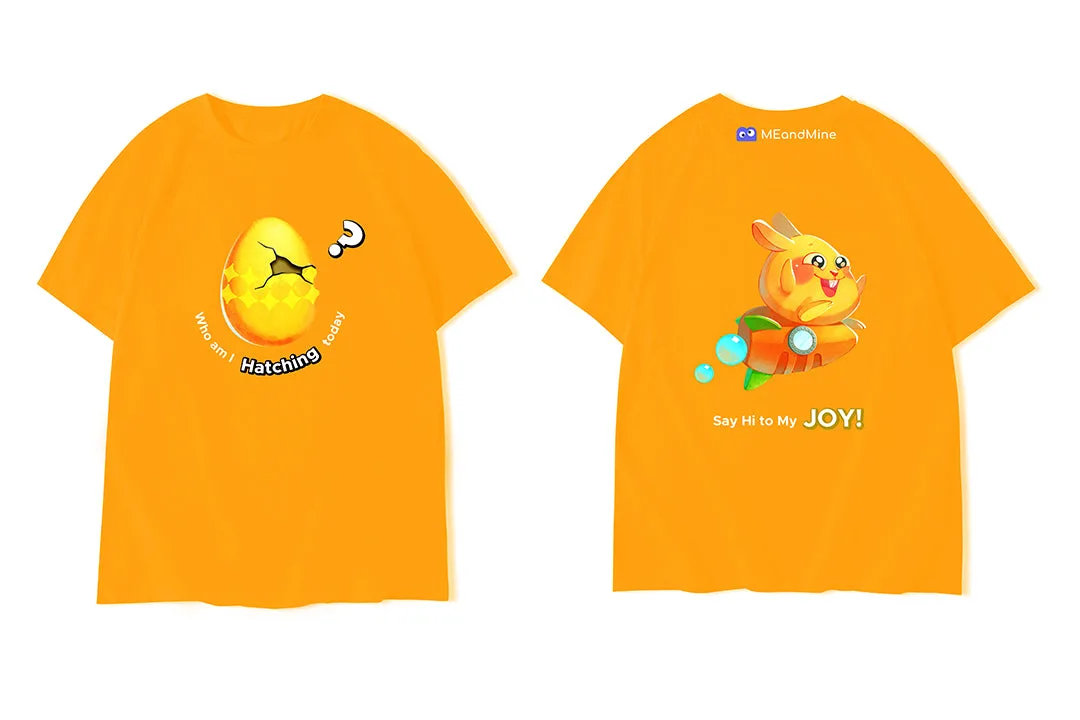
Choose a feelings t shirt your child will actually wear, then let the design do the talking. For most families, a simple emotion shirt plus one hands-on kit works better than a whole wardrobe of themed tees. Start with one or two shirts your child picks, and pair them with a conversation tool like Emotion Science Starter Kits so the talk has somewhere to go.
Emotion Science Starter Kits
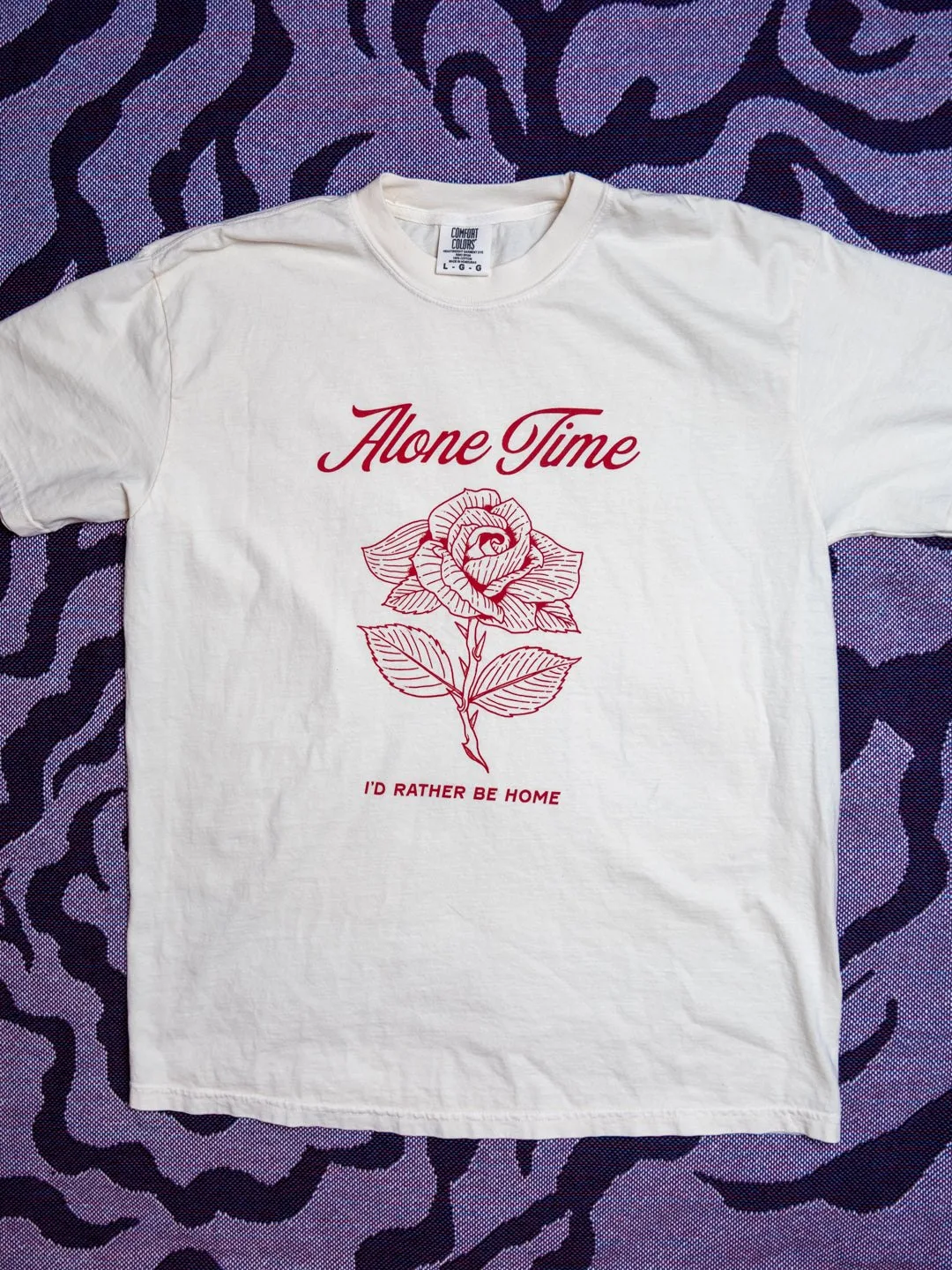
A surprise t shirt kids can wear is one of the easiest ways to open a feelings conversation without it feeling like a lesson. The shirt sits in plain sight, so a question like "What does that face mean?" happens naturally at breakfast or in the car.
This guide covers how to choose emotion shirts for children, what to check before you buy, and how to pair a feelings t shirt with a hands-on activity so the conversation keeps going after the first laugh.
Why a shirt works as a conversation starter
Kids often answer questions about themselves more freely when the topic is on someone else. A shirt with a feeling face gives you a neutral object to point at, so you can ask what that feeling looks like, when it shows up, and what helps. That small distance makes big feelings easier to name.
The trick is keeping the shirt in rotation. If it is itchy, too tight, or a color your child avoids, it stays in the drawer and the conversation never starts. Pick comfort first, then design.
- Let your child choose the feeling face, even if it is not the one you would pick.
- Wear your own feeling shirt on the same day to make it a shared thing.
- Keep the first conversation short. One question is enough.
What to check before you buy
Look at the print placement, the fabric weight, and the wash instructions. A print that sits high on the chest is easy for a child to see and point to; a print that runs across the stomach gets hidden under a table. Fabric weight matters because heavy cotton can feel stiff to kids who are sensitive to texture.
Check the size chart against a shirt your child already wears rather than guessing from age. If the chart is missing measurements, treat that as a limitation and size up only when you know the brand runs small.
- Read the care label before the first wash so the print stays readable.
- Buy one shirt first, then add more once you know the fit works.
- Skip designs with small text if your child is still learning to read.
Pairing a shirt with a hands-on tool
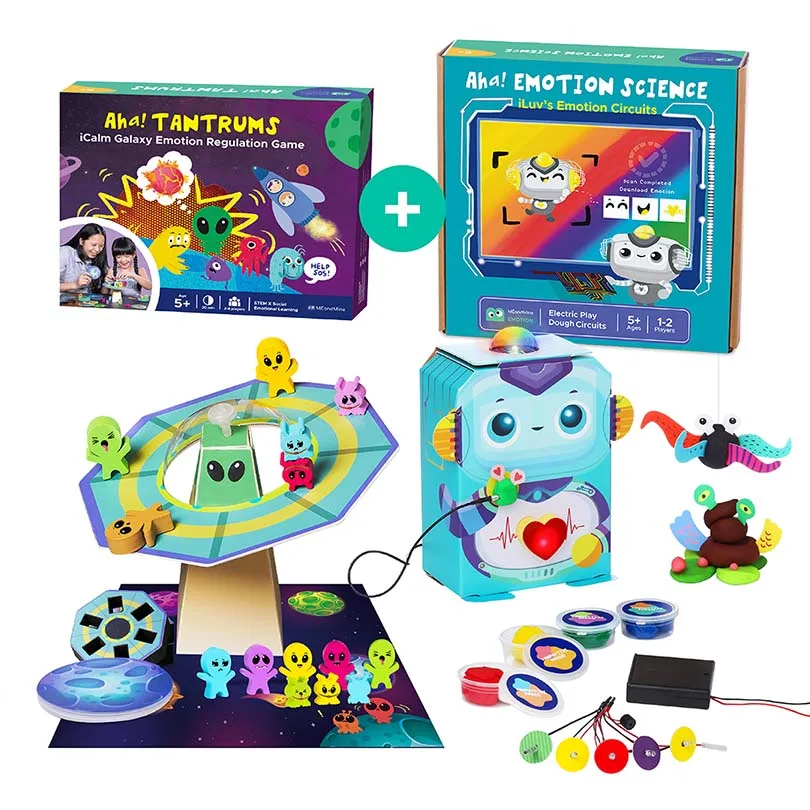
A shirt starts the conversation, but a game or kit gives it a place to land. Emotion Science Starter Kits are designed by pediatricians and psychologists to help kids understand how emotions work, label feelings, and build calming skills through play. That makes them a natural next step after a shirt prompts a question.
You do not need both at once. Try the shirt for a week, notice which feeling your child keeps pointing to, then bring in an activity that matches that feeling. The shirt becomes a reminder, and the activity becomes the practice.
- Match the kit activity to the feeling on the shirt.
- Keep the kit where the shirt lives so they get used together.
- Let your child lead the game even if the rules go sideways.
Sizing, fit, and sensory needs
Fit is the number one reason feeling shirts get abandoned. A shirt that is too long gets tucked or knotted, and a shirt that is too snug gets pulled at all day. Measure a shirt your child already wears and compare it to the size chart before ordering.
If your child is sensitive to seams, tags, or heavy prints, look for a softer cotton and a print that does not sit right at the neckline. When a size chart or fabric weight is not listed, ask before you buy rather than guessing.
- Lay a favorite shirt flat and measure chest and length.
- Wash once in cold water before the first wear to check for shrinkage.
- If your child refuses the shirt, try a different feeling face before giving up on the idea.
Decision rules for choosing a feelings shirt
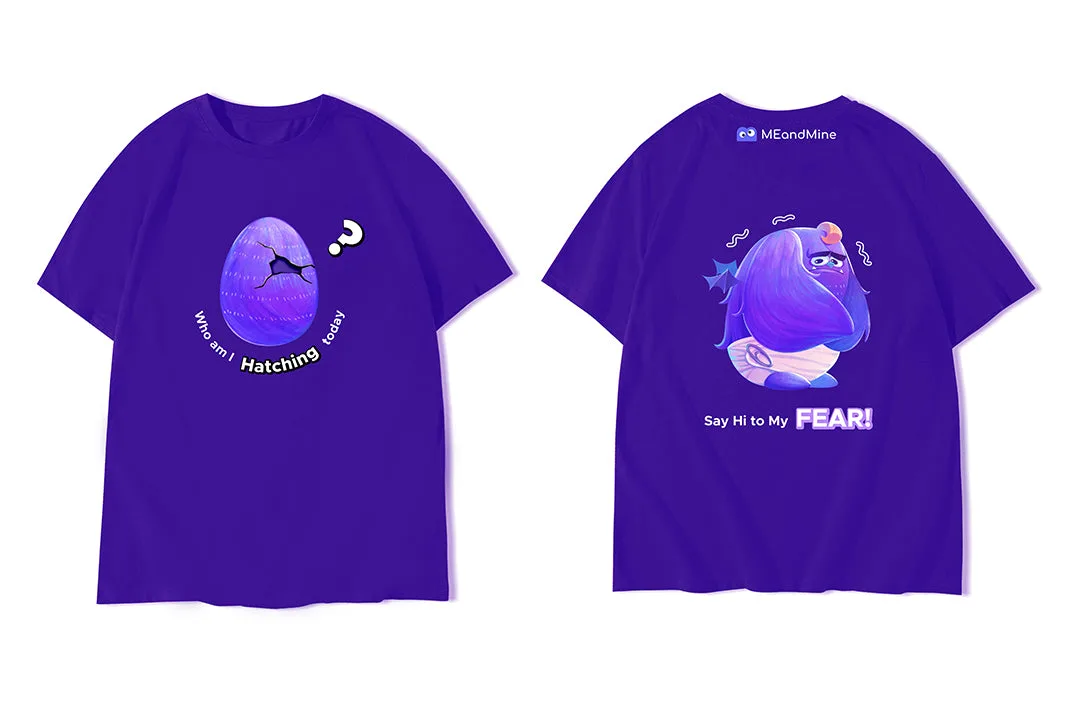
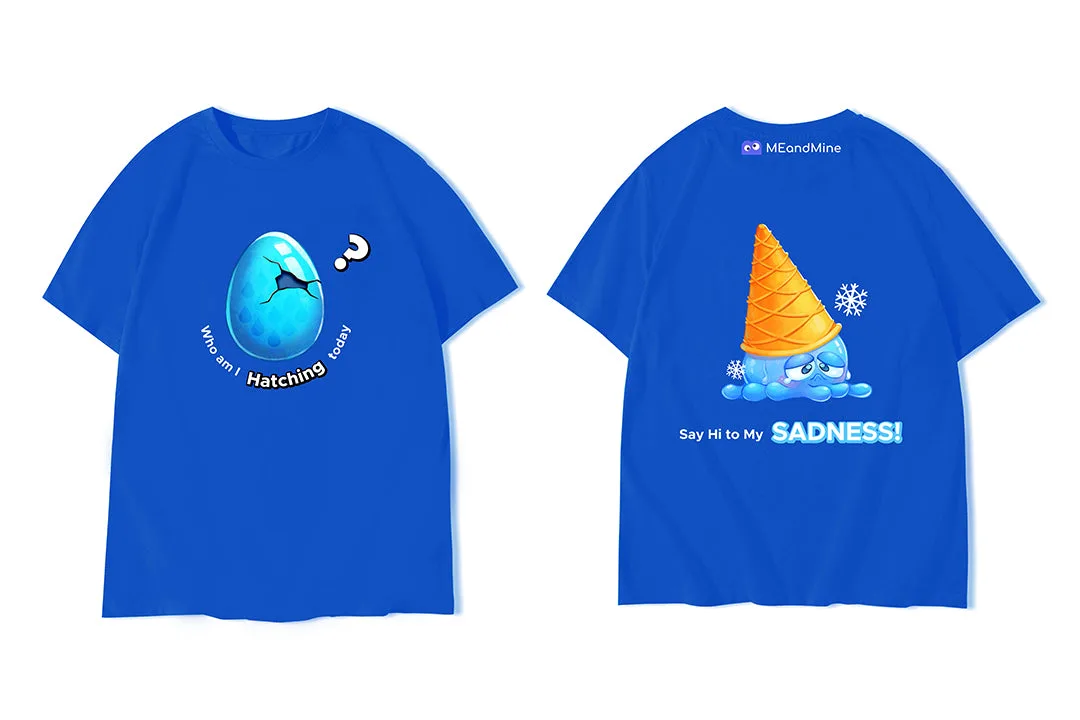
- If your child is new to feelings talk: Start with one shirt showing a single clear face, such as T-shirts (Fear) or T-shirts (Sadness), and wear it on a low-stress day. One feeling at a time beats a whole set.
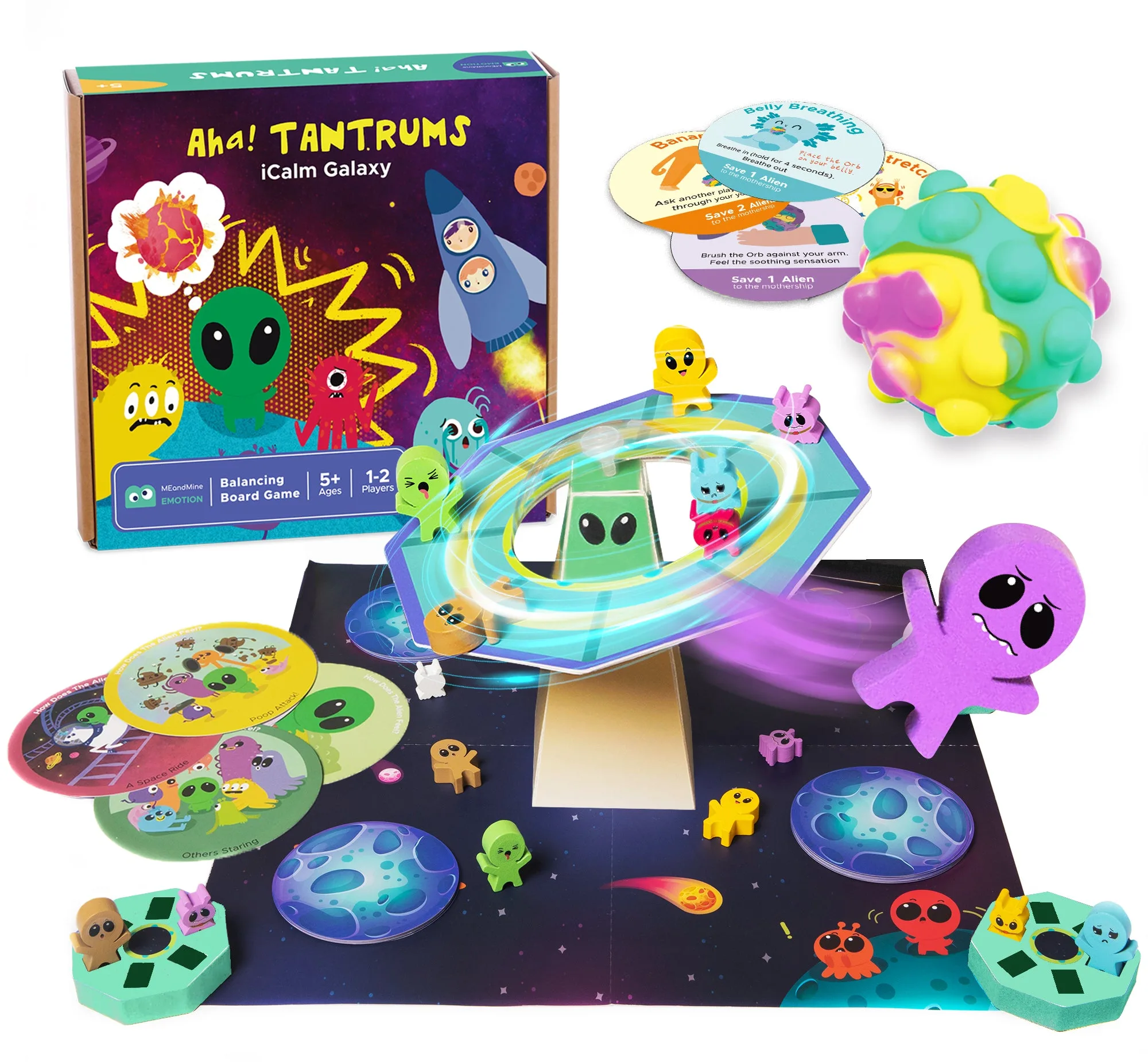
- If your child already names feelings easily: Add a hands-on tool like Emotion Science Starter Kits or Aha! Tantrums so the conversation moves from naming to practicing. Shirt plus activity is the stronger combo.
- If your child is picky about fabric: Check the size chart and fabric weight first. If neither is listed, ask before ordering rather than guessing. Fit and feel decide whether the shirt ever gets worn.
- If you are buying as a gift: The gift card option on the T-shirts (Fear) and T-shirts (Sadness) records lets the child choose their own feeling face, sent by email within 24 hours. Letting the child pick raises the odds they wear it.
Product facts that matter for this choice
- T-shirts (Fear): Catalog price USD 10.00, comparison price USD 20.00, category Body. Catalog facts describe a gift card option sent by email within 24 hours, printable or emailable. The low entry price makes it easy to test one feeling shirt before buying more. The gift card detail is useful if you want to let a child choose their own design.
- T-shirts (Sadness): Catalog price USD 10.00, comparison price USD 20.00, category Body. Catalog facts describe a gift card option sent by email within 24 hours, printable or emailable. Sadness is often the hardest feeling for kids to name, so a shirt that names it gives you a direct opening. Same low price point as the Fear shirt.
- Emotion Science Starter Kits: Catalog price USD 29.95, comparison price USD 59.90. Designed by pediatricians and psychologists to help kids understand how emotions work, label feelings, and build a toolkit of calming skills. Hands-on play approach. This is the natural companion to a feeling shirt. The shirt starts the question; the kit gives your child a structured way to practice naming and regulating the feeling.
- Aha! Tantrums: Catalog price USD 14.98, comparison price USD 29.95. A 1-4 player board game where kids keep aliens emotionally balanced on the UFO and identify emotions through 40 scenario cards. The 40 scenario cards give you ready-made feeling situations to talk about, which pairs well with a shirt that shows one specific emotion.
Who this is for
Best for
- Families who want a low-pressure way to start feelings conversations
- Kids who respond better to objects and play than to direct questions
- Parents looking for an affordable first step before buying a full kit
Not for
- Families looking for a structured curriculum on its own
- Kids who refuse to wear printed shirts
- Anyone who needs a specific fabric or size guarantee that is not listed in the catalog
A surprise t shirt kids will wear is a small purchase with a long tail. Pick one feeling face your child chooses, check the fit before you commit, and pair it with a hands-on tool when you are ready to go deeper. The shirt opens the door; the conversation is yours to keep.