When an IEP disagreement turns into a due process hearing
Most IEP meetings end with a plan everyone can live with. Sometimes they don't. When parents and a school district cannot agree on a child's special education services, the disagreement can move into a formal due process hearing. That process has its own language, rules, and rhythm, and walking in unprepared can feel like stepping into a courtroom drama without a script.
The film Surviving Due Process was made to give parents that script. Based on a true story about a legal case involving a child with autism, it walks viewers through the intricacies of a due process hearing. You see cross-examination, objections to leading questions, and arguments between counsel, while also learning about the initial preparations necessary and how testimonies work. While the story centers on an autistic child, the content is relevant for anyone with a disabled child and for any legal issue.
What the film actually shows
-
Surviving Due Process: Based on a true story about a legal case involving a child with autism, Surviving Due Process takes parents through the intricacies of a due process hearing. A true-story format lets you watch the hearing process unfold rather than only reading about it, which can make the steps easier to recognize when you face your own dispute.
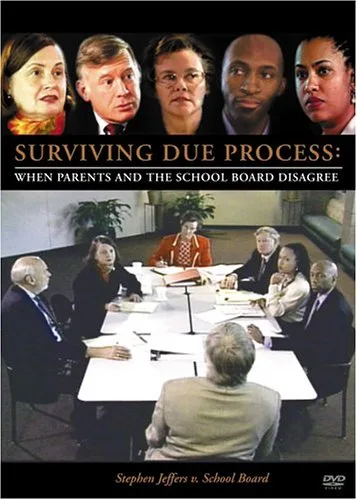
Surviving Due Process
-
Surviving Due Process: The film shows events such as cross-examination, objections to leading questions, and arguments between counsel. These are the moments parents often find most intimidating. Seeing them modeled can help you anticipate what a hearing actually looks like.
-
Surviving Due Process: Viewers learn about topics such as the initial preparations necessary and how testimonies work. Preparation and testimony are two areas where parents can feel lost. The film connects them to the hearing scenes you watch.
A practical way to use the film before your hearing
- Watch once for the big picture: Start by simply following the story. Notice how the case moves from preparation into testimony and argument. You are building a mental map of the process, not memorizing legal rules.
- Watch again with your own case in mind: On a second viewing, pause when you see preparations being discussed. Ask yourself what records, documents, or questions you would need in that moment. The film does not supply a checklist, but it gives you concrete scenes to compare against your own situation.
- Focus on testimony and cross-examination: Pay attention to how questions are asked and objected to. If you will testify or present evidence, these scenes can help you understand why a leading question might draw an objection and how testimony is structured.
- Use it as a shared reference: If you have an advocate, family member, or friend supporting you, watch together. The film gives you shared vocabulary for conversations about preparation and what to expect at the hearing.
Where this film fits in your IEP dispute toolkit
Surviving Due Process is not a substitute for legal advice, and it is not a state-specific rulebook. What it offers is orientation: a true-story walkthrough of how a due process hearing can unfold. That makes it most useful early in your preparation, when the process still feels abstract, or as a refresher before testimony.
Because the subject matter centers on an autistic child but applies to anyone with a disabled child and to any legal issue, it can also help relatives or supporters understand what you are preparing for. The catalog describes the format as a film, not a printed book, so plan to watch rather than read. The supplied information does not confirm a runtime, age rating, or specific procedural rules for your state, so treat those details as things to verify with your own legal resources.
Catalog details before you buy
- Surviving Due Process: Surviving Due Process is listed at USD 12.41, with a catalog comparison price of USD 17.99. At this price, it is a low-cost way to prepare for a process that can feel overwhelming, though it should not replace professional guidance.
- Surviving Due Process: The available variant is Standard. There are no alternate formats or editions listed in the supplied evidence, so choose Standard if you decide to buy.