As we step into 2025, the home decor landscape is shifting toward a more conscious, eco-friendly ethos. Sustainable home decor is no longer a niche preference but a mainstream movement, driven by a collective desire to reduce environmental impact without sacrificing style. Homeowners are increasingly seeking pieces that tell a story, are made from renewable resources, and support ethical production. This year, the focus is on quality over quantity, natural textures, and timeless designs that outlast fleeting trends.
Whether you are refreshing a single room or overhauling your entire space, these five sustainable home decor trends will inspire you to create a home that is both beautiful and kind to the planet. From organic textiles to upcycled ceramics, each trend offers a way to embrace eco-friendly living while expressing your personal aesthetic.
1. Natural Fibers and Organic Textiles
One of the most prominent trends in sustainable home decor is the embrace of natural fibers. Materials like organic cotton, linen, hemp, and merino wool are renewable, biodegradable, and often produced with fewer chemicals than their synthetic counterparts. In 2025, expect to see these materials used in everything from bedding and throws to cushions and rugs. The appeal lies not only in their environmental benefits but also in their tactile warmth and understated elegance.
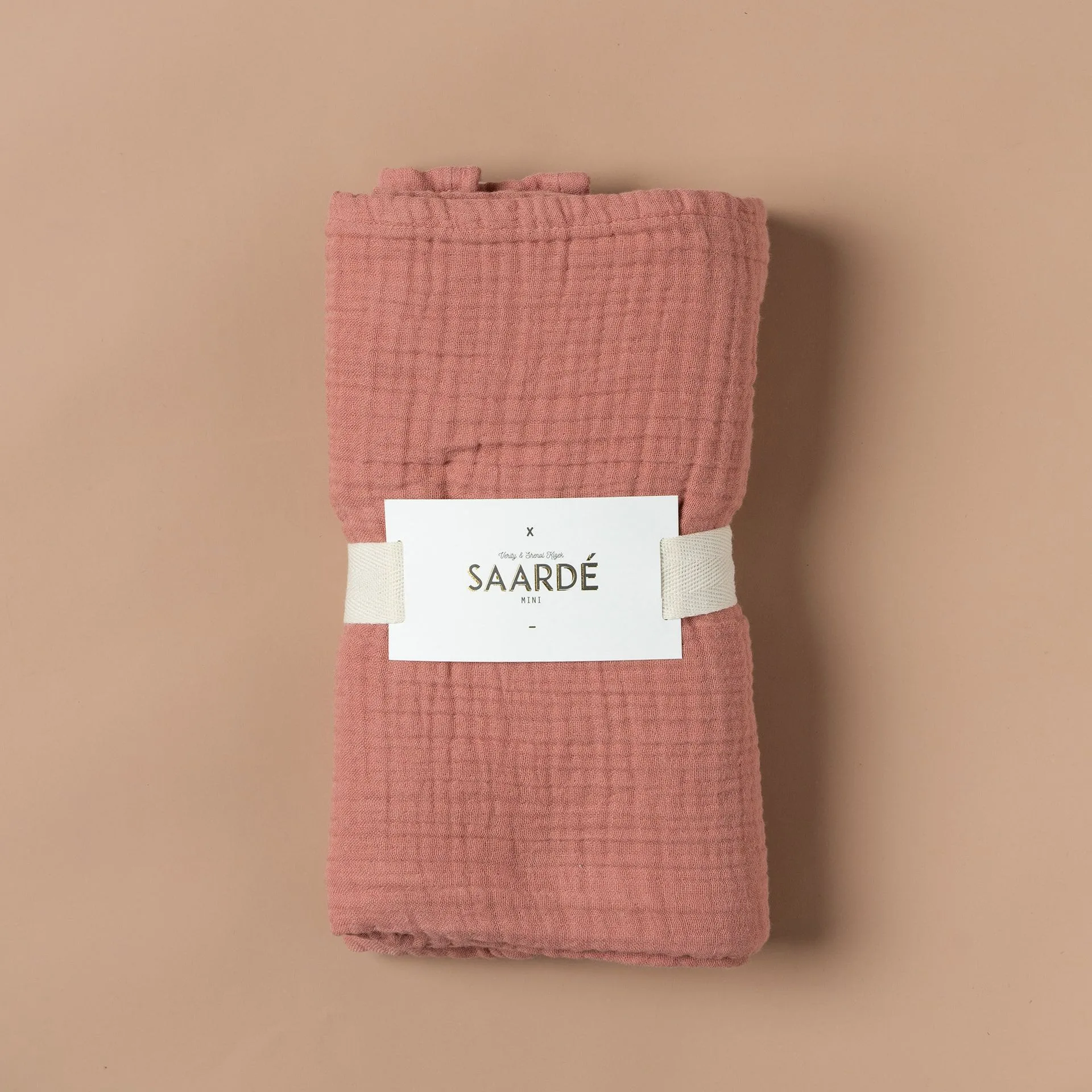
For example, a Merino Wool Throw in Burgundy/Grey adds a cozy, sustainable layer to any living room or bedroom. Merino wool is naturally insulating, moisture-wicking, and durable, making it a smart investment for years to come. Similarly, the Light Blanket/Baby Muslin in Olive offers a lightweight, breathable option made from natural fibers, perfect for layering or as a gentle baby blanket. Choosing textiles like these supports a circular economy and reduces reliance on petroleum-based fabrics.
- Look for certifications like GOTS (Global Organic Textile Standard) to ensure authenticity.
- Wool and linen are naturally antimicrobial, reducing the need for frequent washing.
2. Vintage and Pre-Loved Furniture
The second-hand market is booming, and for good reason. Buying vintage or pre-loved furniture prevents items from ending up in landfills and reduces the demand for new production. This trend is about curating a home with character—pieces that have a history and a unique patina. From mid-century modern chairs to antique wooden tables, vintage finds add soul to a space while being inherently sustainable.
To complement vintage furniture, consider adding artisan-made accessories that celebrate craftsmanship. The Echoes of Harmony #3 Original painting is a one-of-a-kind piece that brings artistic depth to any room. Pair it with a vintage sideboard or a reclaimed wood shelf for a curated, eco-conscious look. Mixing old and new creates a layered, personal aesthetic that is both stylish and responsible.
- Check local thrift stores, online marketplaces, and estate sales for unique finds.
- Restoring a vintage piece with eco-friendly paints or finishes can be a rewarding DIY project.
3. Biophilic Design and Indoor Plants
Biophilic design—the practice of connecting indoor spaces with nature—continues to gain momentum. In 2025, this trend goes beyond simply adding a few potted plants. It involves integrating natural elements like wood, stone, water, and abundant greenery to improve air quality and mental well-being. Living walls, terrariums, and large statement plants are becoming staples in sustainable interiors.
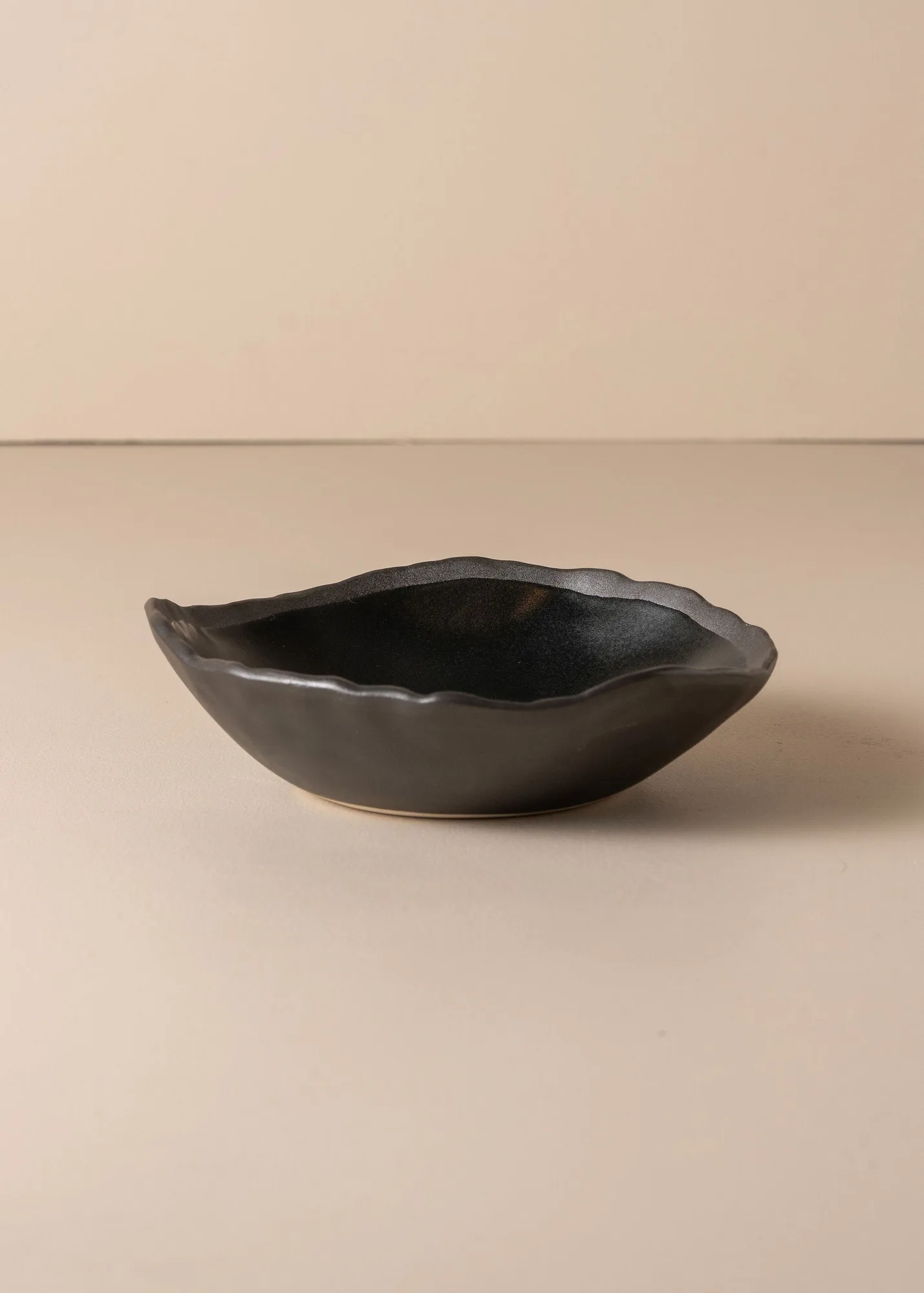
Natural home accessories such as ceramic planters, woven baskets, and stone vessels enhance the biophilic look. The Luz do Sol Salad Bowl, for instance, can double as a decorative fruit bowl or a planter for small succulents, blending functionality with natural beauty. By choosing decor that mimics the outdoors, you create a calming sanctuary that reduces stress and promotes health.
- Low-maintenance plants like snake plants, pothos, and ZZ plants are ideal for beginners.
- Use recycled or biodegradable pots to keep your plant setup fully sustainable.
4. Artisan and Handcrafted Decor
Mass-produced items are being replaced by handcrafted pieces that celebrate traditional skills and local artisans. This trend supports small businesses, reduces carbon footprints, and ensures that each item is made with care. Handcrafted ceramics, woven textiles, and hand-blown glass are highly sought after for their uniqueness and quality.
For example, the Velvet Bolster Fringed Cushion in Clay is a hand-finished piece that adds texture and artisanal charm to a sofa or bed. Its velvet cover and fringed edges reflect meticulous craftsmanship. Similarly, the Velvet Round Fringed Cushion in Nutmeg brings a pop of warm color and a handmade feel to any seating area. Choosing artisan decor means you are investing in pieces that are not only beautiful but also ethically produced.
- Look for brands that disclose their supply chain and pay fair wages to artisans.
- Handcrafted items often have slight variations, which add to their character.
5. Eco-Friendly Lighting and Energy Efficiency
Lighting is a key element in home decor, and sustainable options are now more accessible than ever. LED bulbs, solar-powered lamps, and fixtures made from recycled or upcycled materials are trending. Natural light optimization is also a priority, with homeowners choosing sheer curtains and strategically placed mirrors to reduce reliance on artificial lighting.
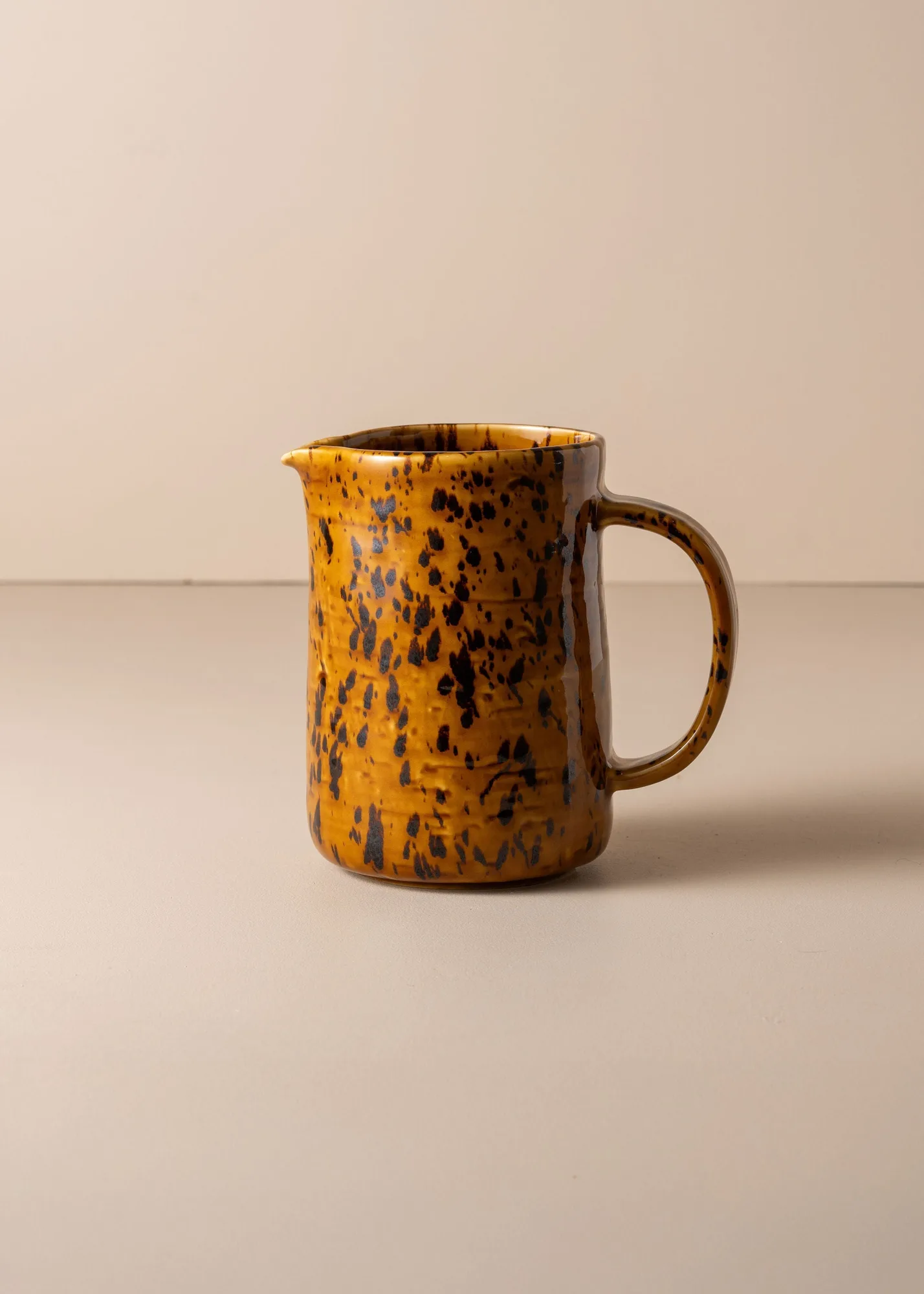
The Kairos Angular Carafe in Clear is an example of a functional decor piece that aligns with this trend. Use it as a water carafe or a vase for fresh flowers, and its angular design adds a modern sculptural element to a tabletop. By selecting decor that serves multiple purposes, you reduce clutter and consumption. Pair it with energy-efficient lighting fixtures made from bamboo or recycled glass to complete the eco-friendly look.
- Install dimmer switches to adjust light levels and save energy.
- Choose fixtures with the ENERGY STAR label for maximum efficiency.
Embracing sustainable home decor in 2025 is about making mindful choices that benefit both your home and the planet. By focusing on natural materials, vintage finds, artisan craftsmanship, and energy-efficient solutions, you can create a space that reflects your values and personal style. Start your journey today by exploring the Vintage Wash Robe in Chocolate, a luxurious yet eco-conscious addition to your daily routine. Every small step toward sustainability makes a difference.