As parents become increasingly conscious of their environmental footprint, the demand for sustainable kids' furniture has skyrocketed. Gone are the days when eco-friendly options meant sacrificing style or durability. Today's green nursery trends combine thoughtful design with responsible materials, offering pieces that are as beautiful as they are kind to the planet. Whether you're furnishing a nursery or a big-kid room, understanding what makes furniture truly sustainable can help you make choices that benefit both your child and the environment.
From non-toxic finishes to FSC-certified wood, the landscape of eco-friendly kids furniture is evolving rapidly. Parents are looking for items that not only reduce waste but also adapt as children grow, minimizing the need for frequent replacements. In this article, we'll explore the key trends shaping the industry and provide a practical guide to selecting furniture that aligns with your values—without compromising on aesthetics or functionality.
The Shift Toward Timeless, Adaptable Designs
One of the biggest trends in sustainable kids' furniture is the move away from single-use, trend-driven pieces. Instead, parents are investing in furniture that can transition from nursery to toddler room to teen space. This approach reduces waste and saves money in the long run. Look for convertible cribs that become toddler beds, dressers that double as changing stations, and beds that can be extended as your child grows.
Adaptable designs also encourage a minimalist mindset, which aligns perfectly with eco-conscious living. By choosing fewer, higher-quality items, you reduce your home's overall material consumption. Pieces like the Sparrow 6-Drawer Dresser are excellent examples of versatile furniture that can serve a child from infancy through adolescence, thanks to its clean lines and sturdy construction.
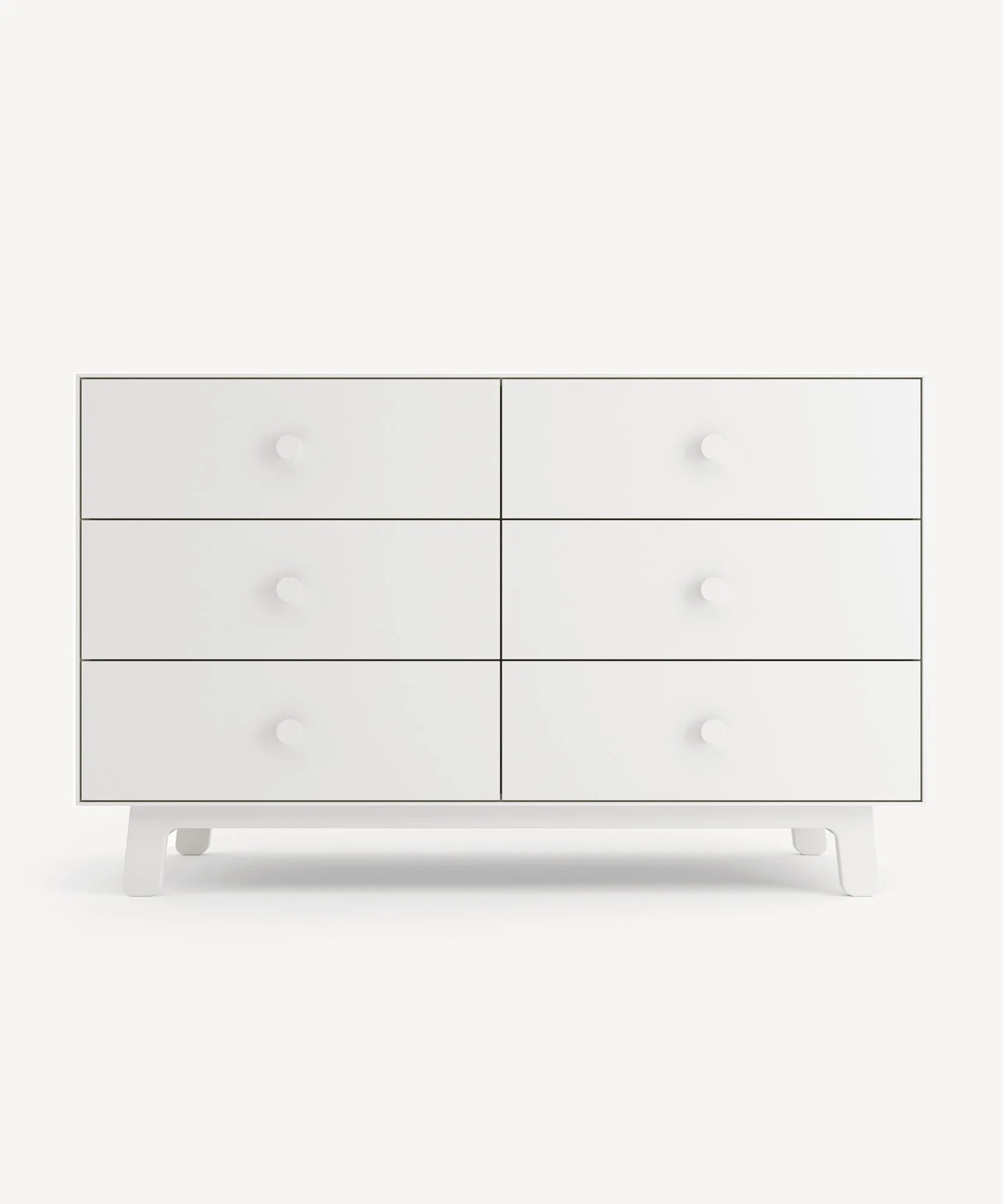
Sparrow 6-Drawer Dresser
- Prioritize furniture that can be used for multiple stages of childhood.
- Choose neutral colors and classic shapes that won't feel dated in a few years.
Non-Toxic Finishes and Materials Matter
When shopping for eco-friendly kids furniture, the materials and finishes used are just as important as the design. Many conventional furniture pieces contain volatile organic compounds (VOCs), formaldehyde, and other harmful chemicals that can off-gas into your child's room. Sustainable brands prioritize non-toxic finishes, such as water-based paints and natural oils, which are safer for both your family and the environment.
Look for certifications like GREENGUARD Gold, which ensures that furniture meets strict chemical emission standards. Solid wood from responsibly managed forests (FSC-certified) is a top choice because it's durable, renewable, and free from the glues and particleboard found in cheaper alternatives. Avoid MDF or plywood unless they are labeled as formaldehyde-free. The Convertible XL Changing Station (pad not included) is a great example of a piece built with sustainable materials and a non-toxic finish, making it a safe addition to any nursery.
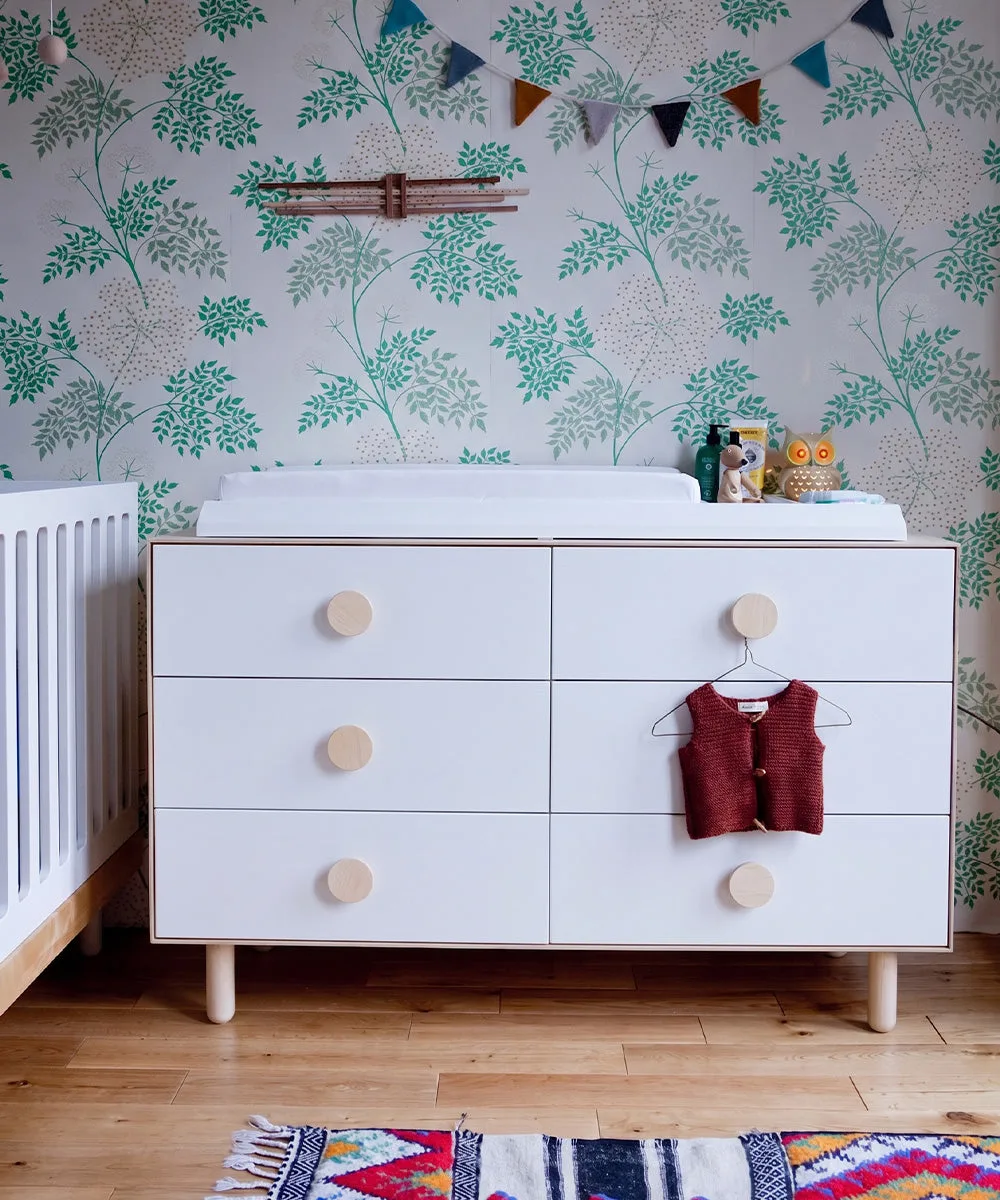
Convertible XL Changing Station (pad not included)
- Check for GREENGUARD Gold or similar low-emission certifications.
- Opt for solid wood over composite materials to reduce chemical exposure.
The Rise of Modular and Multi-Functional Furniture
Another key trend in sustainable kids' furniture is modularity. Modular pieces can be reconfigured, expanded, or repurposed as your child's needs change, which extends their lifespan and reduces the demand for new resources. For example, a changing station that later becomes a bookshelf or a crib that transforms into a daybed are smart investments.
Multi-functional furniture also helps maximize space in smaller homes or apartments, making it a practical choice for urban families. Items like the River Trundle Bed offer built-in storage and extra sleeping space for sleepovers, all while maintaining a compact footprint. By choosing furniture that does double duty, you're not only saving money but also minimizing your household's overall consumption.
- Consider pieces that can be used in different rooms or for different purposes over time.
- Look for trundle beds, storage benches, or desks with integrated shelving.
What to Look For: A Quick Checklist
To help you navigate the growing market of sustainable kids' furniture, here's a simple checklist to keep in mind while shopping. First, verify the materials: solid wood, bamboo, or reclaimed wood are excellent choices. Avoid particleboard and MDF unless they are certified low-emission. Second, check the finishes: water-based paints, natural waxes, and plant-based oils are safer alternatives to synthetic varnishes.
Third, look for durability: well-constructed furniture with dovetail joints or metal hardware will last longer and reduce the need for replacements. Fourth, consider the brand's overall sustainability practices, such as carbon-neutral shipping, recyclable packaging, or take-back programs. Finally, think about the furniture's end of life—can it be easily disassembled and recycled or donated? By keeping these factors in mind, you'll be well-equipped to choose pieces that are truly eco-friendly.
- Solid wood (FSC-certified) or bamboo are top material choices.
- Water-based or plant-based finishes are safer and more sustainable.
- Durable construction (e.g., dovetail joints) extends furniture lifespan.
- Research the brand's environmental commitments and packaging.
As the demand for sustainable kids' furniture continues to grow, manufacturers are responding with innovative designs that prioritize both the planet and your child's well-being. By focusing on non-toxic materials, adaptable forms, and timeless aesthetics, you can create a nursery or bedroom that is as green as it is beautiful. Explore our collection of eco-friendly pieces, like the Sparrow 6-Drawer Dresser, to find furniture that will serve your family for years to come.