As outdoor enthusiasts become more environmentally conscious, the backpack industry is responding with innovative sustainable materials and manufacturing processes. In 2026, sustainability is no longer a niche trend—it's a core expectation. From recycled nylon to bio-based foams, brands are rethinking every component of their packs to reduce environmental impact without compromising durability or performance.
This article explores the key sustainable materials shaping backpacks in 2026, the industry's shift toward circular design, and how leading brands like Mystery Ranch are integrating these practices into their product lines. Whether you're a seasoned hiker or a daily commuter, understanding these trends helps you make informed, eco-friendly choices.
Recycled Fabrics: The New Standard
One of the most significant moves in sustainable backpacks is the adoption of recycled fabrics. In 2026, recycled polyester and nylon made from post-consumer waste, such as plastic bottles and discarded fishing nets, have become industry standards. These materials offer the same strength and weather resistance as virgin synthetics but with a fraction of the carbon footprint.
Brands are also exploring innovative blends, like recycled Cordura, which maintains abrasion resistance while being more eco-friendly. For example, the Blitz 35 incorporates high-tenacity nylon that can now be sourced with recycled content, ensuring that even heavy-duty packs can be part of the green gear trend.
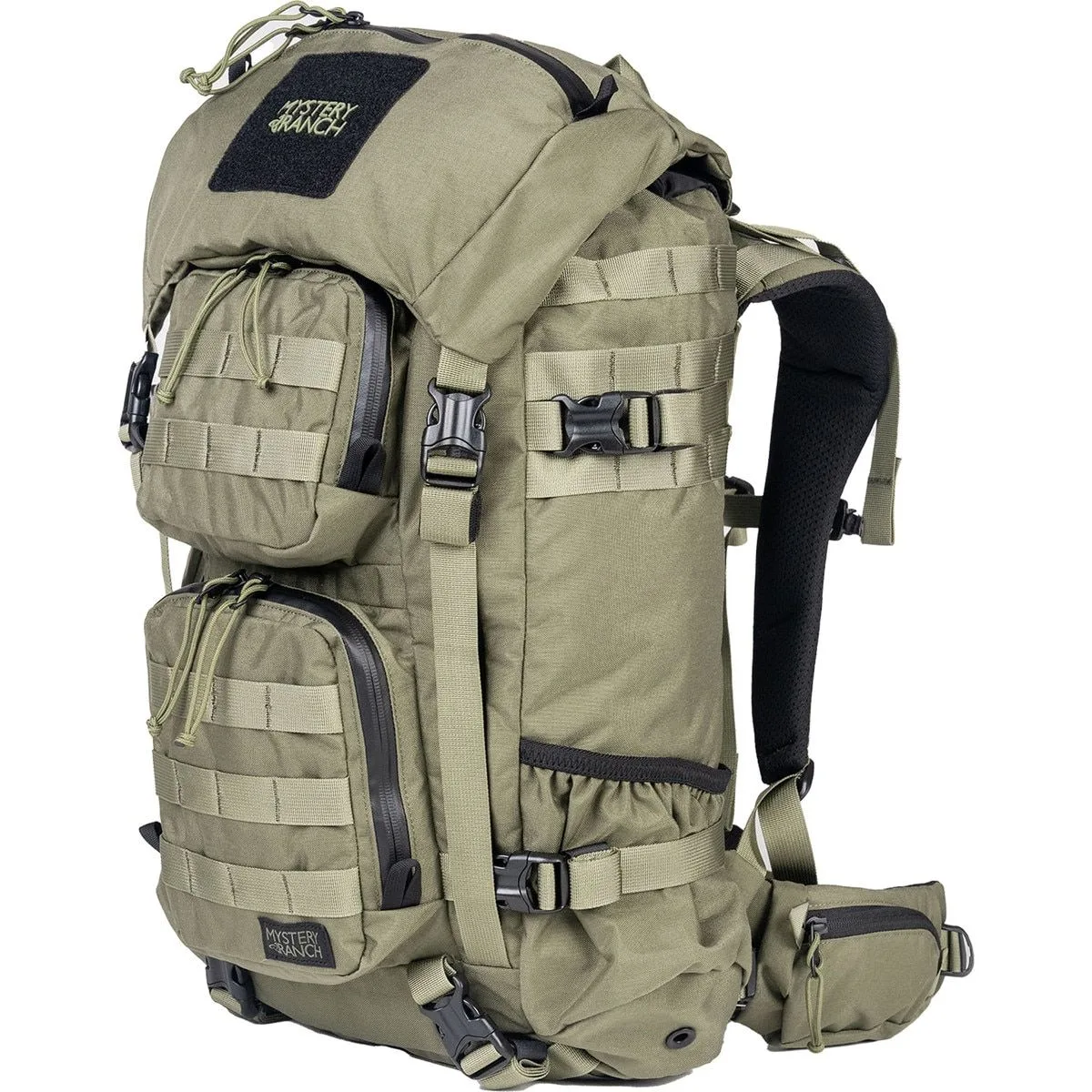
Blitz 35
- Look for packs labeled with recycled content percentages, such as 100% recycled nylon.
- Recycled fabrics often require less water and energy to produce compared to virgin materials.
- Check for certifications like Global Recycled Standard (GRS) to verify authenticity.
Bio-Based and Plant-Derived Materials
Beyond recycling, the industry is turning to bio-based materials derived from plants. Castor bean oil, for instance, is being used to produce polyamide, a durable and lightweight material that reduces reliance on fossil fuels. Similarly, bio-based polyurethane (PU) coatings are replacing petroleum-based alternatives in waterproofing treatments.
Mystery Ranch's Treehouse 38 exemplifies this innovation, featuring a body made from recycled and bio-based materials that offer exceptional tear resistance while being kinder to the planet. This pack demonstrates that sustainability doesn't mean sacrificing performance—it means enhancing it with smarter material choices.
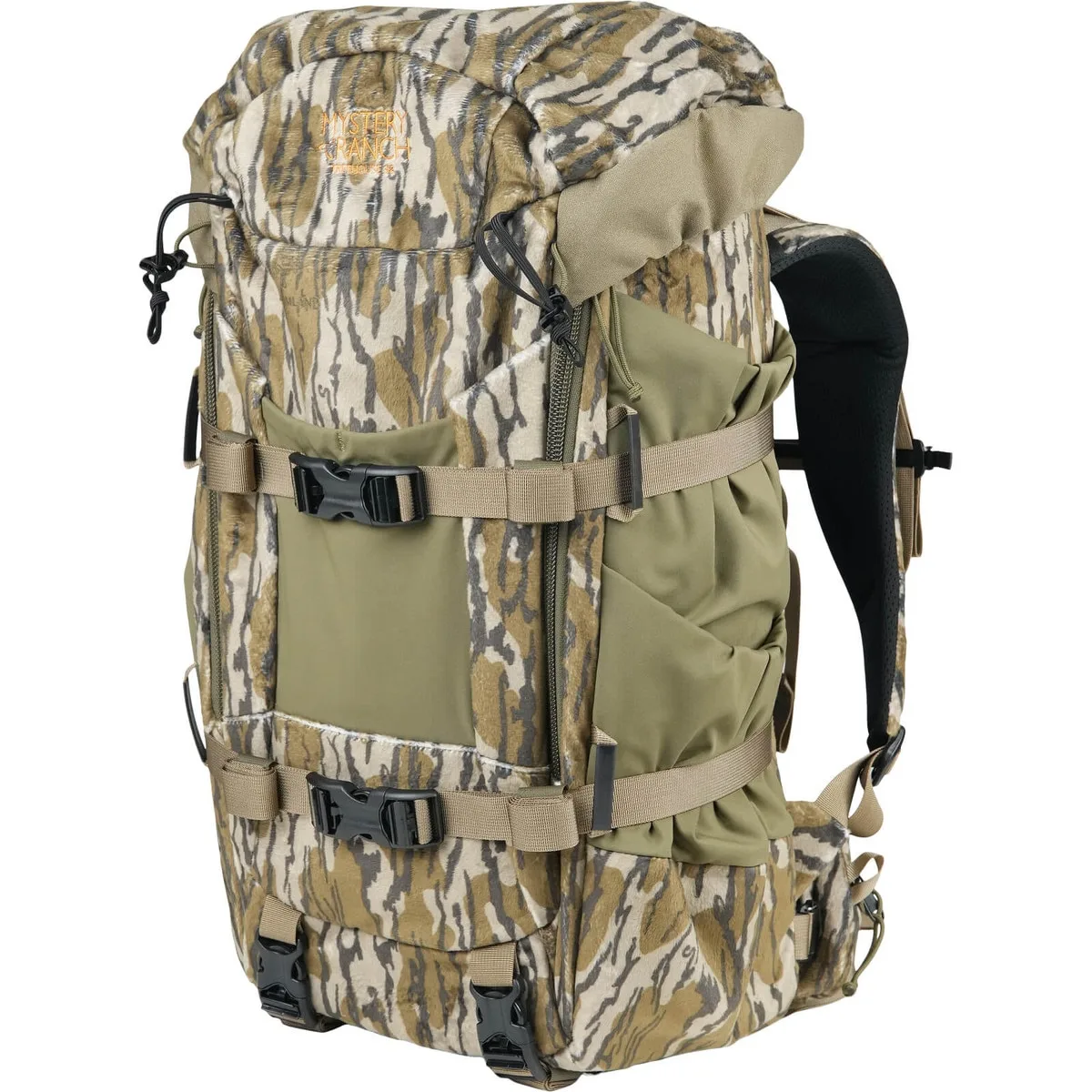
Treehouse 38
- Bio-based materials can reduce carbon emissions by up to 50% compared to conventional synthetics.
- Some plant-derived fabrics are also biodegradable at the end of their life cycle.
- Check if the pack uses water-based coatings instead of solvent-based ones for lower environmental impact.
Circular Design and Repairability
In 2026, sustainable backpacks go beyond materials—they embrace circular design principles that prioritize longevity and repairability. Modular packs with replaceable components, such as straps and buckles, extend the product's life and reduce waste. Brands are also offering repair services and spare parts, encouraging users to fix rather than discard.
The Pintler Pack is a prime example of this philosophy, with its simple, robust construction that's easy to repair. Its design allows for the replacement of the hip belt and shoulder straps, ensuring that the pack can serve you for years, aligning with the industry's move toward a circular economy.
- Opt for packs with easily replaceable parts, such as buckles and zippers.
- Support brands that offer repair guides or services.
- Consider the pack's end-of-life recyclability—can it be disassembled for recycling?
Eco-Friendly Dyeing and Finishing
Traditional dyeing processes are water-intensive and pollute waterways with chemicals. The 2026 industry is shifting to eco-friendly dyeing techniques, such as solution dyeing, where color is added to the polymer before extrusion, significantly reducing water and chemical usage. This method also enhances colorfastness, meaning your pack stays vibrant longer.
Additionally, brands are adopting bluesign® approved materials and processes, ensuring that every step of production meets strict environmental and social standards. When shopping for a sustainable backpack, look for these certifications to ensure your gear aligns with your values.
- Solution-dyed fabrics use up to 90% less water than traditional dyeing.
- Bluesign® approved products guarantee responsible manufacturing.
- Ask brands about their water and chemical management policies.
The Role of Brands and Consumer Choices
As consumers, our purchasing decisions drive the industry's sustainability efforts. By choosing backpacks made from sustainable materials and supporting brands that prioritize eco-friendly practices, we encourage more innovation. In 2026, leading outdoor brands are transparent about their supply chains and environmental impact, making it easier for consumers to make informed choices.
Mystery Ranch is at the forefront of this movement, integrating sustainable materials across its product line. For instance, the Women's Metcalf 50 Pack features a recycled nylon body and a suspension system designed for comfort and durability, proving that sustainability and performance can go hand in hand.
- Research a brand's sustainability report before purchasing.
- Look for third-party certifications like Fair Trade or B Corp.
- Consider the pack's lifespan—investing in a durable pack is inherently more sustainable.
The backpack industry's shift toward sustainable materials in 2026 is a positive step for both the planet and outdoor enthusiasts. By choosing packs made from recycled and bio-based materials, supporting circular design, and making conscious consumer choices, we can all contribute to a greener future. Explore the latest sustainable options from Mystery Ranch and find the perfect pack that aligns with your values and adventures.