The beverage industry has long grappled with packaging waste, from plastic bottles to non-recyclable materials. Today, a shift toward sustainable packaging is not just a trend but a necessity. Consumers increasingly demand eco-friendly cans and green packaging solutions that reduce environmental impact without compromising quality or taste.
In this deep dive, we explore the key drivers behind beverage sustainability, the innovations in packaging materials, and how forward-thinking brands are embracing these changes. From aluminum cans to biodegradable labels, the journey toward a greener future is both exciting and essential.
Why Sustainable Packaging Matters in the Beverage Industry
The beverage industry is one of the largest contributors to packaging waste globally. Plastic bottles, in particular, take hundreds of years to decompose and often end up in oceans or landfills. As awareness grows, consumers are voting with their wallets, favoring brands that prioritize eco-friendly practices. Sustainable packaging reduces carbon footprint, conserves resources, and aligns with a circular economy model.
Moreover, regulatory pressures are mounting. Governments worldwide are implementing stricter recycling targets and banning single-use plastics. For beverage companies, adopting sustainable packaging is not just a marketing advantage but a compliance necessity. Brands that lead in this area build trust and loyalty among environmentally conscious customers.
- Aluminum cans are infinitely recyclable and require less energy to produce than new materials.
- Using recycled content in packaging lowers greenhouse gas emissions significantly.
- Consumers are 74% more likely to choose a product with eco-friendly packaging.
Eco-Friendly Cans: The Rise of Aluminum and Beyond
Aluminum cans have become the gold standard for sustainable beverage packaging. They are lightweight, durable, and can be recycled repeatedly without losing quality. In fact, nearly 75% of all aluminum ever produced is still in use today. For sparkling water brands, cans offer a perfect barrier against light and oxygen, preserving flavor and carbonation.
Innovations are also emerging in can linings. Traditionally, cans used epoxy resins containing BPA, a chemical of concern. Today, many brands are transitioning to BPA-free linings or plant-based coatings. This shift enhances both sustainability and consumer safety. Additionally, lightweighting—reducing the amount of aluminum per can—further cuts material use and transportation emissions.
- Recycled aluminum cans save 95% of the energy needed to make new ones.
- A typical can now weighs about 13 grams, down from 16 grams a decade ago.
- Aura Bora uses BPA-free linings in all their sparkling water cans.
Green Packaging Innovations: From Labels to Six-Pack Rings
Beyond the can itself, sustainable packaging extends to labels, adhesives, and secondary packaging. Many beverage companies now use water-based inks and compostable labels that break down easily in recycling processes. Plastic six-pack rings, notorious for harming marine life, are being replaced by cardboard carriers or edible rings made from barley and wheat.
Another innovation is the use of post-consumer recycled (PCR) content in packaging. Some brands are incorporating up to 50% recycled plastic in their bottles, while others are exploring plant-based plastics derived from sugarcane or corn. For sparkling water, glass bottles remain an option, but their heavier weight increases shipping emissions, making aluminum cans the eco-friendly favorite.
- Compostable labels reduce contamination in recycling streams.
- Edible six-pack rings are safe for wildlife and decompose quickly.
- Aura Bora uses minimal, recyclable secondary packaging for their products.
How Aura Bora Embraces Beverage Sustainability
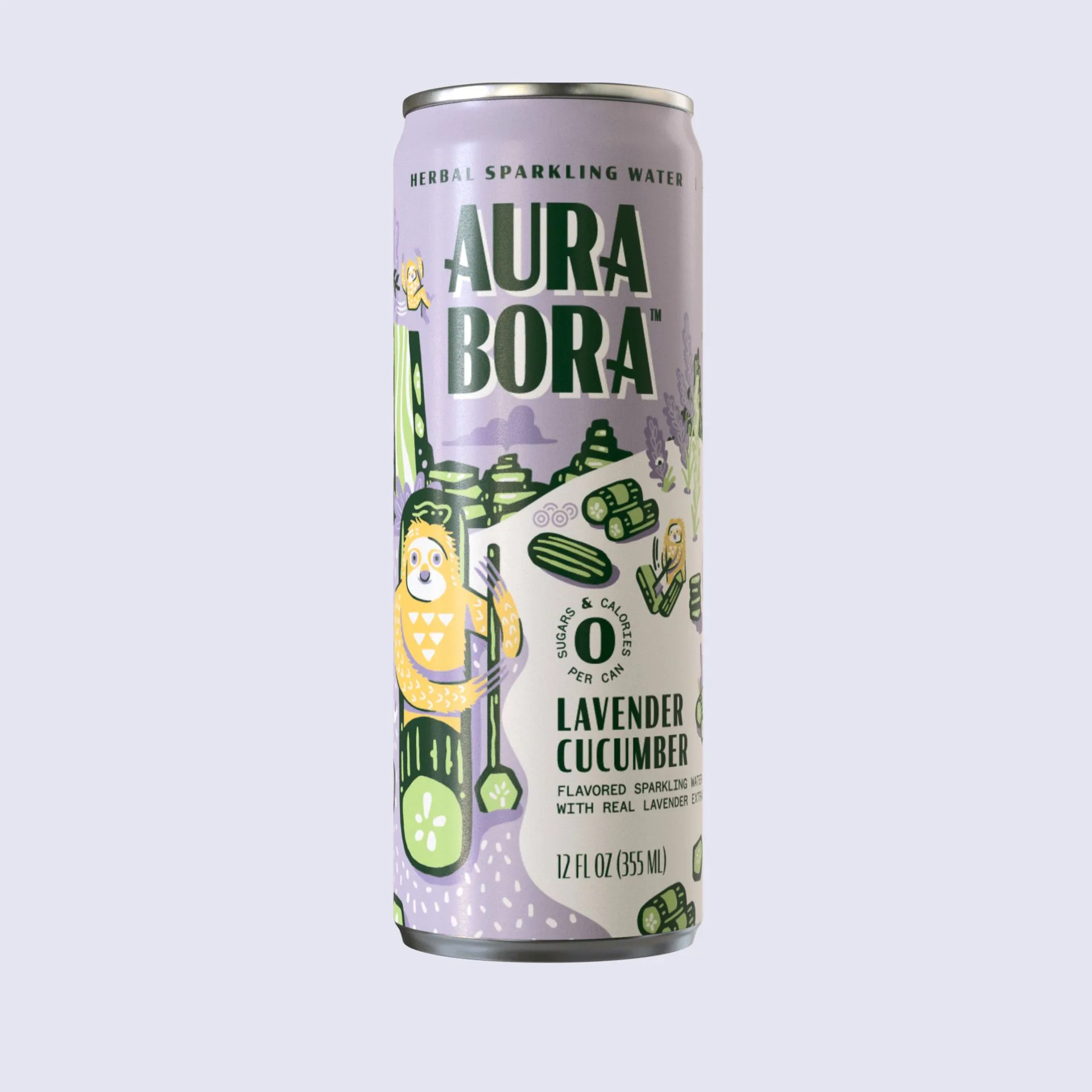
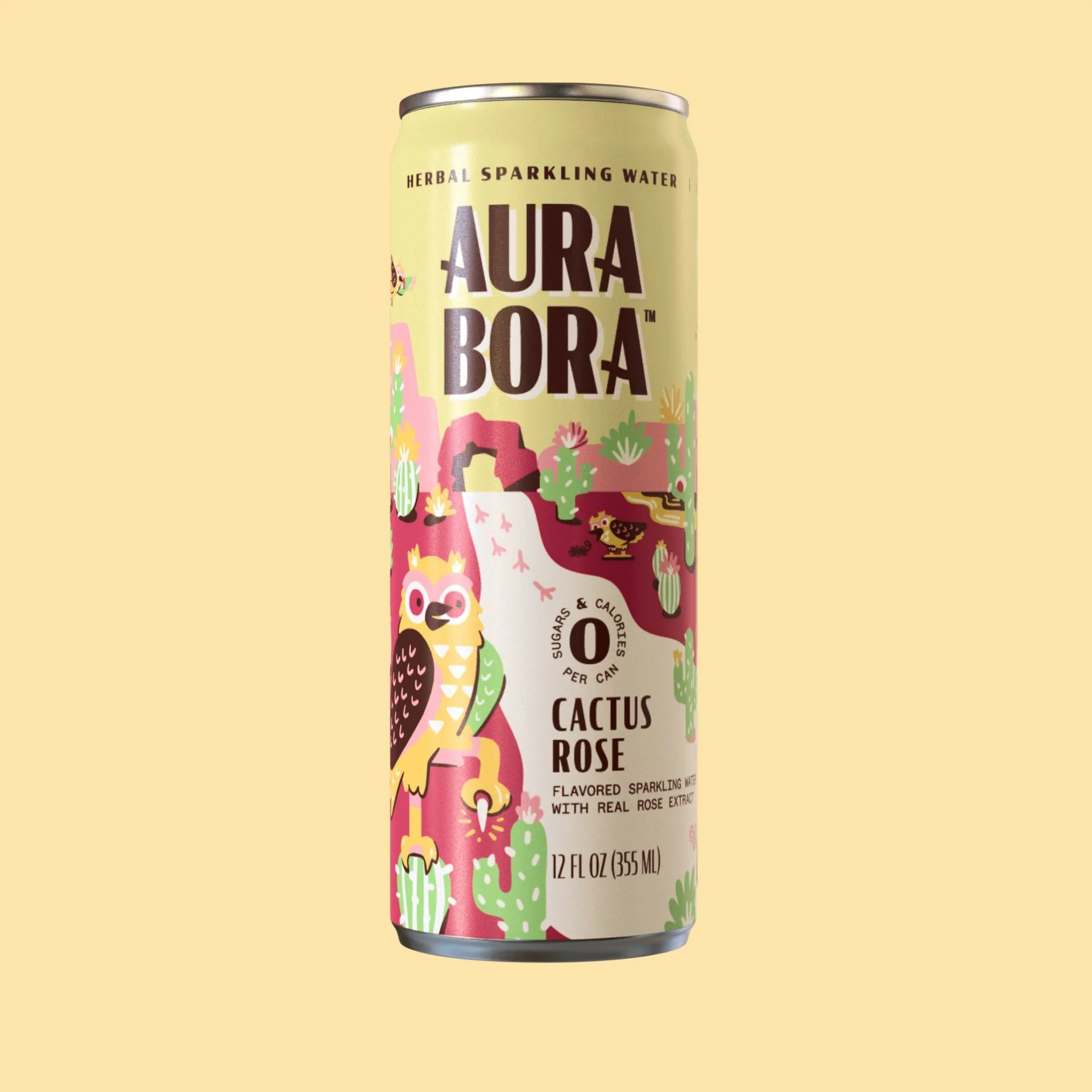
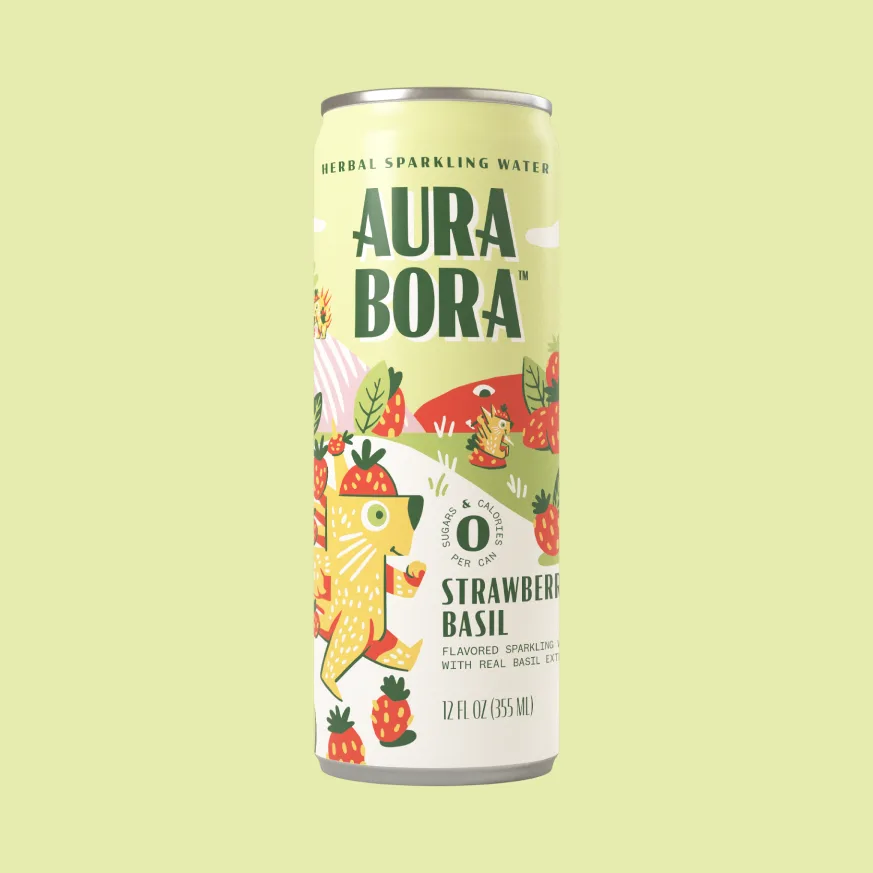
Aura Bora is a shining example of a brand committed to sustainable packaging and natural ingredients. Their sparkling waters come in infinitely recyclable aluminum cans with BPA-free linings, ensuring both quality and environmental responsibility. The brand also uses eco-friendly inks and labels that are compatible with standard recycling facilities.
Beyond packaging, Aura Bora sources real, organic ingredients for their unique flavors like Lavender Cucumber and Hibiscus Passionfruit. This holistic approach to sustainability—from ingredient sourcing to packaging—resonates with consumers who want to enjoy delicious beverages without guilt. By choosing eco-friendly cans, Aura Bora proves that green packaging can be both beautiful and functional.
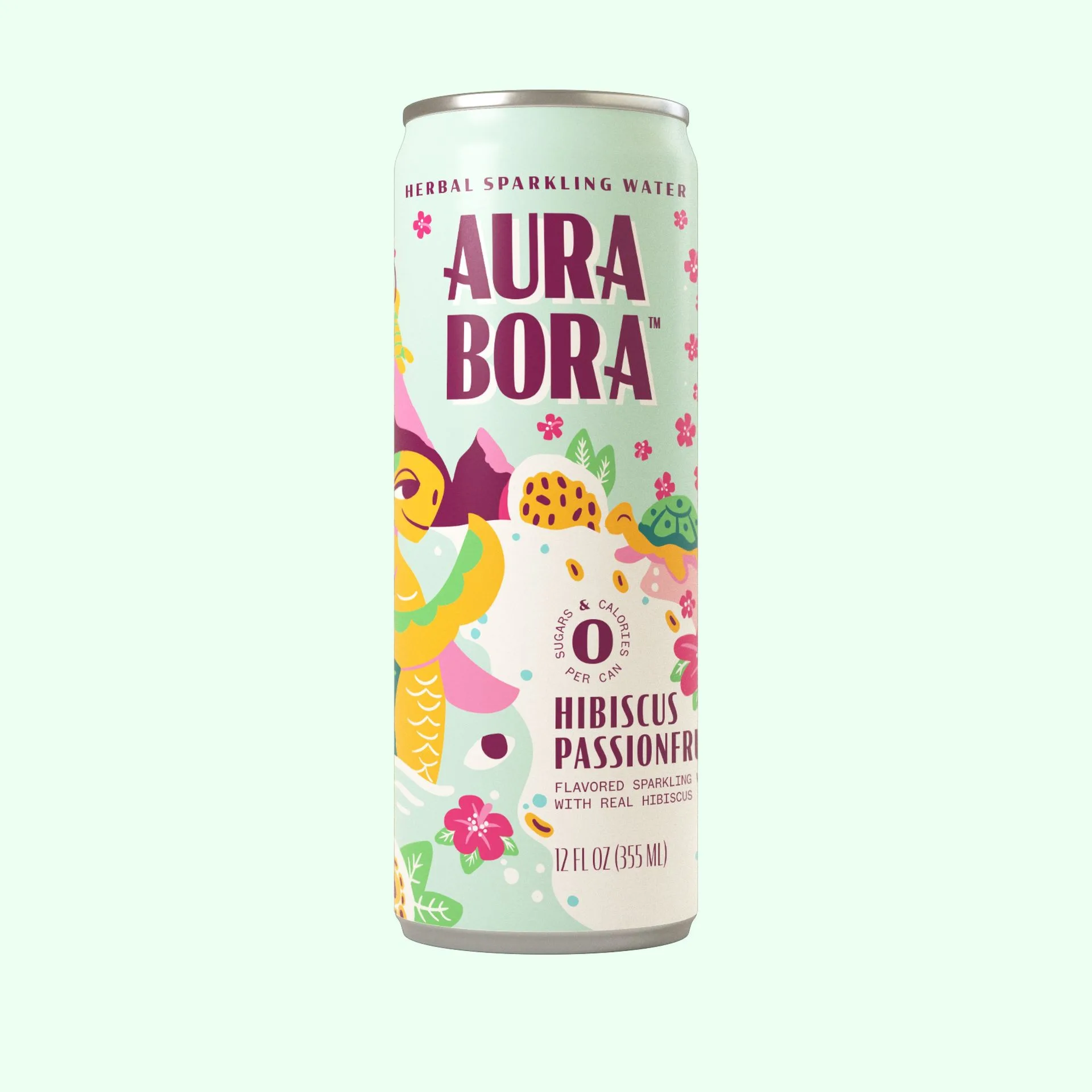
Hibiscus Passionfruit
- Aluminum cans are 100% recyclable and widely accepted in curbside programs.
- Aura Bora's packaging uses minimal plastic and no harmful chemicals.
- Their flavors are crafted with real botanicals, supporting a clean label movement.
The Future of Green Packaging in Beverages
Looking ahead, the beverage industry will continue to innovate in sustainable packaging. Biodegradable materials, such as mushroom-based foam and seaweed packaging, are being researched for commercial use. Smart packaging with QR codes can educate consumers on recycling practices, closing the loop on the circular economy.
Collaboration across the supply chain is also key. Beverage companies, recyclers, and material scientists are working together to standardize packaging designs for easier recycling. As consumer demand for eco-friendly cans grows, we can expect more brands to follow Aura Bora's lead in prioritizing sustainability without sacrificing taste or experience.
- Mushroom-based packaging can replace Styrofoam for shipping.
- Seaweed-based films are edible and biodegradable.
- QR codes on cans can link to recycling instructions and brand stories.
Sustainable packaging is no longer a niche concern—it's a core pillar of the modern beverage industry. From eco-friendly cans to innovative green packaging, brands that prioritize the planet win consumer trust. Explore Aura Bora's commitment to sustainability and taste their refreshing sparkling waters made with real ingredients and recyclable cans.