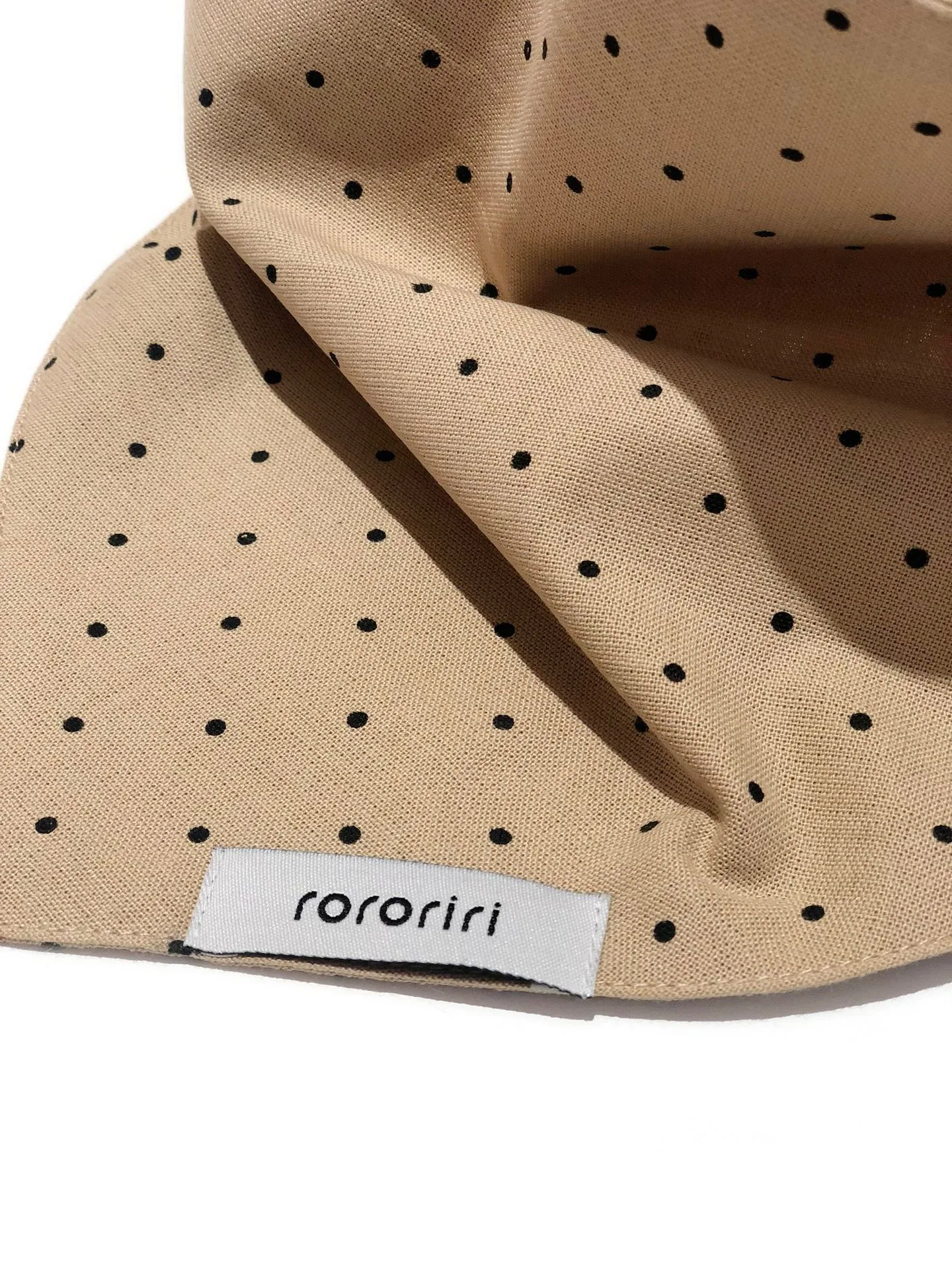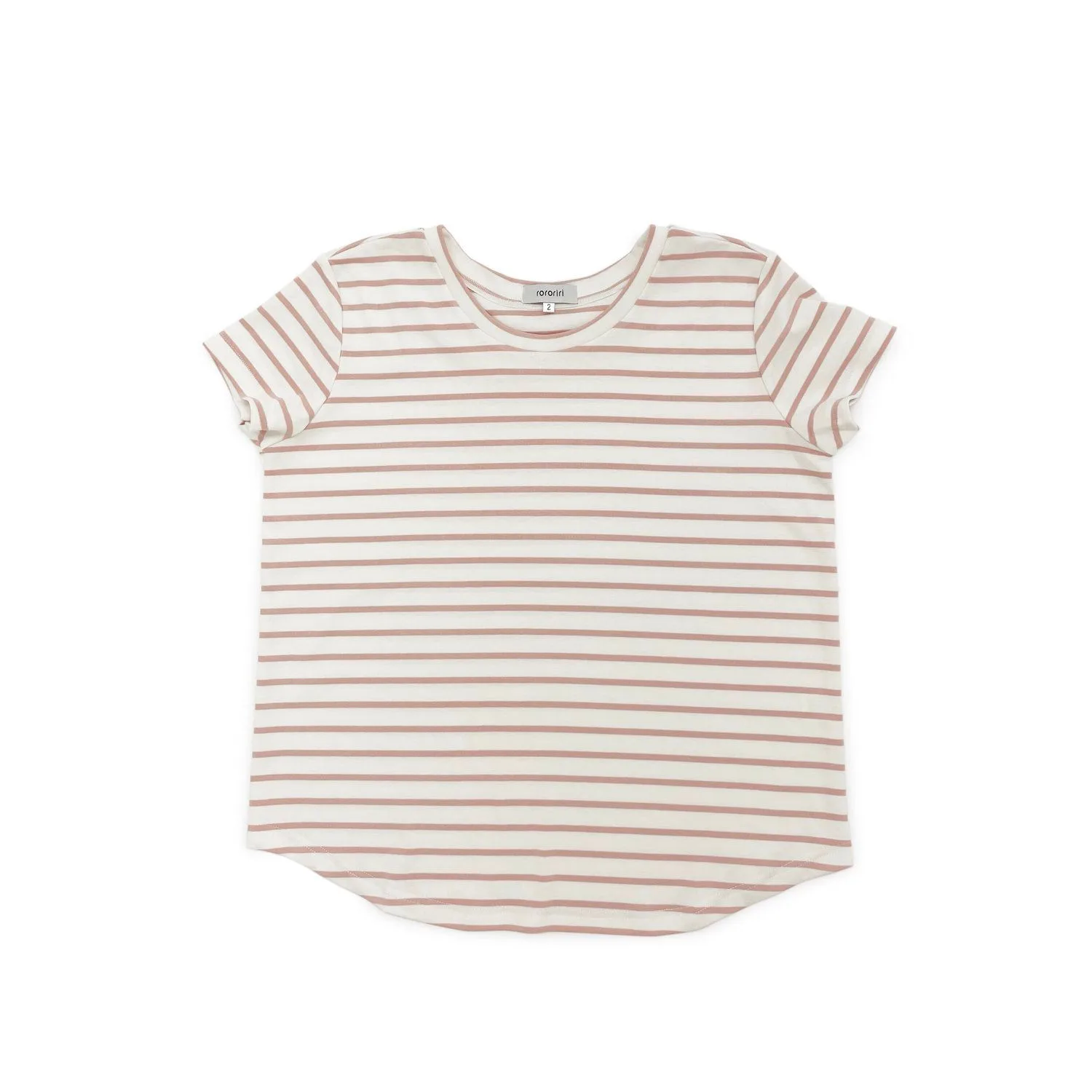
Fashion is one of the most polluting industries in the world, but your wardrobe doesn't have to be part of the problem. By embracing sustainable shopping and ethical clothing, you can curate a collection of pieces that look good, feel great, and respect the planet. Whether you're a seasoned eco-warrior or just starting your green lifestyle journey, building an eco-friendly wardrobe is easier—and more rewarding—than you think.
This guide will walk you through practical steps to shop smarter, choose better materials, and care for your clothes so they last. From understanding fabric labels to embracing second-hand treasures, you'll discover how to align your fashion choices with your values without sacrificing style.
Why Sustainable Fashion Matters
The fashion industry produces around 10% of global carbon emissions and consumes vast amounts of water. Fast fashion encourages overconsumption, with garments often worn only a handful of times before being discarded. By shifting to sustainable shopping, you directly reduce waste, lower your carbon footprint, and support fair labor practices.
Eco-friendly wardrobe choices also save you money in the long run. Investing in high-quality, timeless pieces means fewer replacements and less clutter. Plus, many sustainable brands prioritize transparency, so you know exactly where and how your clothes were made.
- Look for certifications like GOTS (Global Organic Textile Standard) or Fair Trade when shopping.
- Avoid synthetic fabrics like polyester that shed microplastics into waterways.
Start With a Wardrobe Audit
Before buying anything new, take stock of what you already own. A wardrobe audit helps you identify gaps, rediscover forgotten gems, and understand your personal style. Pull everything out and sort into keep, repair, donate, or recycle piles. This step prevents impulse purchases and ensures every new addition serves a purpose.
Once you know what you have, create a capsule wardrobe concept—a small collection of versatile, mix-and-match pieces. This approach simplifies dressing and reduces the urge to buy trendy items that quickly go out of style. Focus on neutral colors and classic silhouettes that transcend seasons.
- Set a 'one in, one out' rule to keep your wardrobe manageable.
- Repair small damages like loose buttons or minor tears instead of tossing items.
Shop Second-Hand and Vintage
Thrifting is one of the most effective ways to practice sustainable shopping. Second-hand stores, consignment shops, and online resale platforms offer unique finds at a fraction of the retail price. Vintage pieces often boast higher quality construction and distinctive designs you won't see on everyone else.
Shopping pre-loved extends the life cycle of garments and keeps them out of landfills. It also reduces demand for new production, saving water and energy. Plus, you can score designer labels and natural fiber pieces like linen or wool for a steal. Make thrifting a fun weekend ritual—you never know what treasure you'll uncover.
- Check local charity shops, flea markets, and apps like Depop or Vinted.
- Inspect second-hand items for stains or damage before buying.
Choose Natural and Recycled Fabrics
Fabric choice is a cornerstone of ethical clothing. Natural fibers like organic cotton, linen, hemp, and Tencel are biodegradable and require fewer chemicals to produce. Recycled polyester and nylon give plastic waste a second life, reducing reliance on virgin petroleum-based materials.
When shopping, read labels carefully. 'Bamboo' sounds eco-friendly, but many bamboo fabrics are processed with harsh chemicals unless labeled as 'mechanically processed bamboo.' Opt for GOTS-certified organic cotton or Oeko-Tex certified textiles to ensure low environmental impact. Quality natural fabrics also breathe better and last longer, making them ideal for a sustainable wardrobe.
- Avoid 'virgin' synthetics; choose recycled alternatives when possible.
- Wool and cashmere are renewable but ensure they come from ethically treated animals.
Care for Your Clothes to Extend Their Life
How you wash, dry, and store your clothes dramatically affects their lifespan. Washing in cold water, air-drying instead of using a dryer, and using gentle detergents all reduce wear and tear. Over-washing is a common culprit—most items can be worn several times before needing a wash, especially outer layers.
Proper storage also matters. Fold knits to prevent stretching, use padded hangers for delicate tops, and keep clothes in a cool, dry place. Simple habits like spot-cleaning stains immediately and using a fabric shaver to remove pilling can keep your favorites looking new for years.
- Wash denim inside out and only when truly dirty to preserve color.
- Repair small holes or loose seams promptly to prevent bigger damage.
Building an eco-friendly wardrobe is a journey, not a destination. Start small—maybe with a wardrobe audit or your first thrift store visit—and gradually replace fast fashion pieces with sustainable, high-quality alternatives. Every mindful purchase is a vote for a greener planet and a more ethical fashion industry. Explore our collection of eco-conscious essentials to find pieces that align with your values and style.