When you sip a cup of premium tea, you’re tasting more than just leaves steeped in hot water. You’re experiencing the culmination of soil, climate, cultivation, and craftsmanship. In recent years, the conversation around tea has shifted from mere flavor notes to the origins and ethics behind every harvest. Sustainable tea farming isn’t just a buzzword—it’s a philosophy that directly impacts the quality of the tea in your cup.
From shade-grown Japanese greens to high-altitude Ceylon black teas, the methods used by tea farmers influence everything from antioxidant content to the subtle sweetness of the liquor. In this article, we explore how sustainable practices—such as organic fertilization, water conservation, and biodiversity preservation—enhance tea quality, and why choosing ethically sourced teas benefits both your palate and the planet.
What Is Sustainable Tea Farming?
Sustainable tea farming refers to agricultural practices that protect the environment, support local communities, and ensure the long-term viability of tea production. This includes reducing chemical inputs, preserving natural ecosystems, and promoting fair wages and safe working conditions for workers. Unlike conventional monoculture plantations, sustainable farms often embrace intercropping, composting, and integrated pest management to maintain soil fertility and biodiversity.
The connection to quality is direct: healthier soil produces healthier tea plants, which in turn yield leaves with more complex flavor profiles. For example, teas grown without synthetic pesticides tend to have cleaner, purer tastes, free from chemical residues that can mask delicate notes. This is especially important for premium green teas like Gyokuro, where the umami sweetness is a direct result of careful shading and organic soil management.
- Key pillars of sustainable tea farming: organic soil management, water conservation, biodiversity, and ethical labor practices.
How Soil Health Influences Flavor and Aroma
The foundation of any great tea is the soil in which it grows. Sustainable farmers prioritize building rich, living soil through composting, green manures, and natural mulches. This organic matter feeds the tea plant's roots, encouraging the uptake of minerals that translate into nuanced flavors—think floral notes in oolongs or the creamy texture of a well-grown white tea.
Conversely, chemically fertilized soils often produce teas that taste flat or one-dimensional. By avoiding synthetic inputs, sustainable farms allow the terroir—the unique combination of altitude, climate, and soil—to shine through. For example, the honeyed sweetness of Honey Pomelo Flowering Tea is enhanced when the tea bushes are grown in biodiverse environments that support natural pollination and nutrient cycling.
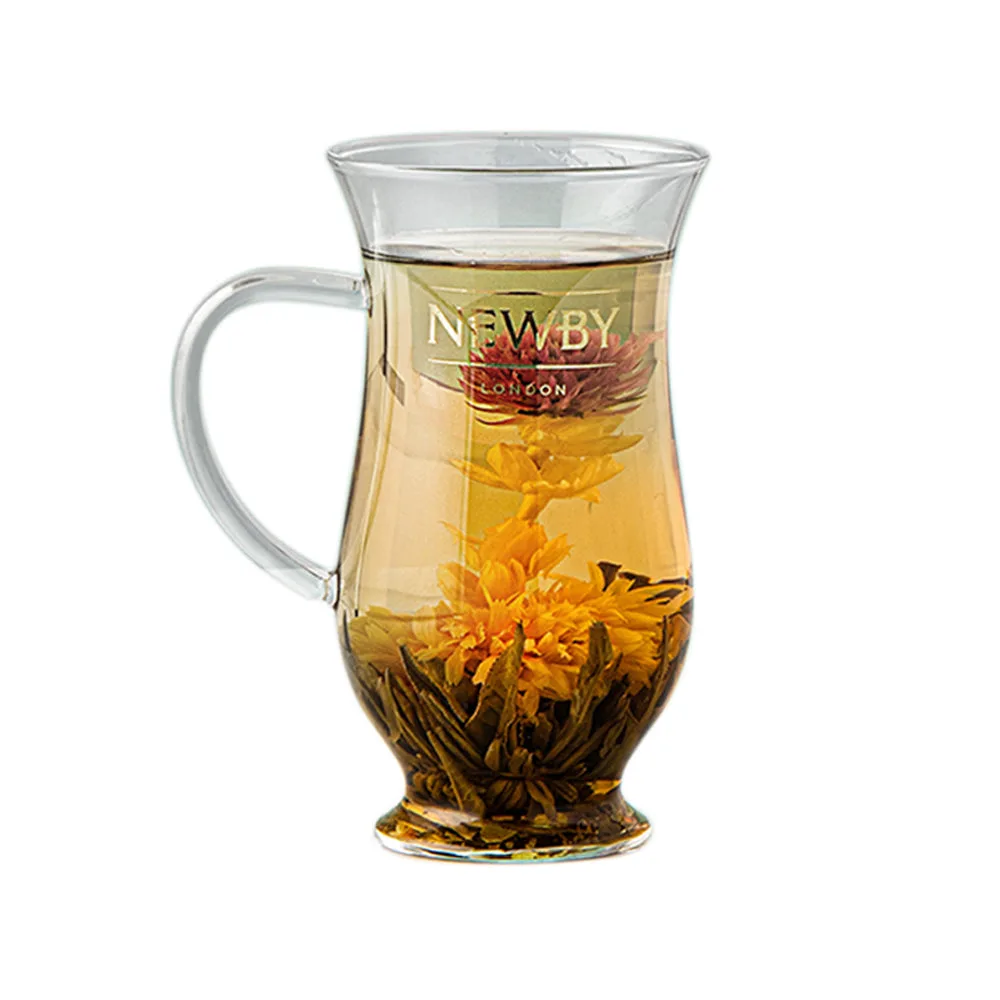
Honey Pomelo Flowering Tea
- Look for teas labeled organic or biodynamic—they often indicate higher soil management standards.
Water Conservation and Its Role in Tea Quality
Tea plants require consistent moisture, but how that water is managed can make or break quality. Sustainable farms use techniques like drip irrigation, rainwater harvesting, and shade trees to reduce water waste and prevent runoff. This ensures that tea bushes receive a steady, balanced supply of water, which prevents stress and allows leaves to develop their full aromatic potential.
In regions like Sri Lanka and India, water scarcity is a real challenge. Ethical tea producers invest in watershed management to protect local water sources, which in turn maintains the microclimate that gives high-grown Ceylon teas their bright, brisk character. When you choose teas from such farms, you’re not only getting a superior cup but also supporting responsible water stewardship.
- Rainwater harvesting and drip irrigation are common sustainable water practices in premium tea gardens.
Biodiversity: The Secret to Complex Tea Profiles
Monoculture tea plantations—where only tea is grown for miles—are vulnerable to pests and diseases, often requiring heavy chemical intervention. Sustainable farms, on the other hand, embrace biodiversity by planting shade trees, flowering shrubs, and companion crops. This creates a balanced ecosystem where natural predators control pests, and pollinators thrive.
The result? Tea leaves develop more intricate flavor compounds. For instance, the jasmine-scented notes in White Tiger Exquisite Jasmine are possible because the tea is grown near jasmine plantations, allowing the blossoms to infuse the leaves naturally. Biodiversity also helps preserve rare tea varieties and heirloom cultivars, which are prized for their unique taste profiles.
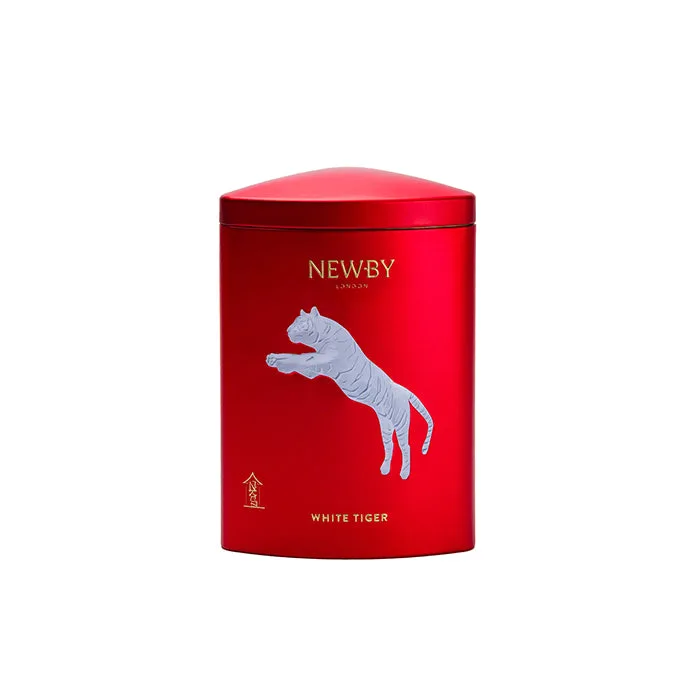
White Tiger Exquisite Jasmine
- Biodiverse farms often produce teas with more layered aromas and longer finish.
Ethical Labor and Its Impact on Tea Quality
Sustainable tea farming isn’t just about the environment—it’s about people. Ethical labor practices, including fair wages, safe conditions, and access to education, directly affect tea quality. Workers who are treated well take greater care in plucking only the finest leaves—typically the top two leaves and a bud—which is essential for premium teas.
When workers are rushed or underpaid, quality suffers. That’s why many top-tier tea brands partner with Rainforest Alliance or Fair Trade certified estates. These certifications ensure that every step of the supply chain, from plucking to processing, is done with care. The result is a tea that tastes as good as it feels to purchase—pure, flavorful, and guilt-free.
- Look for certifications like Fair Trade, Rainforest Alliance, or B Corp on your tea packaging.
How to Identify Sustainably Grown Teas
As a tea lover, you can support sustainable farming by choosing teas from transparent sources. Check for certifications, read about the brand’s sourcing practices, and look for details about the specific estate or region. Many premium tea companies now share the story behind their blends, including the farming methods used.
For example, a tea like Highland Green - 25 Tea Bags, if sourced from a sustainable estate, will often mention its organic or biodynamic origins. Similarly, loose-leaf teas like Gyokuro Loose Leaf Pouch 250g are frequently grown using traditional, eco-friendly methods in Japan. By making informed choices, you can enjoy exceptional flavor while contributing to a healthier planet.
- Tips: Look for single-estate teas, organic labels, and brands that publish sustainability reports.
Sustainable tea farming is more than an ethical choice—it’s a direct investment in quality. From richer flavor profiles to cleaner aromas and a clear conscience, every cup of sustainably grown tea tells a story of care for the land and its people. Explore our collection of ethically sourced teas, such as the exquisite White Tiger Exquisite Jasmine, and taste the difference that sustainability makes.