Every kitchen has that one cleaning tool we grab without thinking. For decades, the synthetic sponge has been the default, but it hides a dirty secret: most sponges are made from plastic and end up in landfills after just a few weeks of use. As more people embrace zero waste living, the Swedish dishcloth has emerged as a popular alternative. But is it really better? Let's break down the differences between Swedish dishcloths and traditional sponges to help you decide which is the best fit for your kitchen and the planet.
In this comparison, we'll look at materials, durability, hygiene, cost, and environmental impact. We'll also touch on how these tools fit into a broader sustainable kitchen routine, including other reusable essentials that can replace single-use paper towels and plastic scrubbers.
What Is a Swedish Dishcloth?
A Swedish dishcloth is a thin, flexible pad made from a blend of cellulose (wood pulp) and cotton. It's highly absorbent, holding up to 15 times its weight in water, and dries quickly, which helps prevent bacteria growth. These cloths are designed to replace both sponges and paper towels, handling spills, wiping counters, and scrubbing dishes with ease.
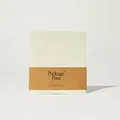
Unlike sponges, Swedish dishcloths are biodegradable and compostable at the end of their life. They can be washed in the washing machine or dishwasher and reused for months, making them a standout choice for eco-conscious households. Many brands, like the https://packagefreeypn.com/products/package-free-sustainable-package-free-reusable-swedish-dishcloth-306363Package Free Sustainable Package Free Reusable Swedish Dishcloth, offer durable options that are both functional and stylish.
- Made from natural cellulose and cotton, fully compostable
- Absorbs up to 15x its weight, ideal for spills and drying
- Dries quickly, reducing odor-causing bacteria
- Can be washed and reused for 6-9 months
The Problem with Traditional Sponges
Traditional kitchen sponges are typically made from polyurethane plastic, which is derived from petroleum. They are not biodegradable and can take hundreds of years to break down in a landfill. The average household goes through dozens of sponges each year, contributing to a massive amount of plastic waste that never truly disappears.
Beyond the environmental toll, sponges are notorious for harboring bacteria. Their dense, slow-drying structure creates a perfect breeding ground for germs, often leading to unpleasant odors and potential health risks. While you can microwave or boil sponges to sanitize them, they still degrade quickly and need frequent replacement.
- Made from petroleum-based plastic, non-biodegradable
- Slow-drying, prone to bacterial growth and odors
- Lasts only 2-4 weeks before needing replacement
- Contributes to the millions of pounds of sponge waste each year
Head-to-Head: Durability and Cleaning Power
When it comes to scrubbing power, sponges often have the edge for tough, stuck-on food because of their abrasive scouring pads. However, Swedish dishcloths can handle most everyday messes, especially when paired with a good eco-friendly dish soap. For heavy-duty scrubbing, you can always use a separate scrub brush, which is more durable than both.
In terms of longevity, Swedish dishcloths win hands down. A high-quality cloth can last up to 9 months with proper care, while a typical sponge lasts only 2-4 weeks. That means over a year, you'd need about 12 sponges but only 1-2 Swedish dishcloths. This not only saves money but also reduces waste significantly.
- Sponges: better for heavy scrubbing, but short lifespan
- Swedish dishcloths: versatile, durable, and long-lasting
- Combine with a scrub brush for toughest jobs
Hygiene: Which Stays Cleaner Longer?
Hygiene is a major factor in choosing a cleaning tool. Sponges, with their dense and slow-drying material, are a haven for bacteria like E. coli and Salmonella. Studies have shown that sponges can harbor millions of bacteria per cubic centimeter, even after cleaning. To keep them safe, you need to sanitize them regularly, which uses extra energy and water.
Swedish dishcloths dry much faster, typically within a few hours, which starves bacteria of the moisture they need to thrive. You can also toss them in the washing machine or dishwasher to sanitize them easily. This makes them a more hygienic choice for daily kitchen cleaning, especially for families concerned about food safety.
Environmental Impact: From Cradle to Grave
The environmental impact of your choice extends beyond the landfill. Sponges are made from non-renewable petroleum, and their production contributes to greenhouse gas emissions. Once discarded, they persist in the environment, breaking down into microplastics that pollute waterways and harm marine life.
Swedish dishcloths, on the other hand, are made from renewable plant-based materials. They are fully compostable, so at the end of their life, you can cut them into strips and add them to your compost bin. This closed-loop lifecycle makes them a clear winner for anyone aiming to reduce their carbon footprint and plastic pollution.
Cost Comparison: Upfront vs. Long-Term Savings
At first glance, sponges seem cheaper—you can buy a pack of three for a couple of dollars. However, because they need replacing every few weeks, the annual cost adds up. Swedish dishcloths have a higher upfront price, but their extended lifespan makes them more economical in the long run.
For example, a pack of Swedish dishcloths might cost around $10 and last you 6-9 months, while you might spend $12 or more on sponges in the same period. Plus, you'll save on paper towels since Swedish dishcloths can replace them for most spills and cleaning tasks. This makes them a smart investment for your wallet and the planet.
How to Make the Switch to a Zero Waste Kitchen
Transitioning from sponges to Swedish dishcloths is a simple step toward a more sustainable kitchen. Start by using a Swedish dishcloth for everyday wiping and cleaning, and reserve a scrub brush for tough jobs. You'll find that you no longer need paper towels for most spills, reducing your household waste significantly.
To maximize the benefits, pair your Swedish dishcloth with other reusable kitchen tools. For instance, the Package Free Sustainable Stainless Steel Funnel is perfect for transferring liquids without plastic waste, and the Stasher Reusable Silicone Snack Bag can replace single-use plastic bags for food storage. These small changes collectively make a big difference.
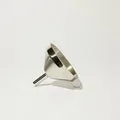
Package Free Sustainable Stainless Steel Funnel
- Use Swedish dishcloths for counters, spills, and dishes
- Keep a scrub brush for heavy-duty cleaning
- Compost your cloth at the end of its life
- Explore other reusable kitchen essentials
When you weigh durability, hygiene, cost, and environmental impact, the Swedish dishcloth clearly outshines the traditional sponge. It's a simple swap that reduces plastic waste, saves money, and keeps your kitchen cleaner. Ready to make the change? Start with the Package Free Sustainable Package Free Reusable Swedish Dishcloth and see how easy sustainable cleaning can be.