Why a Swedish Dishcloth Makes Sense for a Wine Spill
A wine spill is a race against absorption. Paper towels can spread the liquid or leave lint behind, and a thin rag often pushes wine deeper into the surface before it lifts anything. A Swedish dishcloth is built for the opposite job: it takes in liquid quickly and holds it.
The SWEDEdishcloths cloth is made from wood pulp cellulose and cotton fibers, and each cloth can absorb up to 20 times its own weight in liquid. That capacity is the practical reason it works on a wine spill: the cloth has somewhere to put the wine instead of just moving it around.
The Absorbency Behind the Spill Test
-
How I Tell time Wine ONE each Swedish Dishcloth | ECO Friendly Absorbent Cleaning Cloth | Reusable Cleaning Wipes: Each cloth can absorb 20 times its own weight in liquid. A wine spill needs a cloth that holds liquid rather than smearing it, and this capacity is the core reason a Swedish dishcloth is worth reaching for.
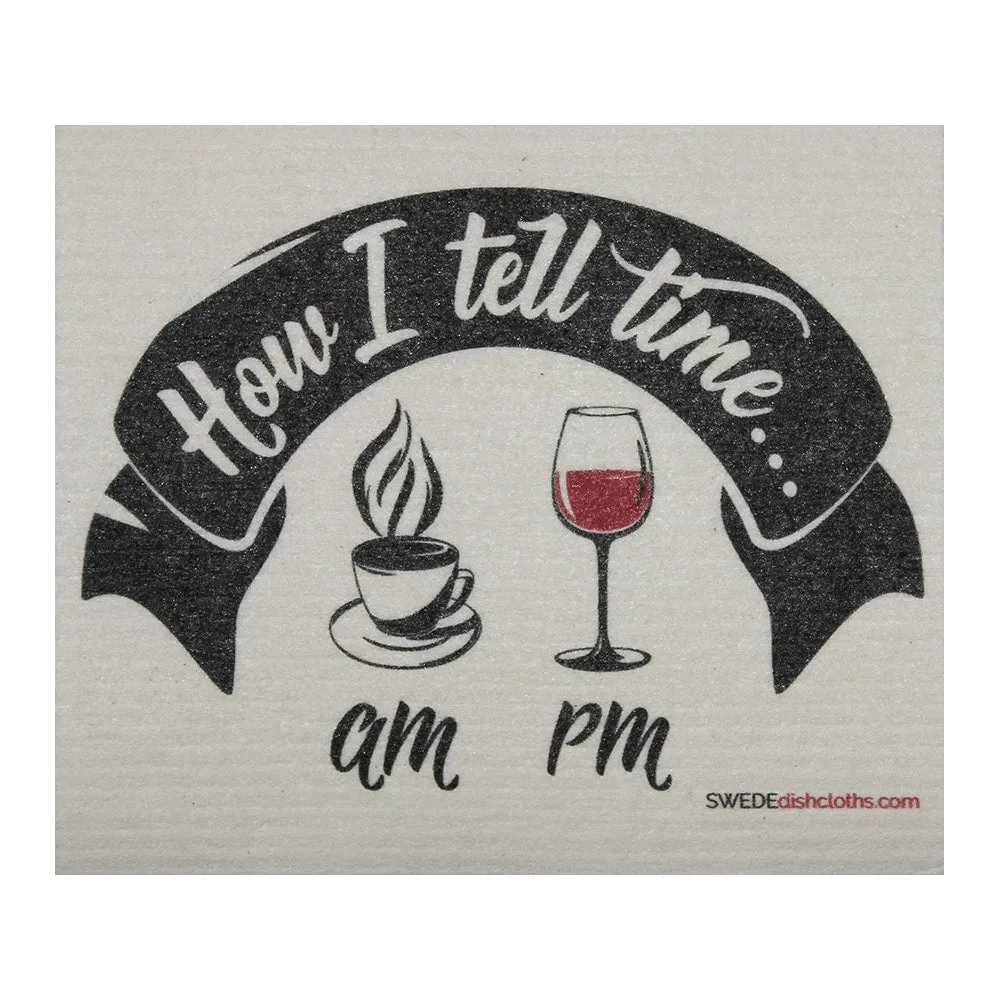
How I Tell time Wine ONE each Swedish Dishcloth | ECO Friendly Absorbent Cleaning Cloth | Reusable Cleaning Wipes
-
How I Tell time Wine ONE each Swedish Dishcloth | ECO Friendly Absorbent Cleaning Cloth | Reusable Cleaning Wipes: The cloth is made from all-natural wood pulp cellulose sourced from sustainable forests and naturally renewable cotton fibers. These materials explain the cloth's absorbent, reusable character without relying on a disposable paper product.
-
How I Tell time Wine ONE each Swedish Dishcloth | ECO Friendly Absorbent Cleaning Cloth | Reusable Cleaning Wipes: Each cloth measures 180x200mm. That size gives you a manageable surface for blotting a glass-sized spill without unfolding a huge towel.
How to Blot a Wine Spill With a Swedish Dishcloth
The goal is to lift wine, not rub it in. Work from the outside of the spill toward the center so you do not push wine into a wider area.
- Press, don't scrub: Lay the dry or barely damp cloth over the spill and press down with your palm. Scrubbing can drive wine into fibers or a porous surface.
- Give the cloth a moment: The cloth absorbs up to 20 times its weight in liquid, so let it sit for a few seconds before lifting. A quick swipe often moves wine instead of removing it.
- Lift and check: Peel the cloth back from one corner. If wine remains, use a clean section of the cloth and blot again rather than reusing the saturated spot.
- Rinse before the wine sets: Run the cloth under water and wring it out. The product record says the cloths are machine washable, so a rinse now makes the later wash easier.
Swedish Dishcloth vs. Paper Towels for Wine Spills
Paper towels are convenient, but a wine spill exposes their limits: they can shred, leave lint, and run out fast. Here is the practical trade-off.
- Absorbency: A Swedish dishcloth holds up to 20 times its own weight in liquid. Paper towels vary by sheet, and a thin sheet saturates quickly on a wine spill.
- Reusability: The SWEDEdishcloths cloth can be washed in the clothes or dishwasher up to 200 times, according to the product record. Paper towels are single-use.
- Waste: The product record notes that 17 paper towel rolls generate about ten pounds of waste. A reusable cloth avoids that repeated disposal for everyday spills.
- Care after wine: A wine-stained cloth needs rinsing and washing. Paper towels go straight in the trash, which is simpler but not reusable.
What to Expect After the Spill
A Swedish dishcloth is a strong first responder for wine on a counter, table, or floor, but it is not a stain-removal treatment for every surface. The cloth lifts liquid; whether a stain remains depends on the surface and how long the wine sat.
For the cloth itself, rinse promptly and wash it as the product record allows: in the clothes or dishwasher, up to 200 times. The record also states the cloths are easily compostable and can be recycled with old newspapers when worn out. Those end-of-life options are part of the appeal, but they do not replace prompt rinsing after a red wine spill.
The Cloth in This Guide
- How I Tell time Wine ONE each Swedish Dishcloth | ECO Friendly Absorbent Cleaning Cloth | Reusable Cleaning Wipes: The SWEDEdishcloths cloth is reusable and machine washable, and the product record says it can be washed in the clothes or dishwasher up to 200 times. A wine spill cloth that can be washed and reused is a practical alternative to reaching for a new paper towel every time.
- How I Tell time Wine ONE each Swedish Dishcloth | ECO Friendly Absorbent Cleaning Cloth | Reusable Cleaning Wipes: The product record states one cloth can replace up to 17 rolls of paper towels. That framing helps you judge whether a reusable cloth fits your usual spill and wipe routine.
- How I Tell time Wine ONE each Swedish Dishcloth | ECO Friendly Absorbent Cleaning Cloth | Reusable Cleaning Wipes: The cloths are printed with non-toxic, water-based ink. This is relevant if you are choosing a cloth for kitchen and dining cleanup where the printed design will contact surfaces.