Quick answer
Most goggle problems come down to three habits: rinse goggles in fresh water after every swim, never touch the inside of the lenses, and store them in a case away from heat and sun. For fog, treat the inner lens gently and let the factory anti-fog coating do its job. For leaks, adjust the strap and check the seal before you tighten anything. For scratches, replace the lenses once vision is affected.
How to Clean Swim Goggles Without Ruining the Coating
Rinse your goggles in cool fresh water immediately after every swim. This removes chlorine, salt, and sunscreen before they dry on the lens and frame. If you swim in a pool, a quick rinse is usually enough. For open water, pay extra attention to the strap and seal where sand and salt can collect.
For a deeper clean, use a drop of mild hand soap and lukewarm water. Rub the frame and strap gently with your fingers, then rinse thoroughly. Never use alcohol, vinegar, or abrasive cleaners on the lenses. These strip the anti-fog coating and can cloud the plastic.
Dry your goggles with a soft, clean cloth or let them air dry away from direct sun. Do not wipe the inside of the lenses with a towel or your fingers. The inner surface is delicate, and touching it is the fastest way to destroy the anti-fog layer.
Stop Goggles Leaking: Seal, Strap, and Fit Checks
Leaks usually start at the seal, not the strap. Before you tighten anything, press the goggles gently against your face without the strap. If they stay put for a second or two, the seal is working. If they slide or gap, the fit is wrong, not the tightness.
The strap should sit level around the back of your head, not up near the crown. Over-tightening flattens the seal and actually creates leaks. If your goggles have interchangeable nose pieces, try a different size before you assume the goggles are defective.
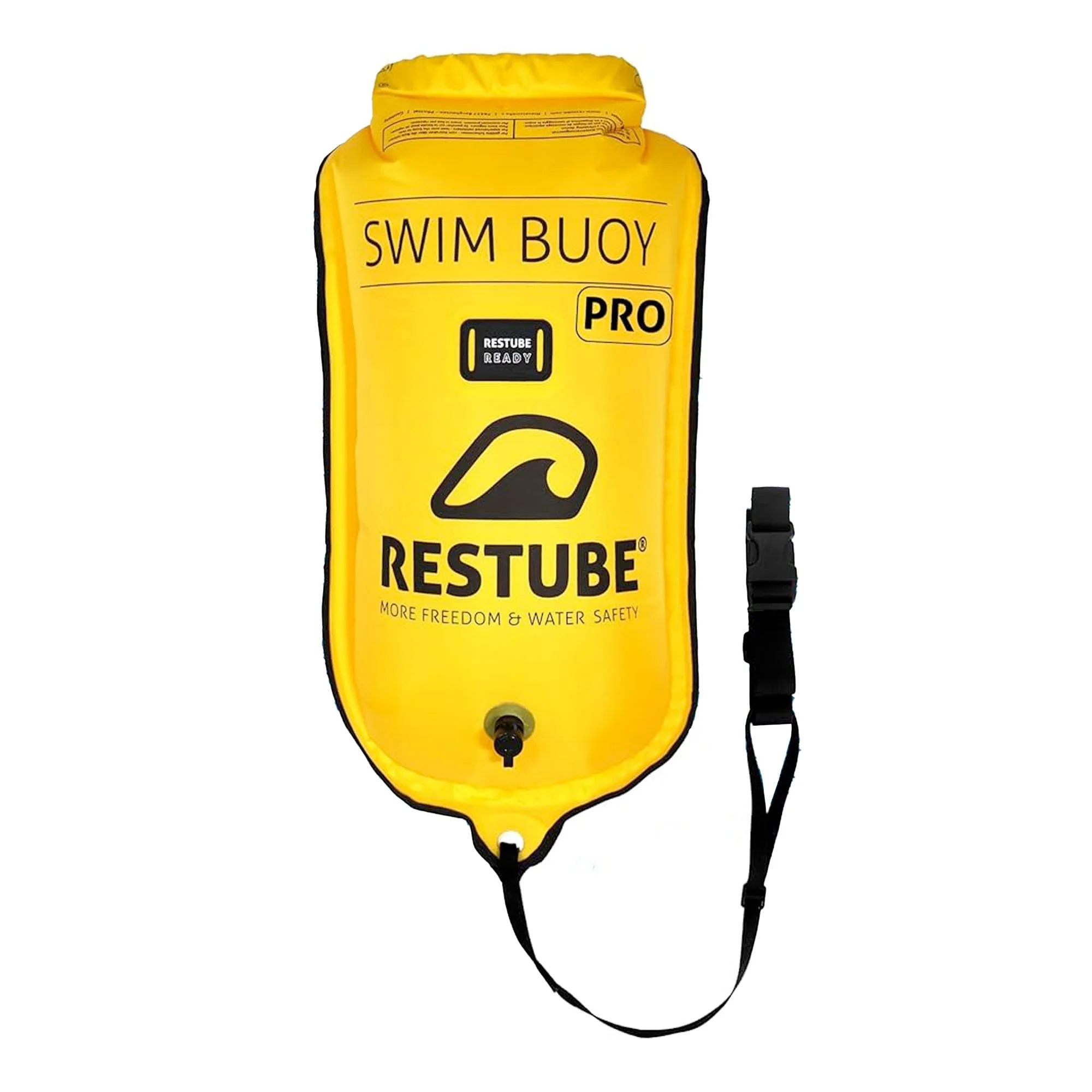
For open-water swimmers, a swim buoy like the Restube Swim Buoy Pro adds visibility and buoyancy, but it does not replace a proper goggle fit. If you still get leaks after adjusting the seal and strap, the frame shape may not match your face. At that point, try a different model rather than fighting the same pair.
Fog Fix: What Works and What Doesn't
Fog happens when warm, moist air from your face meets the cooler inner lens. Most goggles come with a factory anti-fog coating that works until it is wiped away. The single best fog fix is to stop touching the inside of the lenses.
If fog persists, you can use a dedicated anti-fog spray or a tiny drop of baby shampoo, rubbed in and rinsed lightly. Avoid spit if you can; it works briefly but leaves residue that shortens coating life. Never use a cloth to wipe the inside while the goggles are wet.
Some fogging is normal when you first enter the water or when you stop moving. If the lenses clear once you start swimming, your goggles are fine. If fog stays thick enough to blur your vision, the coating is likely worn out and it is time for a new pair.
Prevent Goggle Lens Scratches
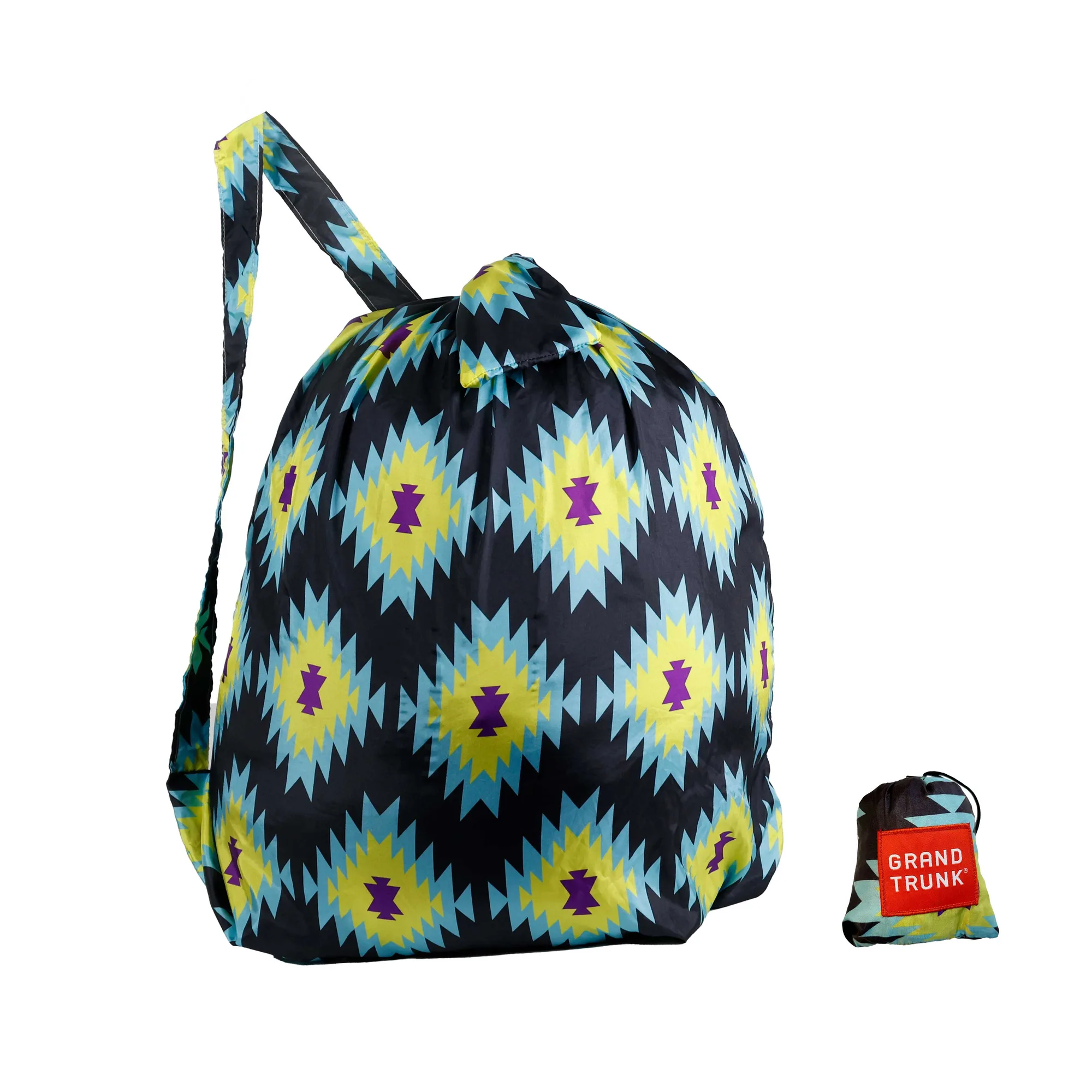
Scratches come from storage, not swimming. Sand, keys, and the bottom of a bag are the usual culprits. Keep your goggles in a protective case or a soft pouch when they are not on your face. If you use a travel bag like the Bindle - Travel Laundry & Storage Bag, keep goggles in their own small pouch inside it so they do not rub against other gear.
Rinse sand off with water before you wipe anything. Wiping sandy goggles grinds grit into the lens. When you set goggles down at the pool or beach, place them lens-up on a clean towel, never face-down on concrete or sand.
Inspect lenses regularly. Small scratches are mostly cosmetic, but once they scatter light or create blind spots, replace the goggles. A scratched lens cannot be polished back to clarity at home.
Goggle Strap Care and Storage Tips
The strap is the first part to wear out. Rinse it after every swim to remove chlorine and sunscreen, which degrade rubber and silicone over time. Check for cracks, stiffness, or lost elasticity. A stretched strap will not hold tension, which leads to leaks.
Store goggles loosely coiled, not stretched around a water bottle or bag handle. Heat is the enemy: do not leave them on a car dashboard or in direct sun for long periods. If your goggles come with a case, use it. If not, a soft cloth bag works.
Replace the strap if it is cracked or permanently stretched. On some models you can buy a replacement strap; on others, the strap is integrated and a new pair is the better choice. Do not try to repair a torn strap with tape or glue, as it will fail mid-swim.
Goggle Problem Diagnosis
- Fogging that will not clear: The anti-fog coating is worn or has been wiped away. Rinse with fresh water, avoid touching the inside, and use a dedicated anti-fog spray if needed. If fog still blocks your vision after a gentle clean and anti-fog treatment, replace the goggles.
- Leaks around the eyes: The seal is broken by over-tightening, a poor fit, or a worn gasket. Loosen the strap, reseat the goggles, and check the seal without the strap. If leaks continue after adjusting fit and strap, try a different goggle shape or model.
- Scratched or cloudy lenses: Scratches scatter light and cannot be repaired at home. Rinse sand off before wiping, store in a case, and replace lenses once vision is affected. If you cannot see clearly through the lens, it is time for a new pair.
- Strap that slips or snaps: Chlorine, sunscreen, and heat degrade rubber and silicone. Rinse after every swim and store loosely coiled away from sun. If the strap is cracked or permanently stretched, replace it or the goggles.
Products that support good goggle care
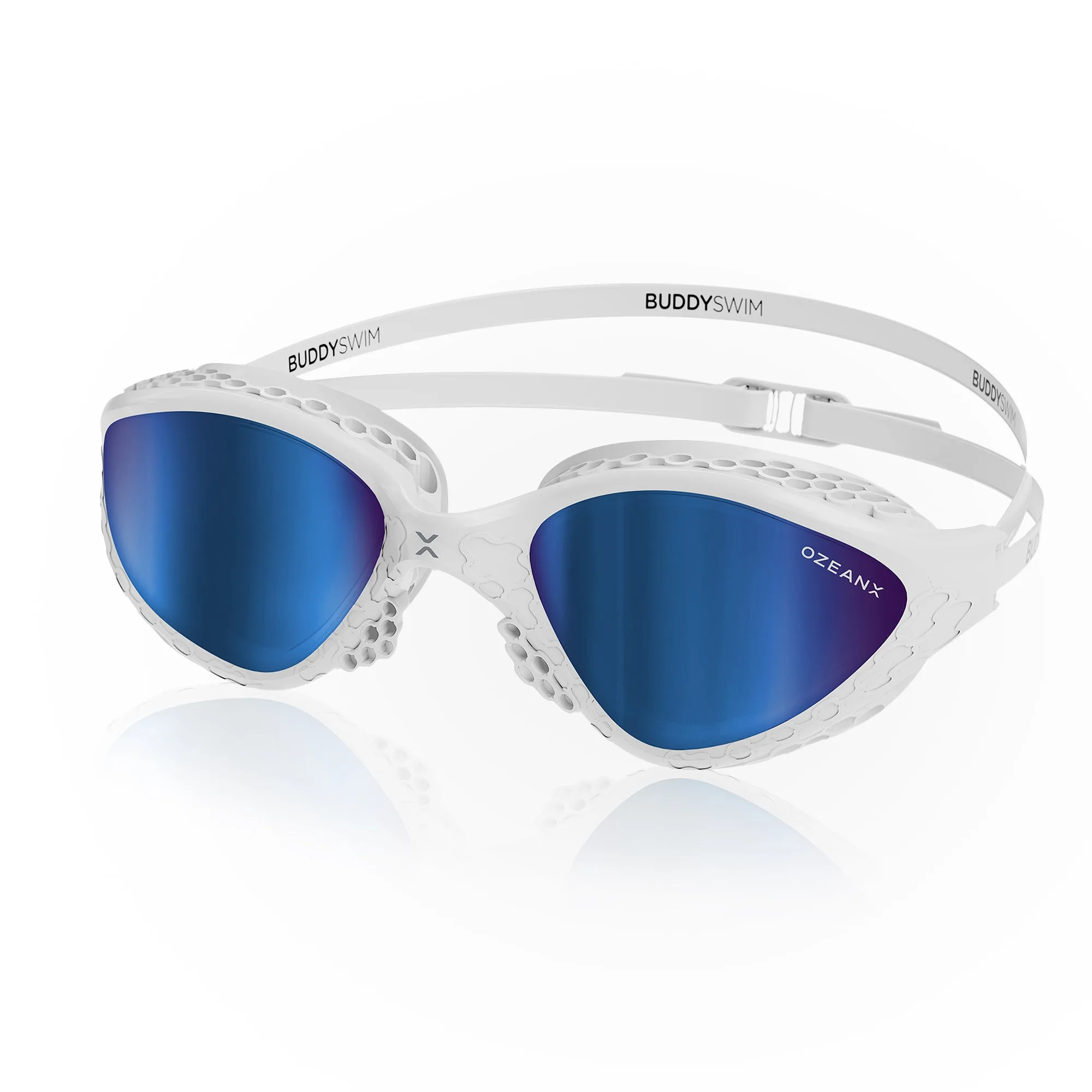
- Buddyswim OzeanX Swim Googles: Patented Honeycomb Cushion Fit (HCF) technology naturally molds to the contours of your face, creating a comfortable seal. A seal that molds to your face reduces the need to over-tighten the strap, which helps prevent leaks and extends strap life.
- Bindle - Travel Laundry & Storage Bag: The Grand Trunk Bindle packs down small and expands to hold a surprising amount of clothes, shoes, or whatever else. Use it to keep goggles separate from other gear in your bag, reducing scratches and accidental damage during travel.
- Restube Swim Buoy Pro: The Restube Swim Buoy Pro is designed for visibility and added buoyancy while you swim, and doubles as a dry bag for water sports adventures. For open-water swimmers, it adds a safety layer, but goggle care still depends on rinsing, storage, and avoiding lens contact.