When you think about hydration during exercise, swimming might not be the first activity that comes to mind. After all, you're surrounded by water, so how could you possibly get dehydrated? The truth is, swimming is one of the most deceptive workouts when it comes to fluid loss. Whether you're doing laps in a heated indoor pool or training in open water, your body sweats just as much—if not more—than during land-based exercise. And because you can't easily grab a water bottle mid-lap, many swimmers finish their sessions already dehydrated.
Electrolytes are the key to proper swimming hydration. They help regulate fluid balance, muscle contractions, and nerve signals—all of which are critical when you're pushing through a tough swim workout. In this guide, we'll walk you through exactly how to use electrolyte supplements before, during, and after your swim sessions to maximize performance and speed up recovery.
Why Swimmers Need Electrolytes More Than They Think
Swimming is a full-body workout that engages nearly every muscle group. Even in a cool pool, your core temperature rises, and you lose fluids through sweat. The problem is that water alone doesn't replace the sodium, potassium, magnesium, and calcium you lose. Without these electrolytes, you may experience muscle cramps, fatigue, dizziness, or even a drop in performance. This is especially true for swimmers who train for longer than 45 minutes or in warm water environments.
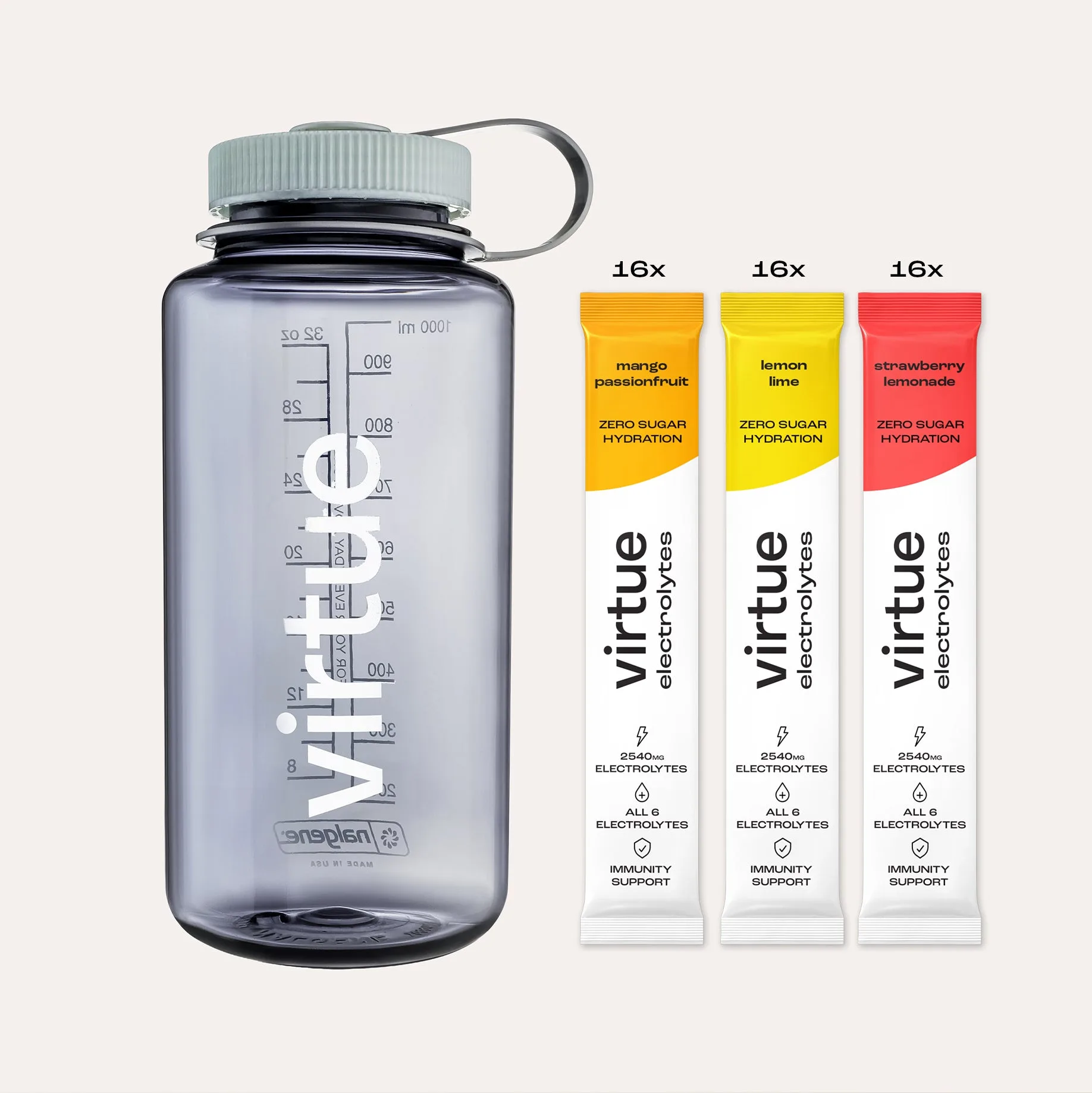
Many swimmers assume they don't need to hydrate during a swim because they're not thirsty. But thirst is a late indicator of dehydration. By the time you feel thirsty, you may already be down 1-2% of your body weight in fluid. That's enough to impair your coordination and endurance. Using a high-quality electrolyte supplement, such as Electrolytes - Lemon Lime (16 Pack), can help you maintain optimal hydration levels without the sugar and artificial ingredients found in many sports drinks.
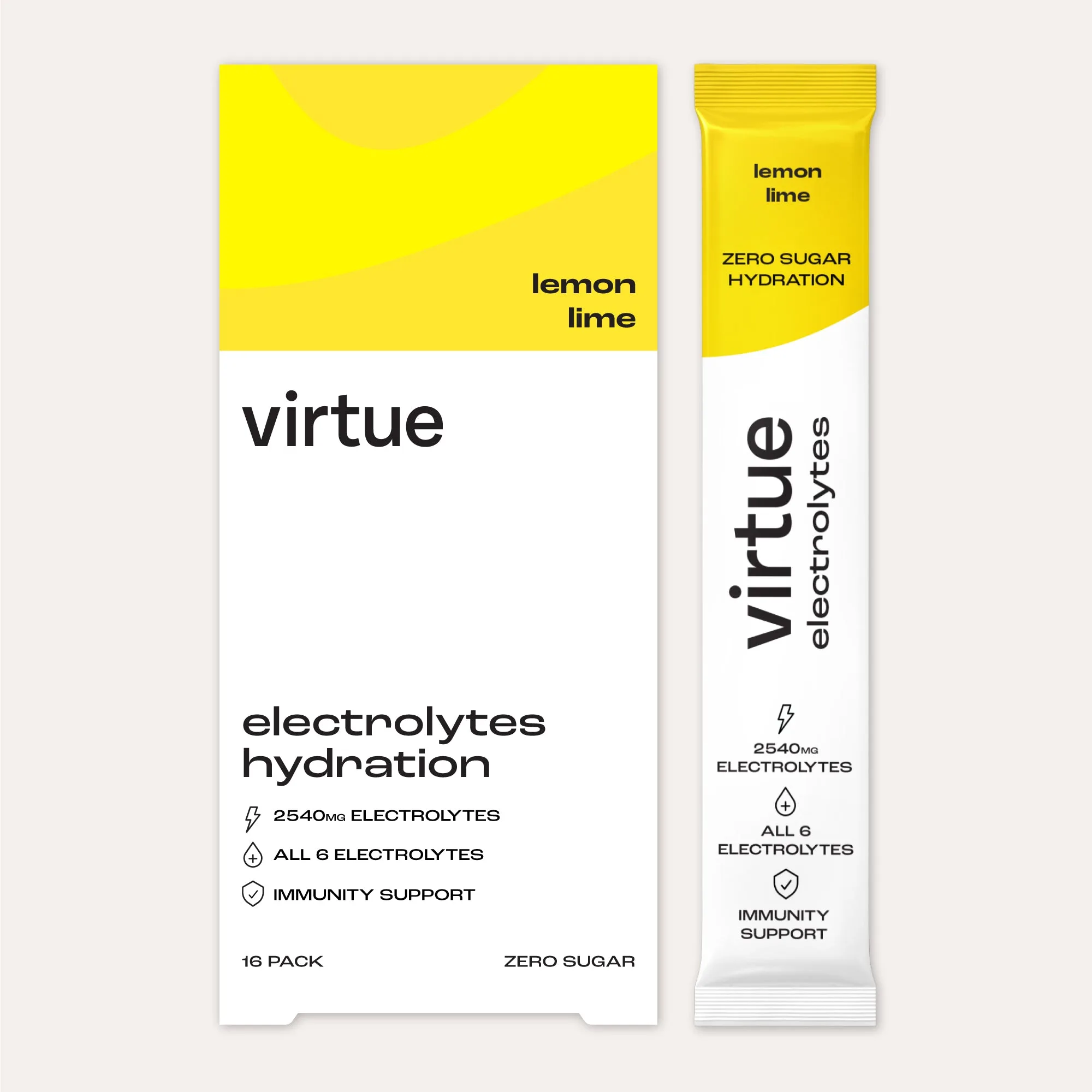
Electrolytes - Lemon Lime (16 Pack)
- Swim workouts can cause fluid loss of 1-2 liters per hour, even in cool water.
- Electrolytes support nerve signaling and muscle function, reducing the risk of cramps.
- Plain water may not be enough for longer or intense swim sessions.
Best Time to Take Electrolytes for Swimming
Timing your electrolyte intake can make a significant difference in how you feel during and after your swim. For a pre-swim boost, consider drinking an electrolyte solution 30-60 minutes before you hit the water. This ensures your body starts the workout well-hydrated and with adequate mineral stores. For a 30-minute lap session, this may be sufficient. But for an hour-long or high-intensity swim, you may need to hydrate mid-session.
During a swim workout, it's not always practical to stop and drink. However, if your pool allows a quick break every 15-20 minutes, sip a small amount of an electrolyte drink. After your swim, replenish lost fluids and minerals as soon as possible. A post-swim electrolyte drink can help restore balance and reduce muscle soreness. The Electrolytes - Pink Candy Floss (16 Pack) offers a fun, sweet flavor that makes post-workout hydration something to look forward to.
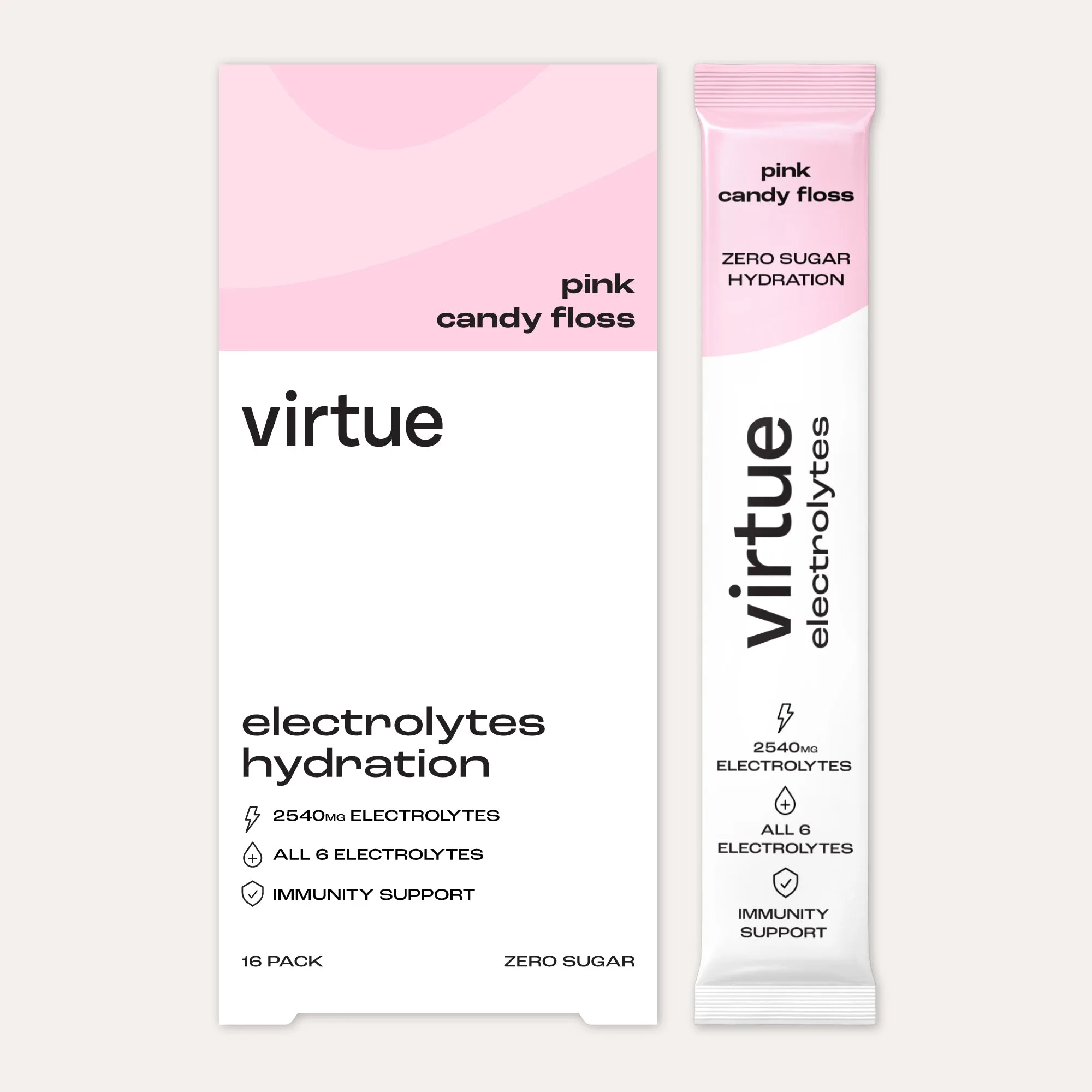
Electrolytes - Pink Candy Floss (16 Pack)
- Pre-swim: drink electrolytes 30-60 minutes before starting.
- During swim: take small sips every 15-20 minutes if possible.
- Post-swim: replenish within 30 minutes of finishing your workout.
How to Mix and Use Electrolyte Sachets for Swimming
Electrolyte sachets are incredibly convenient for swimmers. Each single-serving packet can be mixed with water in a bottle you keep at the poolside. Simply tear open the sachet, pour it into 500-750ml of water, shake or stir, and it's ready. Unlike tablets that take time to dissolve, sachets mix instantly, so you can prepare your drink in seconds. This is especially useful if you're training at a busy pool and need to hydrate quickly between sets.
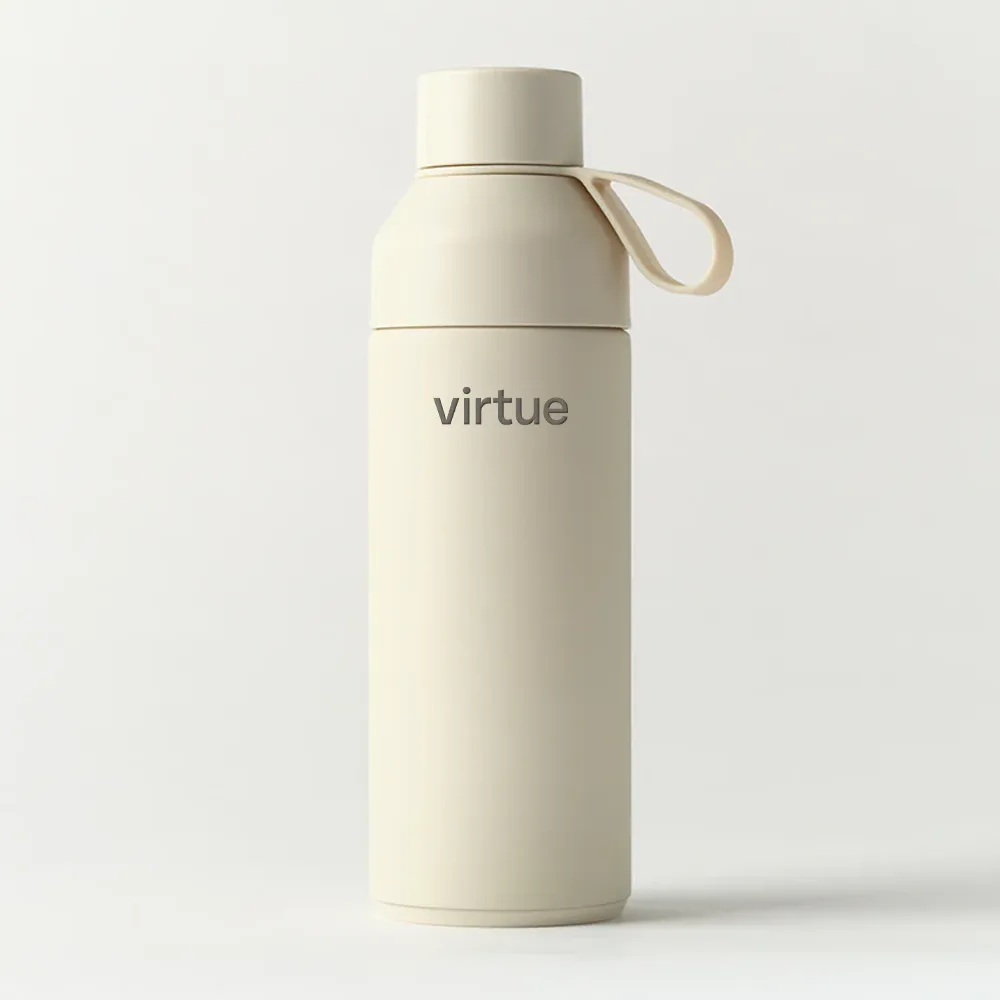
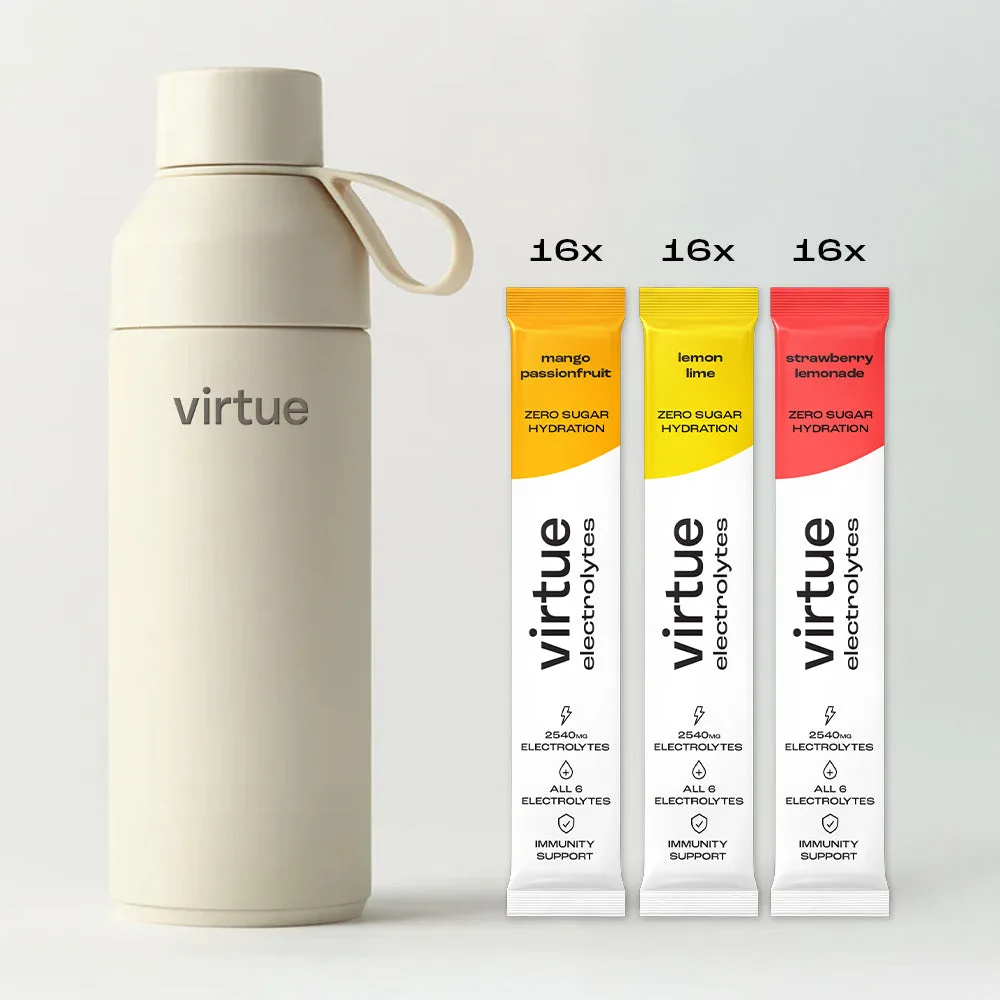
For swimmers who prefer variety, the Electrolytes - Variety Pack (12 Pack) offers multiple flavors so you never get bored. You can also pair your electrolyte drink with a reusable water bottle like the Virtue Nalgene Water Bottle 1L or the Virtue Ocean Bottle 500ml. These bottles are durable, BPA-free, and designed to keep your drink fresh. Having a dedicated bottle for your electrolyte mix also helps you track exactly how much fluid you're consuming during your swim session.
- Mix one sachet with 500-750ml of water for optimal concentration.
- Use a reusable bottle to reduce waste and track your intake.
- Try different flavors to keep your hydration routine enjoyable.
Post-Swim Recovery: Electrolytes and Sleep
Recovery after a swim workout is just as important as the training itself. Electrolytes help rehydrate your muscles and support glycogen replenishment. But recovery isn't just about what you drink immediately after—it's also about how well you rest. Many swimmers overlook the role of sleep in muscle repair and overall performance. Poor sleep can impair recovery and leave you feeling sluggish for your next session.
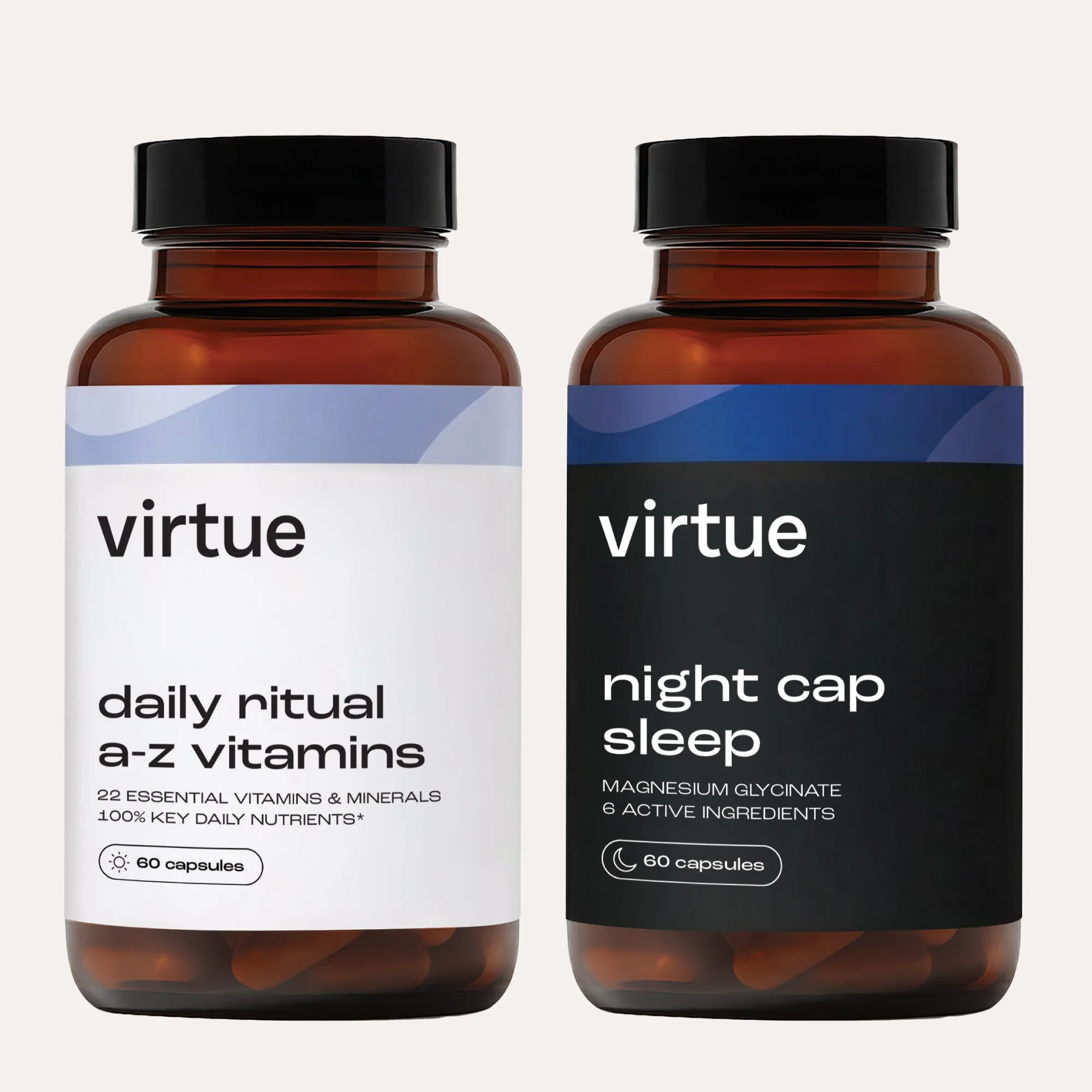
Combining electrolytes with a sleep aid can optimize your recovery cycle. For example, taking the Night Cap Sleep (60 Capsules) in the evening can help you fall asleep faster and improve sleep quality. When your body is well-rested, it can more effectively use the electrolytes you consumed post-swim to repair muscle tissue and restore energy levels. This dual approach—hydration plus rest—is a powerful strategy for any dedicated swimmer.
- Drink electrolytes within 30 minutes of finishing your swim.
- Prioritize 7-9 hours of quality sleep for optimal recovery.
- Consider a sleep supplement to enhance rest and muscle repair.
Common Mistakes Swimmers Make with Hydration
One of the biggest mistakes swimmers make is relying solely on water. While water is essential, it doesn't contain the electrolytes your body loses through sweat. Drinking too much plain water without electrolytes can actually dilute your blood sodium levels, leading to a condition called hyponatremia. This can cause nausea, headache, and in severe cases, confusion or seizures. Swimmers who train for long durations or in warm water are especially at risk.
Another common error is waiting until after the swim to hydrate. By then, you're already playing catch-up. It's far more effective to start hydrating before you even enter the water and to continue sipping throughout your workout. Finally, don't forget to account for the humidity of indoor pools. Even if the water feels cool, the air can be warm and humid, increasing sweat loss. A proactive hydration plan with electrolytes is your best defense.
- Don't rely on water alone—electrolytes are essential.
- Hydrate before, during, and after your swim, not just after.
- Be aware of indoor pool humidity, which increases sweat loss.
Swimming hydration doesn't have to be complicated. By incorporating electrolytes into your pre-swim, mid-swim, and post-swim routine, you can improve your performance, reduce cramping, and speed up recovery. Whether you prefer classic citrus or a sweet treat, there's an electrolyte option that fits your taste. Start your next swim session prepared with a quality electrolyte supplement and a reusable bottle, and feel the difference proper hydration makes. Explore the Electrolytes - Variety Pack (12 Pack) to find your favorite flavor and make every swim workout your best yet.