Quick answer
Switch one room at a time, starting with the cleaner you use most, and finish that room completely before buying anything for the next. Pair each new refill with a labeled bottle and a storage spot so the swap becomes automatic. Most people fail because they buy refills for every room at once, then lose track of which bottle holds which concentrate.
Why a room-by-room switch beats a whole-home overhaul
Replacing every cleaner on the same day creates a pile of half-used bottles and no clear system for what goes where. A room-by-room switch keeps your routine intact while you learn how each concentrate behaves. You also get a natural checkpoint: if a refill does not work for that room, you have not committed the whole house to it.
Start with the room you clean most often. That is usually the kitchen or the bathroom, and it is where you will notice the biggest drop in bottle waste fastest. Once that room runs smoothly for two or three refill cycles, move to the next.
Set up your refill station before you buy concentrates
Pick one shelf, cabinet, or tray as your refill station. Keep the concentrates there, not scattered under sinks, so you always know what you have. Label each spray bottle with the product name and the date you mixed it. If you use a concentrate that makes 500 ML of cleaner, mark the bottle at that level so you dilute consistently instead of guessing.
Keep one empty bottle per cleaner type rather than reusing a bottle that held something else. Residue from a previous product can react with a new concentrate and leave streaks.
Match the refill to the surface, not the room name
A bathroom cleaner is formulated to prevent limescale, which matters on glass, tile, and fixtures. A dish soap is formulated for dishes and hands. Using the wrong one because the bottle was closest is the most common reason people decide refills do not work. Read the label once, then store each bottle where it is used so the choice is automatic.
If a product does not list a specific surface as safe, do not assume it is. Test on a small hidden area first, especially on natural stone or sealed wood.
Handle scent and refill quantity as separate decisions
Scent is a preference, but it also affects how often you reach for a cleaner. If you dislike a scent, you will avoid the bottle and the swap stalls. Choose one scent per room and stick with it for a full refill cycle before changing. Refill quantity is a logistics decision: a year's supply of 12 refills reduces how often you reorder, but only if you have space to store it. If storage is tight, buy smaller quantities and accept more frequent orders.
Your switch-to-refillable-cleaners steps
- Step 1: Audit one room and list every cleaner you actually use: Open the cabinet under the sink and write down each product, what surface it touches, and how often you reach for it. Do not include products you have not used in three months. Checkpoint: if your list has more than four items for one room, you are probably doubling up on products that do the same job.
- Step 2: Replace the most-used cleaner first: Buy a refill for the product you use daily, not the one that looks worst on the shelf. For most homes that is a bathroom or kitchen cleaner. Use it for two full refill cycles before adding anything else. Mistake to avoid: buying a starter set for every room at once and then losing track of which concentrate is in which bottle.
- Step 3: Set up a labeled bottle and a fixed storage spot: One bottle per cleaner, labeled with the product name and mix date, stored where it is used. If a concentrate makes 500 ML of cleaner, mark that level on the bottle so you dilute the same way every time. Checkpoint: if you have to read the concentrate label every time you clean, your storage spot is wrong.
- Step 4: Add the next room only after the first runs smoothly: Move to the kitchen or bathroom you did not start with, then to lower-frequency areas like sports equipment or outdoor gear. Each room gets its own bottle and its own storage spot. Mistake to avoid: switching a room you clean once a month before you have stabilized a room you clean daily.
- Step 5: Decide on refill quantity based on storage, not price per unit: A year's supply of 12 refills only saves you money if you have a dry, accessible place to keep it. If you do not, order smaller quantities and accept more frequent deliveries. Checkpoint: if you cannot reach the refill without moving something else, you will stop using it.
- Step 6: Review after one month and drop what you did not use: Look at which refills are emptying and which are still full. A refill that has not moved in a month was the wrong choice for that room, not a failure of the system. Next step: replace the unused refill with a different scent or a different product for that surface, then run another month.
Refills that fit a room-by-room switch
- The Bathroom Cleaner Refill: Designed to prevent limescale, the Bathroom Cleaner prevents damage and extends the life of your bathroom surfaces. If limescale is your main bathroom problem, this is the refill to start with because it addresses the cause rather than just wiping the surface.
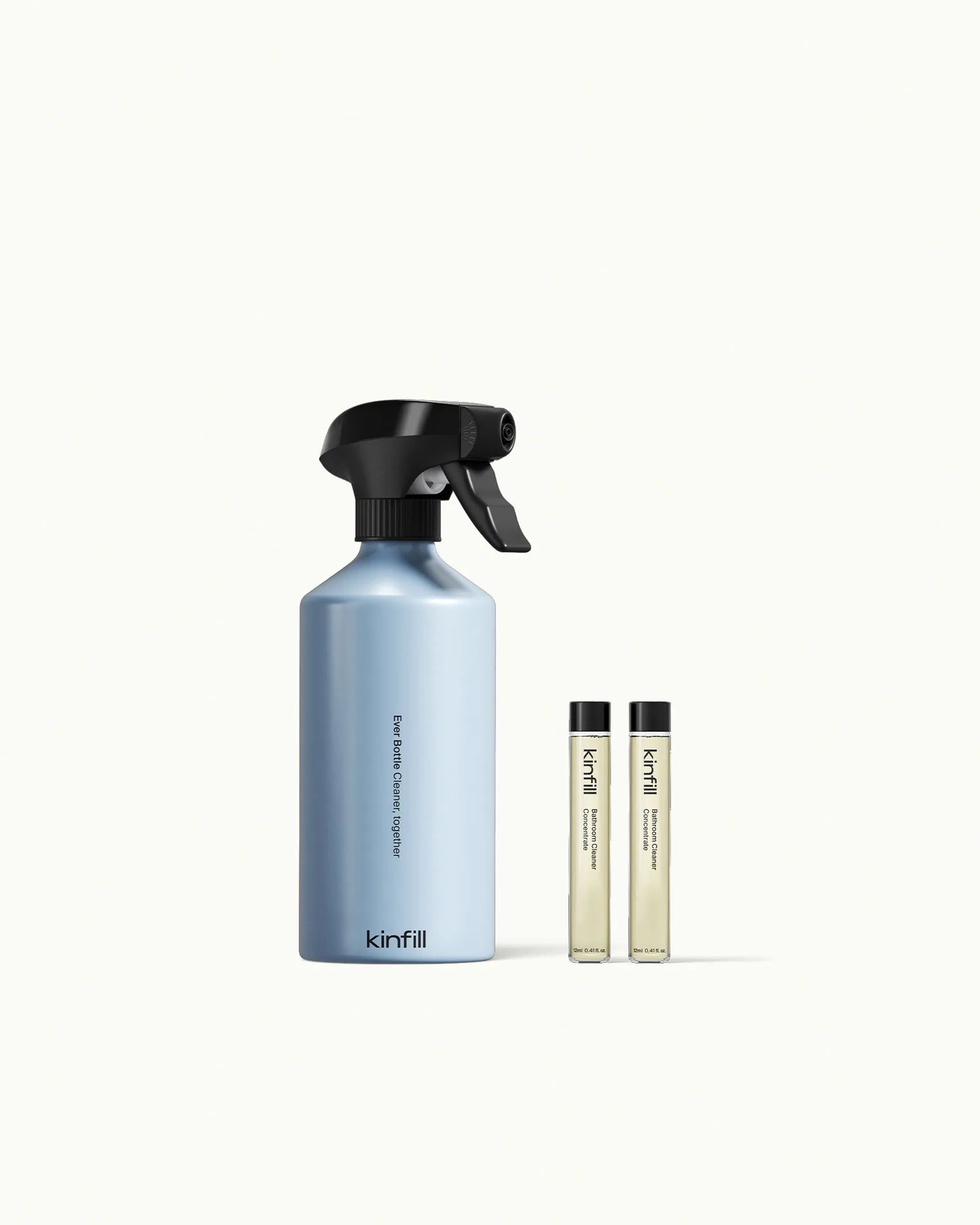
the Bathroom Cleaner
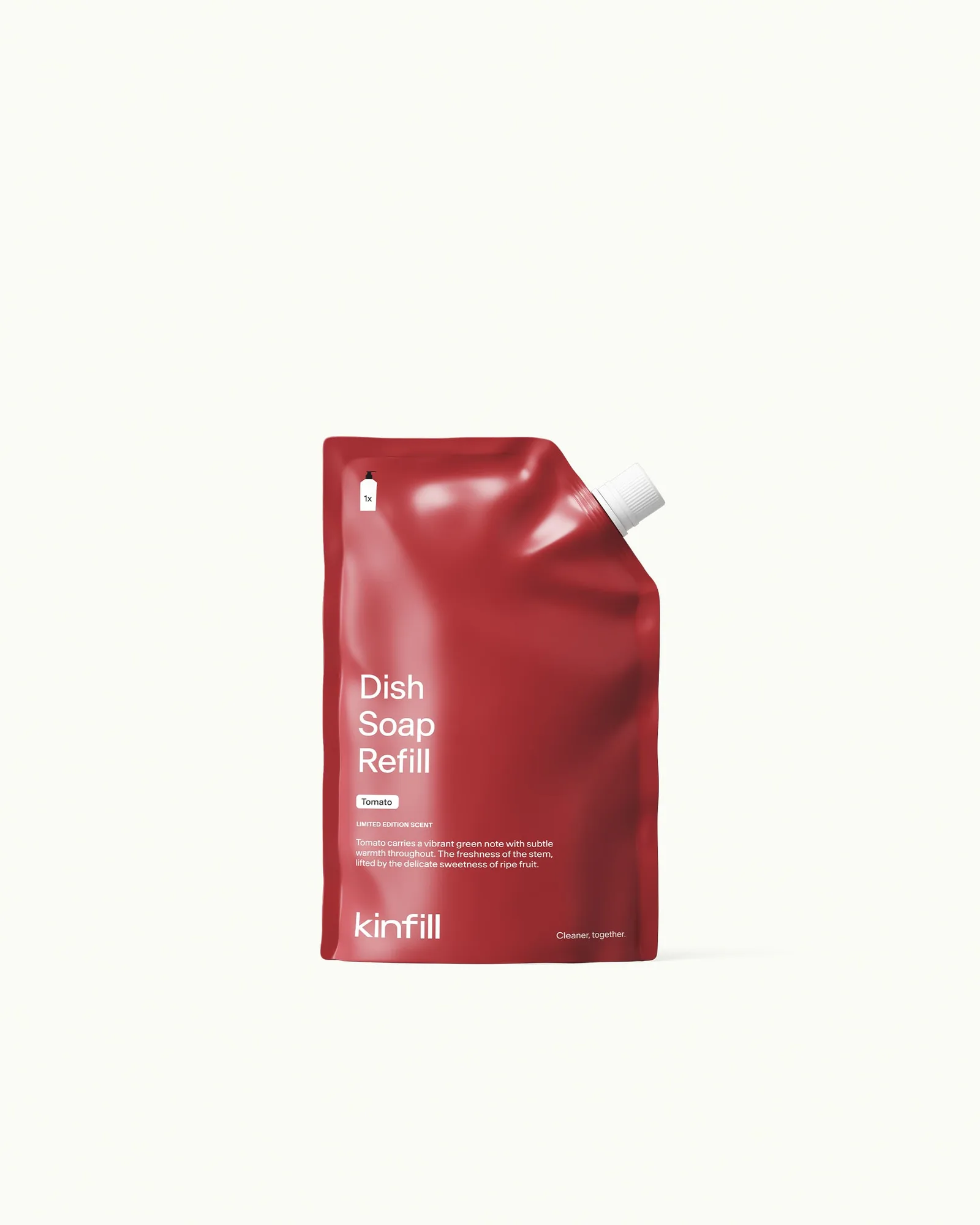
- The Dish Soap Refill: Certified with the EU Ecolabel, our Dish Soap effectively cleans dishes while being gentle on your hands and the environment. A kitchen swap is easier when the dish soap is gentle enough for daily hand contact, so you are not juggling separate gloves or a second product.
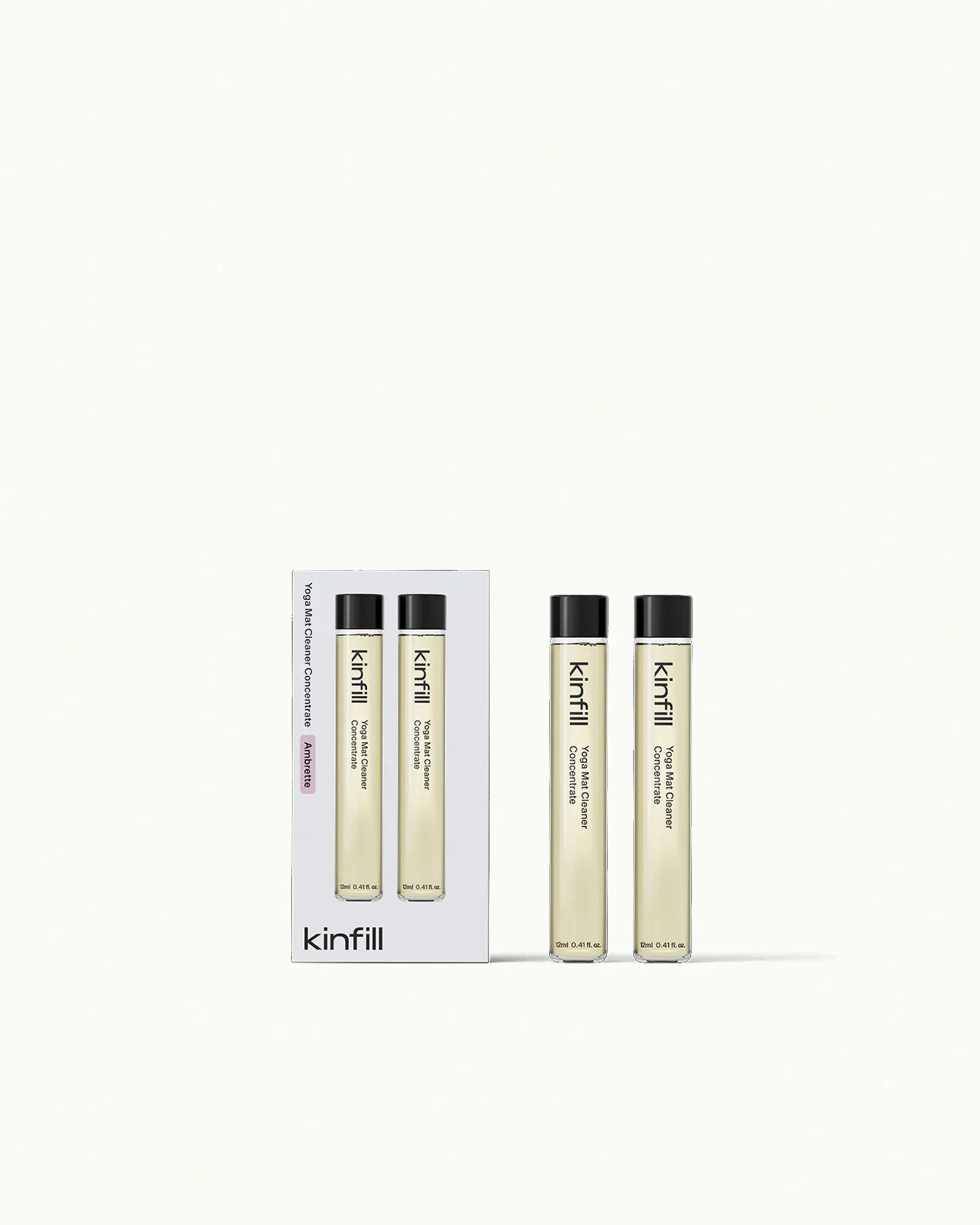
- The Yoga Mat Cleaner Refill: Infused with clean, safe ingredients, our Yoga Mat Cleaner keeps your mat, and other sports equipment refreshed and pleasantly fragrant after each practice. This is the refill to add once the main rooms are done, because it covers sports equipment and gym gear that most cleaning routines ignore.